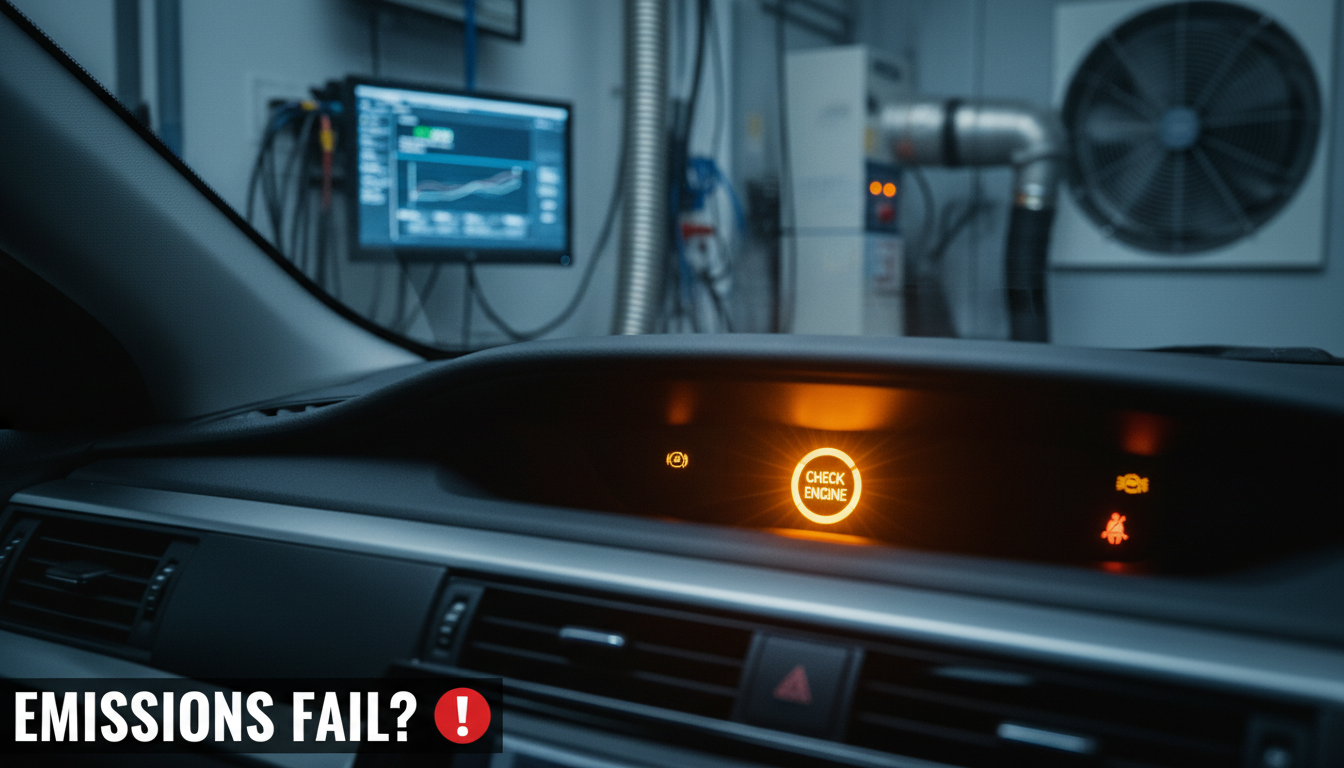

What Your Dashboard Warning Lights Really Mean (AKA: Your Car Is Texting You in Emojis)
Nothing spikes your heart rate like a brand new mystery light popping on while you’re just trying to get home with your groceries and your dignity intact.
I’ve been there. I once had a “check engine” light appear the exact second I merged onto the highway like my car wanted to spice up my commute. Spoiler: it was a loose gas cap. A $0 fix. My blood pressure, however, cost me at least three years of my life.
So let’s talk about what those lights actually mean without turning this into a 400 page owner’s manual situation.
First: The Color System (because yes, your car has a vibe)
If you remember nothing else, remember this: color = urgency.
- Red = stop ASAP. Think “this could get expensive in minutes, not miles.” Pull over safely. Don’t negotiate with it.
- Yellow/Amber = pay attention soon. Usually safe to drive for now, but you’re officially on borrowed time and should book service.
- Green/Blue = FYI. Your headlights are on, cruise control is on, a feature is active. Basically: “everything’s fine, carry on.”
One extra twist: flashing lights (especially a flashing check engine) crank up the urgency. Flashing is your car yelling, not whispering.
The Red Lights You Do Not Mess With (no, not even “just a few more miles”)
Red warning lights are the ones that can turn your engine into a very expensive paperweight. Here are the biggies.
1) Oil Pressure (little oil can icon)
This one is not “oh, I’m due for an oil change.” This is oil isn’t circulating properly, and that can cook your engine fast.
What I do:
- Pull over.
- Shut off the engine.
- Do not restart it to “see if it goes away.” (It won’t. It’ll just get louder and pricier.)
- Call for a tow.
Yes, it feels dramatic. It is dramatic. Your engine needs oil pressure the way you need oxygen.
2) Temperature / Overheating (thermometer icon or temp gauge climbing)
If your temperature gauge is creeping up toward hot, your car is basically saying, “I am about to have a meltdown, and it will be your problem.”
What I do:
- Turn the cabin heat to max (I know, it’s miserable think of it as suffering for your budget). This helps pull heat away from the engine.
- Pull over safely as soon as you can.
- Turn the car off and let it cool.
Important safety thing: Do not open the radiator cap while it’s hot. Pressurized coolant can spray out and cause severe burns. Let it cool for a good while (I wait at least 30 minutes).
3) Battery Light (aka “actually your alternator” most of the time)
This one confuses people because it looks like a battery, but it’s usually saying: the alternator isn’t charging the battery. Meaning you’re driving on battery power alone, and that battery will eventually tap out sometimes faster than you think.
What I do:
- Turn off extras you don’t need (A/C, seat heaters, etc.)
- Head straight to a shop (or home if it’s closer and you’re confident you’ll make it)
- Don’t plan errands. This is not your “quick stop at Target” moment.
4) Transmission Temperature
If your car has this light and it comes on, treat it like a big deal. Transmissions do not like heat. At all.
What I do:
- Pull over.
- Shut the car off.
- Wait and let it cool.
If it comes back on quickly or the car starts shifting weird, call for help.
Yellow/Amber Lights: The “Don’t Ignore Me” Category
Yellow lights usually mean the car’s computer noticed something off and stored a code. The car often still drives, but the situation can go from “minor” to “why is my bank account crying” if you hope they will turn off on their own and pretend you never saw it.
Check Engine Light (steady)
This check engine light warning covers a ridiculous range from “tighten your gas cap” to “something pricey is failing.”
Here’s my low drama approach:
- Check your gas cap. Seriously. Tighten it until it clicks.
- If the car feels totally normal, you can usually drive and schedule service soon.
- If it starts running rough, losing power, or making new terrifying noises, treat it like an emergency and pull over.
(And yes, I’m the person who once ignored a check engine light because “it seemed fine.” It was fine… until it wasn’t.)
Oil Level vs. Oil Pressure (this matters)
Some cars have a yellow low oil level warning. That usually means you’re low and should top off soon.
But red oil pressure is the one that means stop now don’t argue.
One is “maintenance.” The other is “engine survival.”
The 30 Second “What Do I Do Right Now?” Checklist
When a light pops on, don’t spiral. Do this:
- What color is it?
Red = pull over ASAP. Yellow = plan to get it checked soon. - Is it steady or flashing?
Flashing (especially check engine) = urgent. As in: today. - How does the car feel?
Ask yourself: Is it shaking? Weak acceleration? Weird smells? Strange sounds? Anything that makes you go, “uhhh”?
Your car will usually tell you if it’s a “drive to the shop” situation or a “pull over right now” situation if you actually listen.
Flashing Check Engine Light: Treat It Like a Fire Alarm
A flashing check engine light is not “cute.” It often means the engine is misfiring, and unburned fuel can get dumped into the exhaust system where it can overheat and damage the catalytic converter. And catalytic converters are… not cheap. Ever.
If it flashes:
- Ease off the gas
- Avoid hard acceleration
- Head to the nearest shop if the car still feels safe
If the car is shaking hard, losing power, overheating, or you get any red light alongside it: pull over and call for a tow.
Pull Over Immediately If You Notice Any of This (even if the light is yellow)
You don’t need to wait for permission from the dashboard if the car is clearly unhappy. Pull over if you get:
- A light that starts flashing
- Rough idle, heavy shaking, or sudden power loss
- Temperature gauge climbing
- Transmission slipping or refusing to shift
- Multiple warning lights popping on at once (the “Christmas tree dashboard” effect)
- Burning smells or visible smoke (obviously)
Basically: if your car starts acting like it’s auditioning for a disaster movie, believe it.
Want the Fast Answer? Get the Diagnostic Code Read
If you have a check engine light (especially a steady one) and the car is driving normally, one of the easiest next steps is getting the diagnostic code read.
Many auto parts stores will scan it for free. They plug a scanner into the port under the dashboard (usually near the steering column) and give you a code like “P0xxx.”
That code doesn’t magically fix the problem, but it does:
- Point you (or your mechanic) in the right direction
- Help you figure out if this is likely small-ish or potentially bigger
- Keep you from playing “guess the issue” with your wallet
My Simple Game Plan (so you don’t have to invent one on the shoulder of the road)
- Red light: hazards on, pull over safely, shut off the engine, call for roadside/tow. Don’t restart it “just to see.”
- Steady yellow light: note when it started, check how the car feels, tighten the gas cap if applicable, and schedule service soon.
- Flashing anything important (especially check engine): treat it like urgent slow down and head to a shop now, or tow it if it runs rough.
The Whole Thing in One Sentence
Your dashboard lights aren’t there to ruin your day they’re there to keep a small issue from turning into a “why is my engine making that sound” financial event.
So next time a light pops on, don’t panic and don’t ignore it. Check the color, check if it’s flashing, check how the car feels and act like Future You will be paying the bill (because… they will).