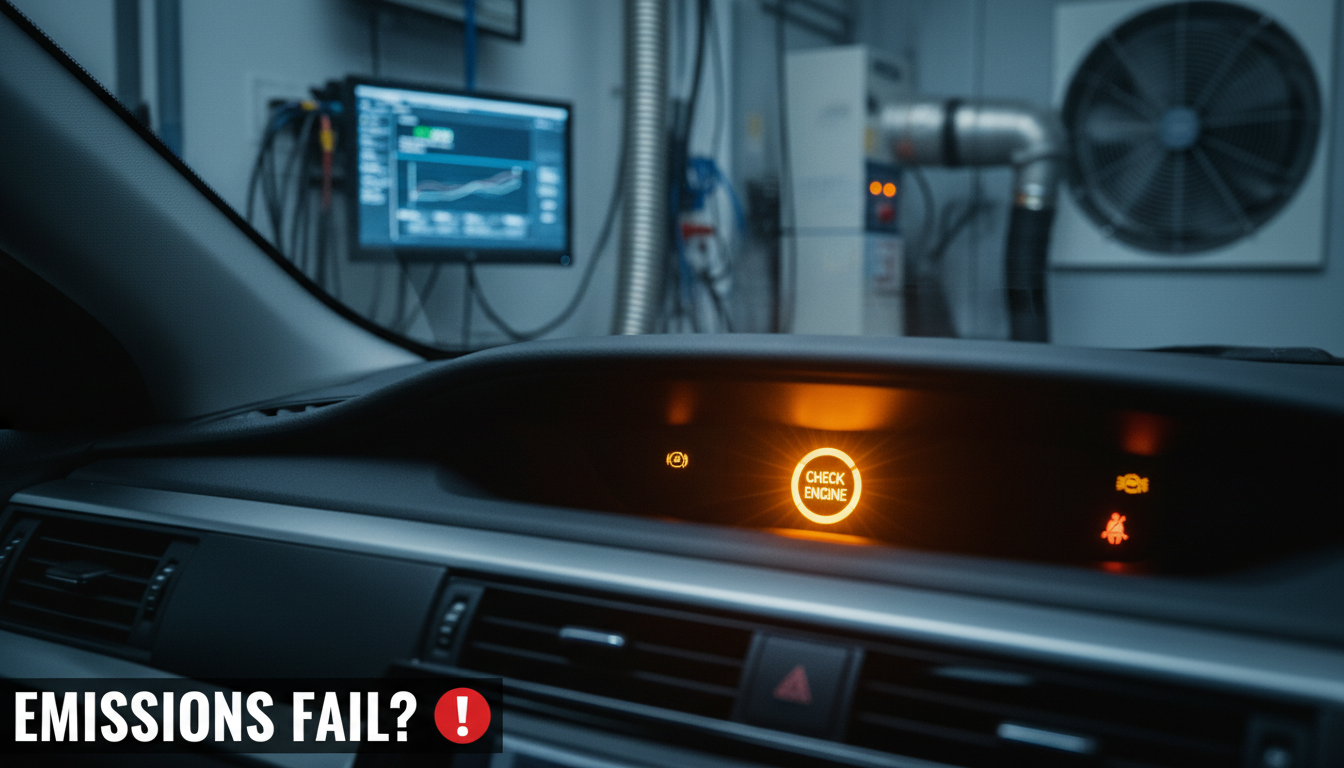

You are driving like any other day when a small amber light suddenly appears on your dashboard.
It may look harmless, but that symbol often causes confusion for many drivers. This is the ABS warning light, and it is your car’s way of asking for attention.
At this moment, one may wonder what ABS means on a car and why the light has turned on.
However, that small light connects to an important safety system that helps you stay in control during braking.
Understanding what the ABS light means can help you react the right way and avoid unsafe driving situations.
In this blog, we will explain what ABS means in a car, why the warning light comes on, and what steps you should take when you see it so that you can drive with more confidence.
What Does ABS Mean on a Car?
ABS stands for Anti-lock Braking System, a safety feature that helps drivers keep control of their car during hard or sudden braking.
It works by using wheel speed sensors to monitor how fast each wheel is turning.
If the system senses that a wheel is about to lock up, it quickly adjusts brake pressure to that wheel, helping the tires keep grip on the road.
This allows the driver to steer while braking and lowers the risk of skidding, especially on wet or slippery surfaces.
When the ABS light turns on and stays on while driving, it means the system has detected a problem and ABS may not work as intended, even though regular brakes still function.
This is different from the brief ABS light at startup, which is normal and shows the system is running a self-check.
Common Reasons the ABS Light Comes On
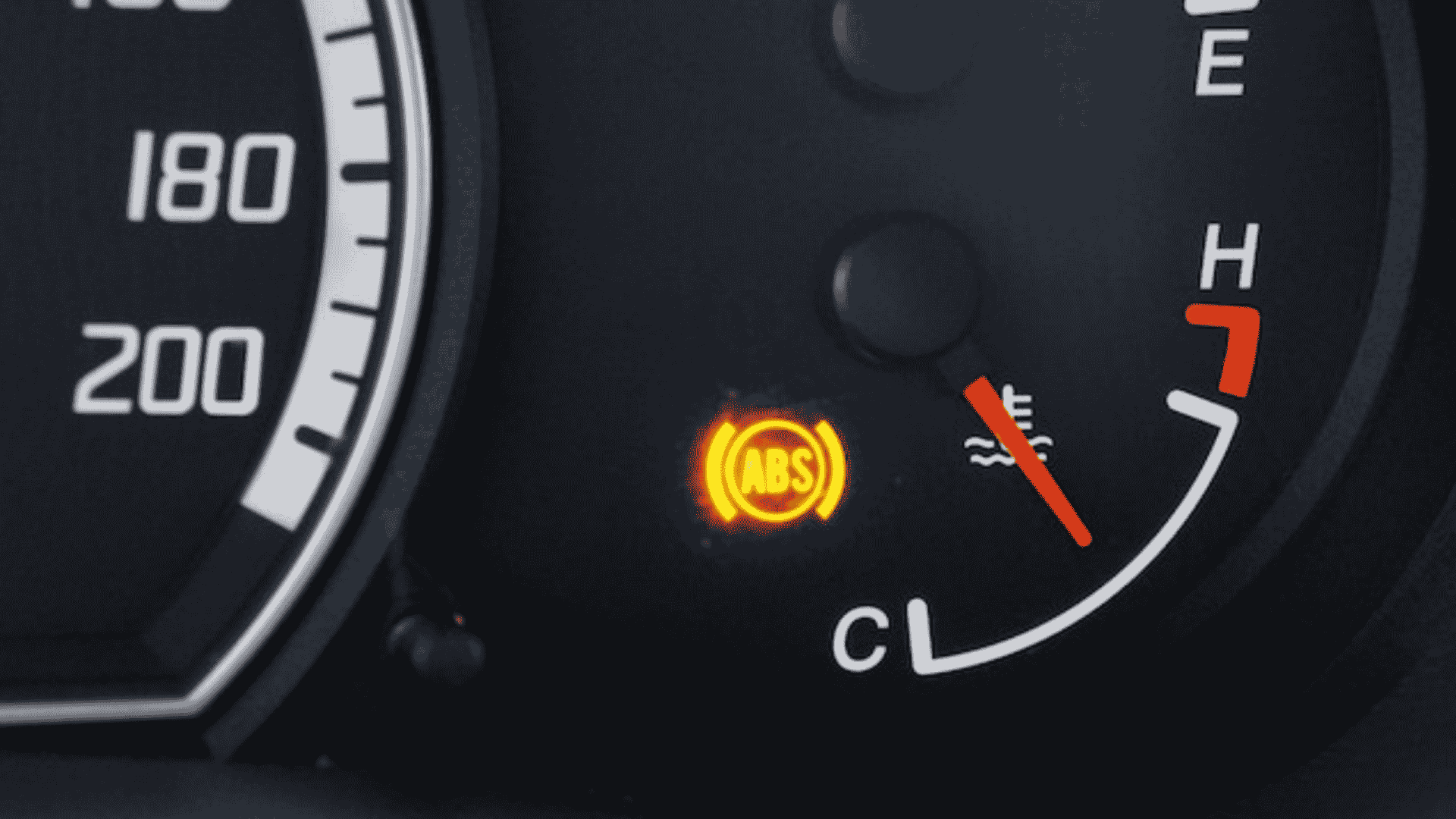
The ABS light can turn on for several reasons, and most of them are linked to small issues within the braking system. It is a warning that the system needs attention, not something to ignore.
1. Faulty Wheel Speed Sensor
Wheel speed sensors track how fast each wheel is spinning and send that data to the ABS system.
This helps the car know when a wheel is about to lock up during braking. Over time, these sensors can get dirty from mud, road salt, or brake dust.
They can also wear out or get damaged from rough driving or potholes.
When a sensor sends wrong or no data, the ABS system cannot work properly, which causes the ABS light to turn on as a warning.
2. Low Brake Fluid
Brake fluid plays a key role in both the normal braking system and the ABS system.
It helps transfer pressure when you press the brake pedal, and if the fluid level drops too low, the ABS system may not get the pressure it needs to work correctly.
Low brake fluid can happen due to leaks, worn brake components, or a lack of regular maintenance.
When the system senses low fluid levels, it turns on the ABS light to alert you that braking performance could be affected.
3. ABS Control Module Problems
The ABS control module acts like the brain of the ABS system. It receives information from sensors and decides when to adjust braking pressure to prevent wheel lockup.
If this module fails, the system cannot process data correctly. It can happen due to electrical faults, moisture buildup, or age-related wear.
When the module stops working as it should, the ABS light turns on to signal that the system is disabled.
4. Blown Fuse or Wiring Issues
The ABS system relies on electrical power to function. A blown fuse, damaged wire, or loose connection can interrupt the flow of electricity.
This can happen from corrosion, vibration, or wear over time.
When power is lost or signals are interrupted, the ABS system shuts off to avoid errors. The ABS light then turns on to warn the driver.
5. Worn Brake Pads or Rotors
Worn brake pads or rotors can also affect how the ABS system performs.
As brake components wear down, they can change how pressure is applied during braking. This can confuse the ABS system and trigger the warning light.
In some cases, worn parts may cause uneven braking, which the system detects as a problem.
Regular brake inspections help catch worn pads or rotors early, keeping both the braking system and ABS working as they should.
Significance of the ABS Light
The ABS light plays an important role in warning drivers about the condition of the anti-lock braking system. It helps you know when the system is not working as it should.
- Alerts you to ABS system problems: The light turns on when the system detects a fault that could limit ABS function.
- Shows ABS is disabled: When the light stays on, the ABS feature may not work during sudden or hard braking.
- Helps prevent loss of control: By warning you early, it reduces the chance of skidding in emergency stops.
- Signals the need for inspection: The light reminds you to get the braking system checked before the issue worsens.
- Improves overall driving safety: Paying attention to the ABS light helps maintain safe braking and better control on the road.
What to Do When the ABS Light Turns On?
While your regular brakes may still work, ABS may not help during sudden stops. Taking a few simple steps can help you understand the issue and decide what to do next.
- Check the brake fluid level: Open the hood and look at the brake fluid reservoir. Low fluid can trigger the ABS light and affect braking performance.
- Restart the car: Turn the engine off and restart it. Sometimes the light turns on due to a temporary system glitch.
- Look for other warning lights: Check if the brake or traction control light is also on, as this can point to a related issue.
- Drive carefully and avoid hard braking: Until the problem is checked, leave extra space and brake gently to stay safe.
- Get a diagnostic scan: Visit a repair shop or auto parts store to scan for error codes and find the exact cause.
How Much Does It Cost to Fix an ABS Issue?
Fixing an ABS issue usually costs a moderate amount, but the final price depends on the exact problem and the type of vehicle.
In many cases, ABS repairs range from about $150 to $900 for common issues.
Simple fixes, such as replacing a wheel speed sensor, tend to be on the lower end of the range.
More serious problems, like a faulty ABS control module or pump, can raise the cost significantly, sometimes going over $1,000.
Diagnostic testing is often needed to find the cause and may add extra cost. Labor rates also vary by location and shop.
ABS systems differ by car make and model; getting a proper inspection is the best way to know the true repair cost.
Is It Safe to Drive With the ABS Light On?
Driving with the ABS light on can be safe for short trips, but it depends on the situation. When the light is on, your regular brakes still work, so you can slow down and stop during normal driving.
What does not work is the ABS feature that helps prevent wheel lockup during hard or sudden braking.
This means the car may skid or lose steering control if you brake quickly, especially on wet, icy, or loose roads. During everyday driving at low speeds, you may not notice much difference.
However, in an emergency stop, the wheels can lock up and make stopping harder.
It is best to drive carefully, avoid sudden braking, and get the system checked as soon as possible to stay safe.
ABS Light vs Brake Warning Light
Both warning lights may look similar on the dashboard, but they signal different problems. Each light points to a separate part of the braking system and comes on for different reasons.
| Feature | ABS Light | Brake Warning Light |
|---|---|---|
| Meaning | Problem with the Anti-lock Braking System | Problem with the main braking system |
| Dashboard color | Amber or yellow | It usually shows red |
| What works | Normal brakes work, but ABS may not | Braking power may be reduced |
| When it turns on | Stays on after startup or during driving | Turns on for low brake fluid, parking brake, or brake failure |
| Safety level | Drive with caution | Stop and check immediately |
Tips to Prevent ABS Problems
Taking care of your braking system can help prevent ABS problems before they start. Simple maintenance steps can keep the ABS system working properly and reduce the chance of repairs.
- Schedule regular brake inspections: Routine brake checks help catch worn parts, leaks, or sensor issues before they affect the ABS system.
- Keep wheel speed sensors clean: Dirt, road salt, and debris can block sensor signals, so clean areas around the wheels during tire or brake service.
- Maintain proper brake fluid levels: Low or dirty brake fluid can interfere with ABS operation, so check levels and replace fluid as recommended.
- Address warning lights early: Do not ignore the ABS or brake warning light, as early fixes are often simpler and cheaper.
- Avoid rough driving habits: Hitting potholes, curbs, or driving aggressively can damage sensors and wiring connected to the ABS system.
Conclusion
ABS, or Anti-lock Braking System, helps keep your car steady and under control during hard braking by preventing the wheels from locking up when you suddenly press the brake pedal.
When the ABS warning light turns on, it means the system has detected a problem and may not work when you need it most.
While your regular brakes can still function, ignoring the light can increase the risk of skidding.
Taking quick action, such as checking fluid levels or getting a diagnostic scan, can prevent small issues from turning into costly brake repairs.
Paying attention to what ABS means on a car also helps protect your safety and the safety of others on the road.
Have you seen the ABS light on your car dashboard recently? Share your experience in the comments, and let us know how you handled it.