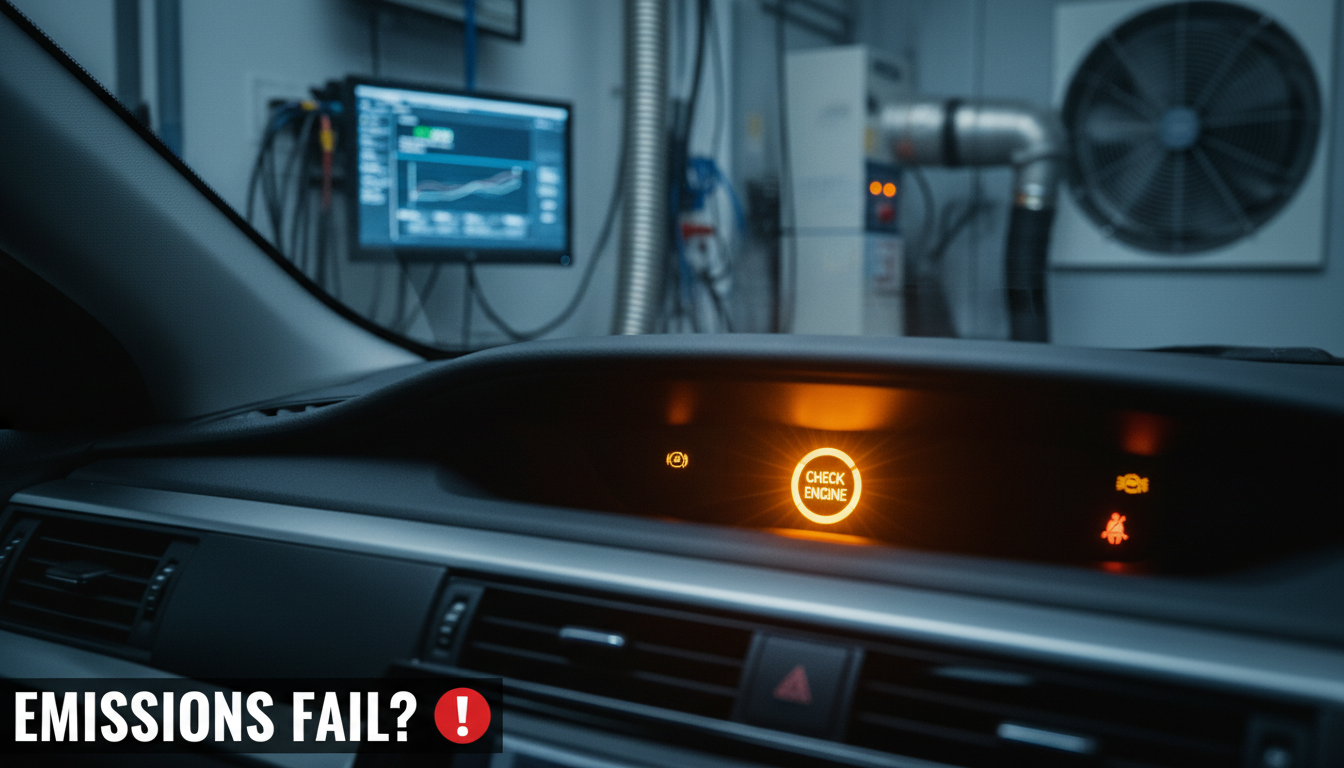

Dashboard signs often show up without warning, lighting up the panel when you least expect it during everyday driving situations.
One glance at the dashboard and suddenly, there is a symbol you have never noticed before. These signs are not there to confuse drivers.
They are built to share useful information about how the car is running at all times.
Among them, yellow warning lights are the most common. They act as early signals, letting you know something needs attention but is not an emergency yet.
Learning what these dashboard signs mean makes driving easier and more predictable.
Understanding yellow car warning lights helps you stay prepared, avoid delays, and take the right action at the right time.
What Are Dashboard Warning Lights?
Dashboard signs, also called dashboard symbols or warning lights, are visual alerts built into your car’s instrument panel.
They help drivers understand the condition of different vehicle systems while driving.
Each sign uses a symbol and color to show how serious an issue may be. Some lights are only informational, while others signal problems that need attention.
Yellow car warning lights usually mean caution. They tell you that a system is not working as expected or needs to be checked soon.
Yellow warning lights do not always mean you must stop right away, but they should not be ignored.
Common Yellow Car Warning Lights
Yellow car warning lights signal caution. They usually point to system checks, maintenance needs, or minor issues that can grow over time.
1. Check Engine Light
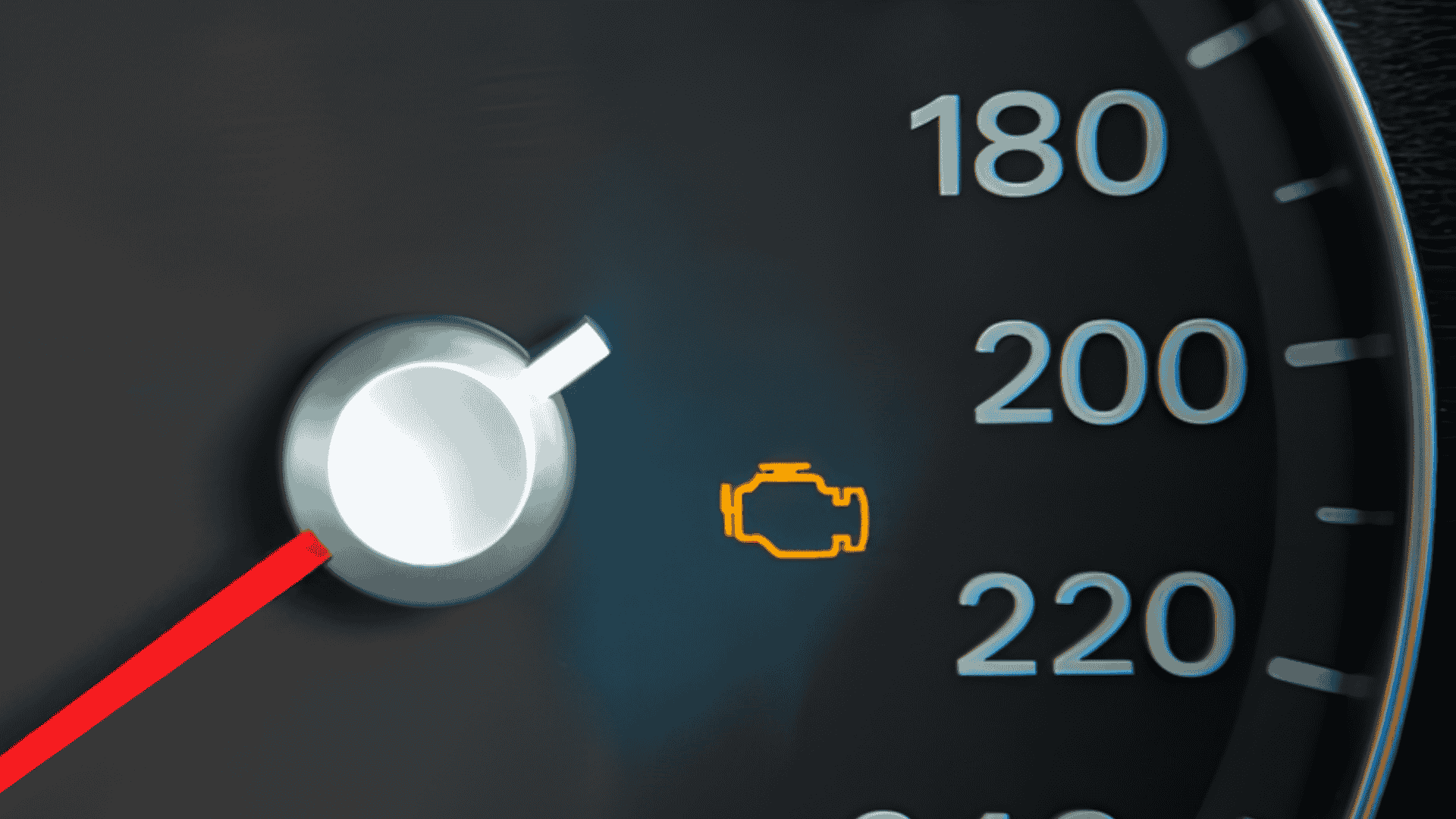
The check engine light usually looks like an engine-shaped icon or may say “Check Engine.”
It can turn on for many reasons, such as a loose gas cap, a faulty sensor, or an engine misfire.
Sometimes the car feels normal, which makes the light easy to ignore.
If the light stays on, get it checked soon, and if it flashes, stop driving and seek help. Early checks help avoid engine damage and costly repairs.
2. Tire Pressure Warning Light (TPMS)
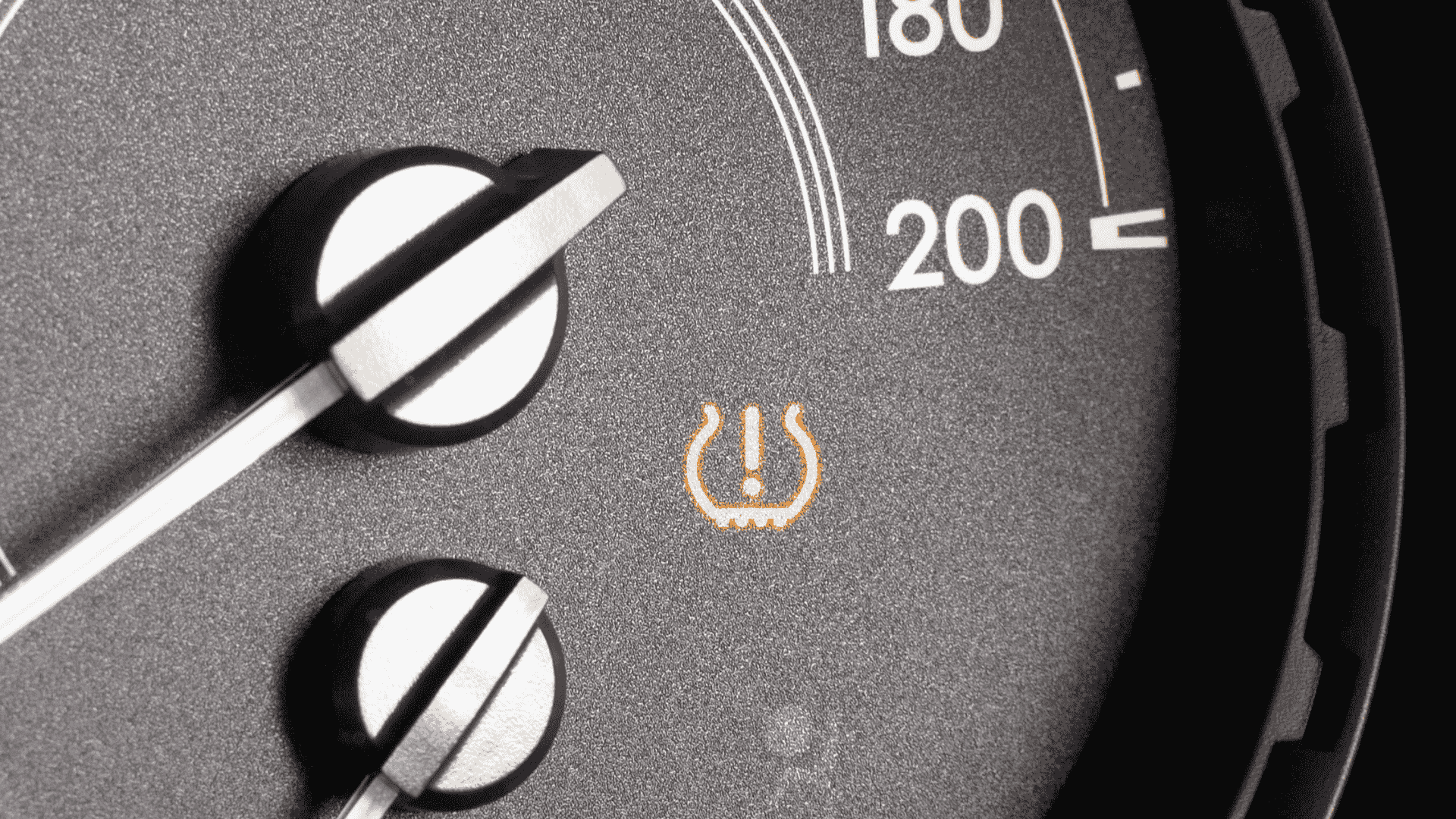
The tire pressure yellow car warning lights look like a flat tire with an exclamation mark.
It often turns on when one or more tires are low on air, and cold weather can also trigger it.
Sometimes the issue is not the tire but a faulty sensor. Start by checking tire pressure and inflating tires to the recommended level.
If the light stays on, a sensor may need service because proper tire pressure improves safety and fuel use.
3. ABS Warning Light
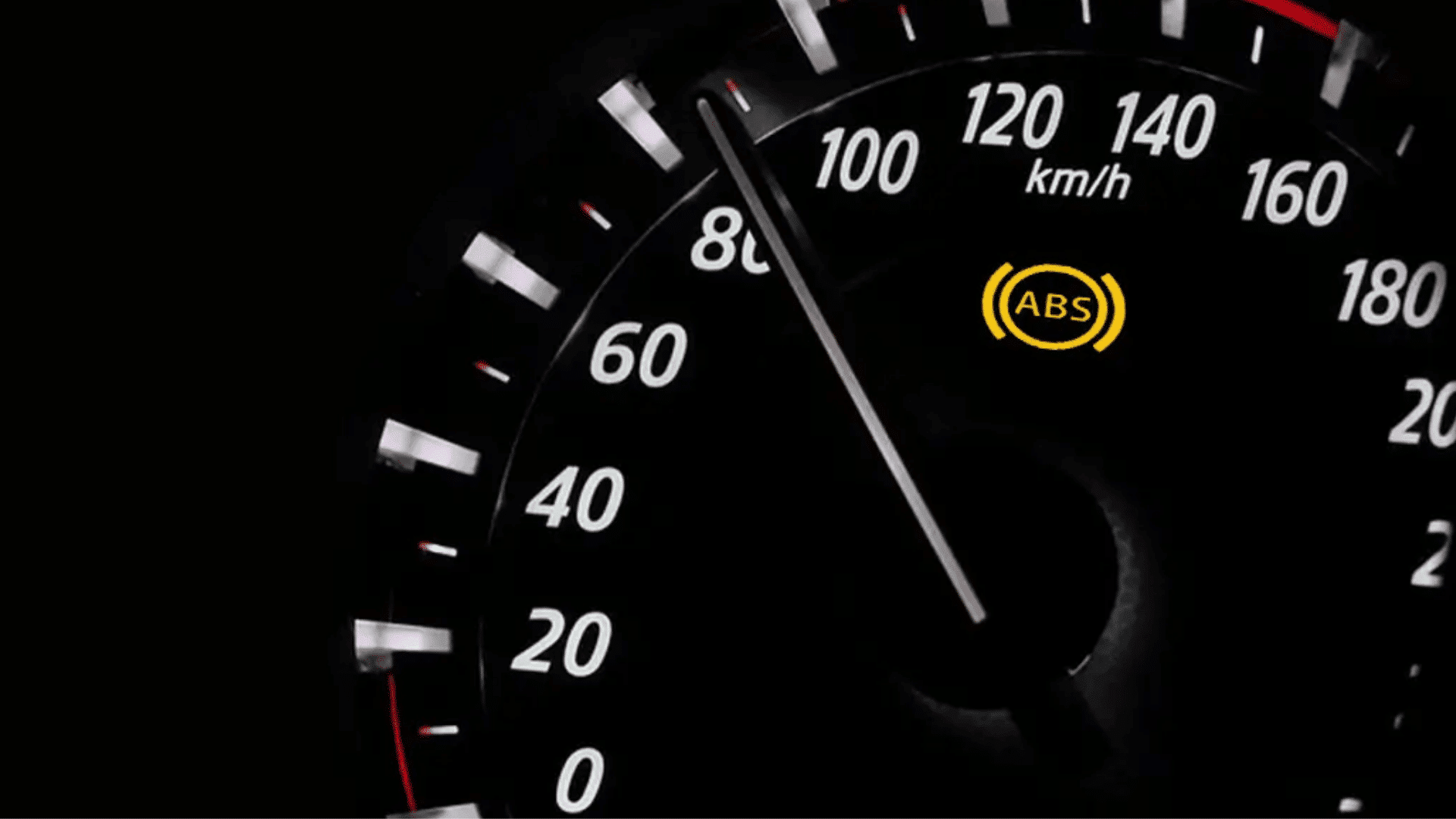
The ABS warning light means there is a problem with the anti-lock braking system.
Your regular brakes will usually still work, but ABS may not activate during hard stops. This can make braking less controlled on wet or slippery roads.
The light may turn on due to a sensor issue or wiring fault, so drive carefully and avoid sudden braking.
Have the system checked soon to restore full braking support and safety.
4. Traction Control Warning Light
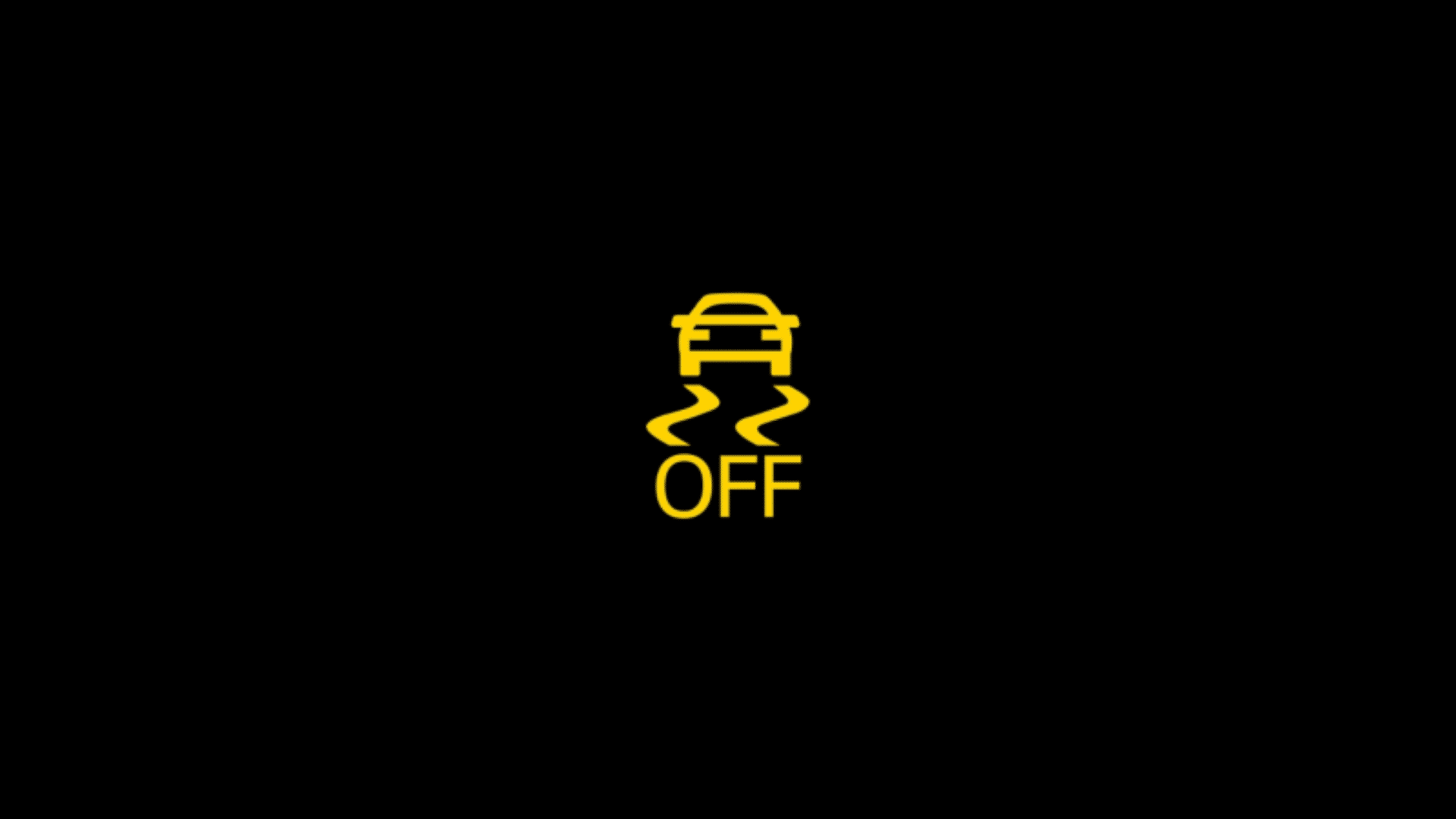
The traction control yellow car warning lights show a car with skid marks. It often turns on when wheels lose grip, such as on wet or icy roads.
If it stays on, the system may be off or not working correctly. This can happen due to sensor problems.
You can usually keep driving, but avoid fast turns or sudden acceleration. Get it checked to ensure stable handling in poor road conditions.
5. Engine Temperature Warning Light
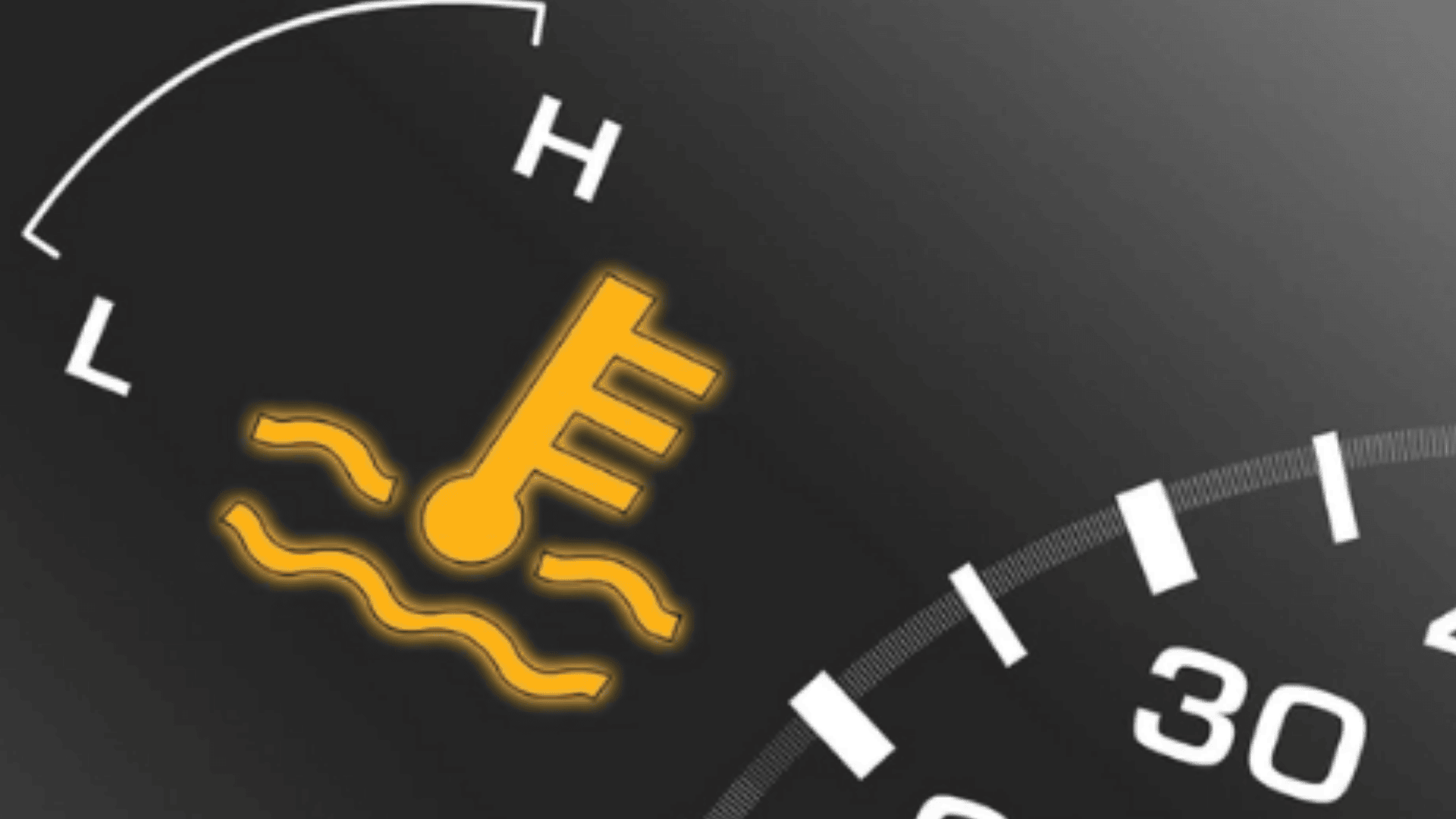
A yellow engine temperature light warns that the engine is running warmer than normal, but not overheating yet.
Common causes include low coolant, a faulty sensor, or heavy driving in hot weather.
Slow down and turn off the air conditioner to reduce engine load. Check coolant levels when the engine cools. If the light stays on, seek service soon.
6. Battery Warning Light
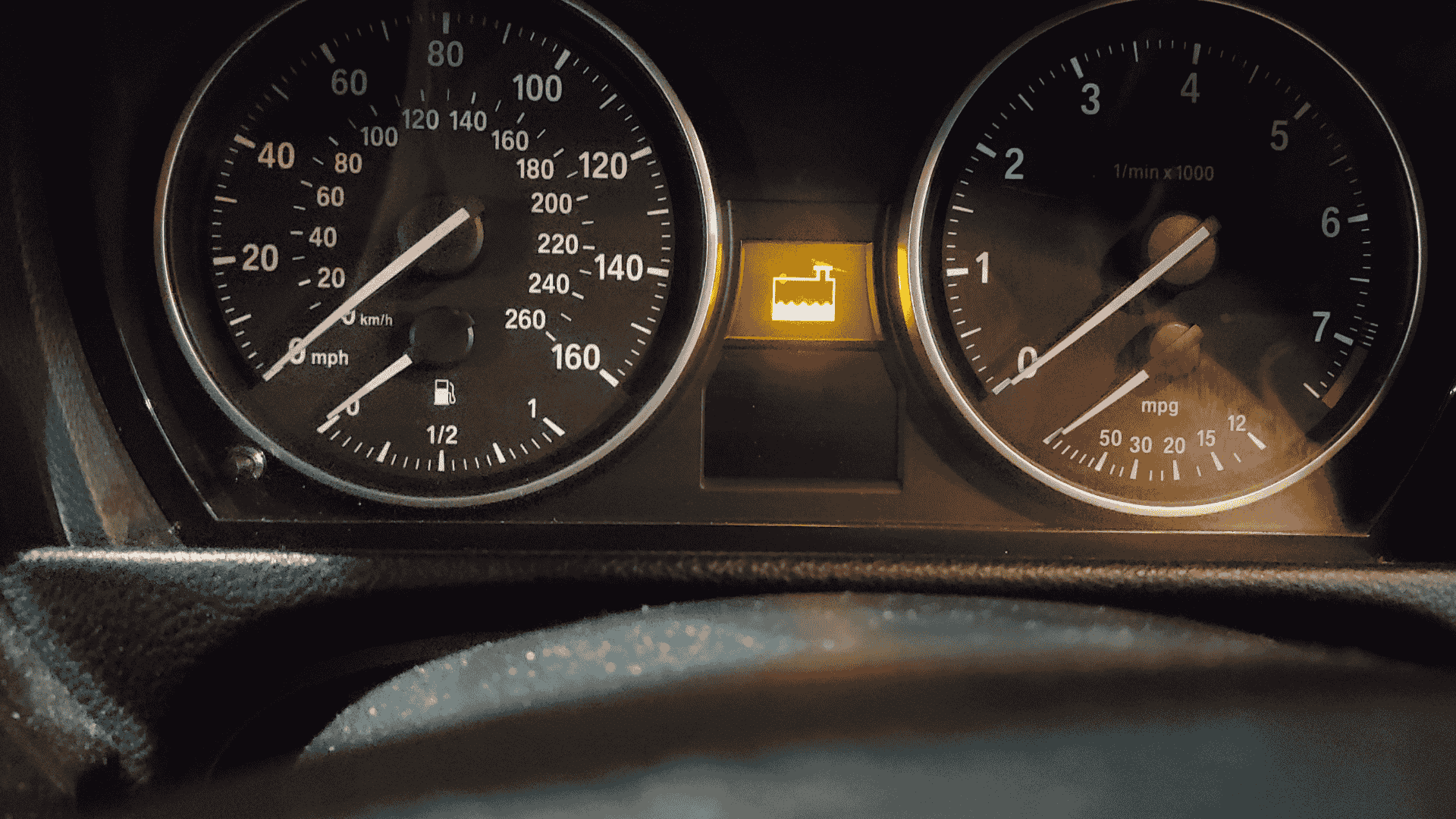
The yellow car warning lights point to a charging system issue. It may appear due to a weak battery, loose connections, or alternator problems.
The car may still start and run, but power loss can happen without warning. Dimming lights or slow starts are common signs.
Have the battery and charging system tested early to prevent getting stranded or facing sudden breakdowns on the road.
7. Oil Pressure Warning Light
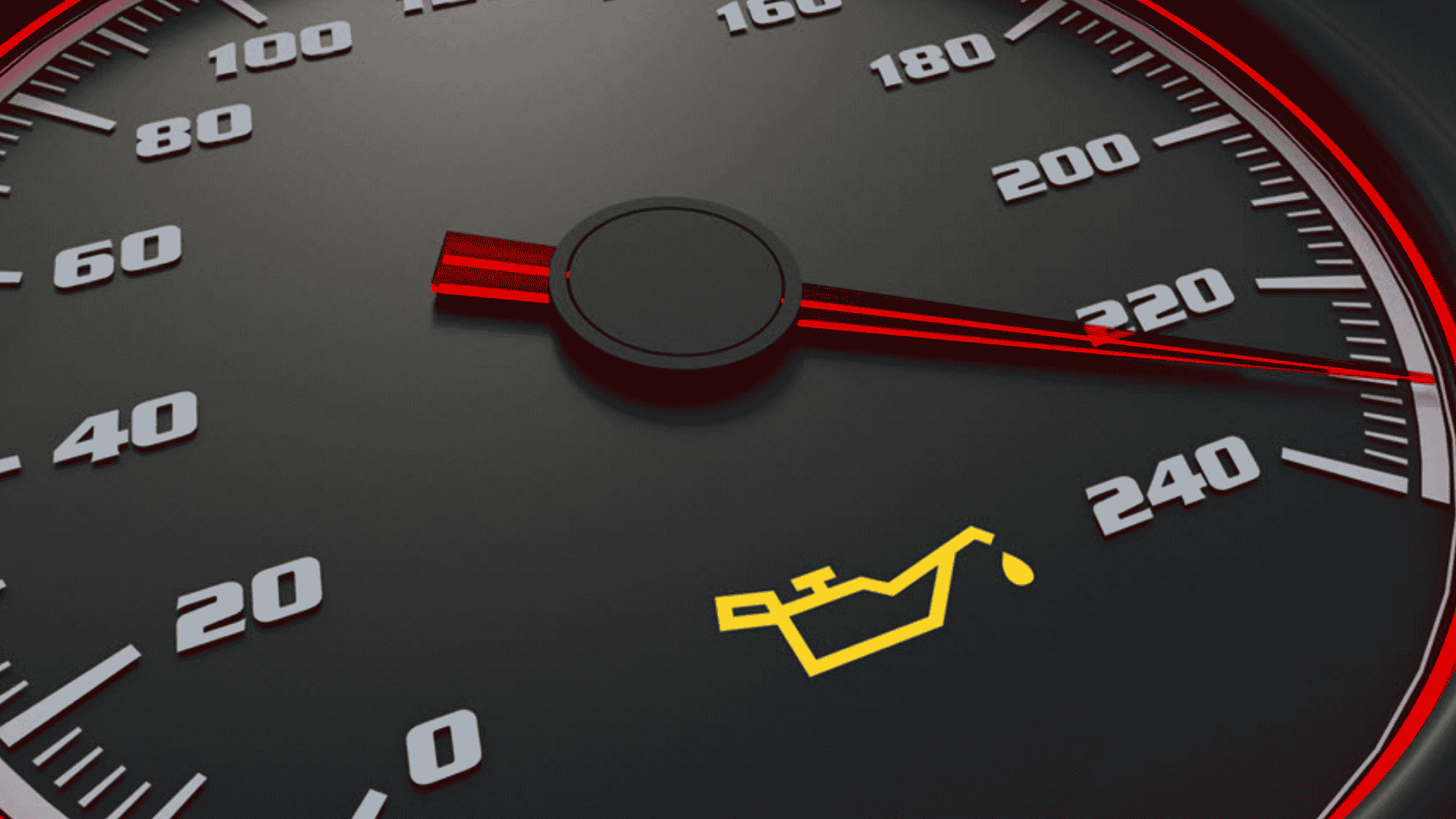
A yellow oil pressure light means oil flow or pressure is lower than normal. This is different from a low oil level.
Common causes include low oil, dirty or old oil, a clogged filter, or a failing sensor.
Driving with poor oil pressure can cause serious engine wear over time. Check oil levels as soon as possible and add oil if needed.
If the light stays on, engine noise increases, stop driving, and get professional help.
8. Diesel Particulate Filter (DPF) Warning Light
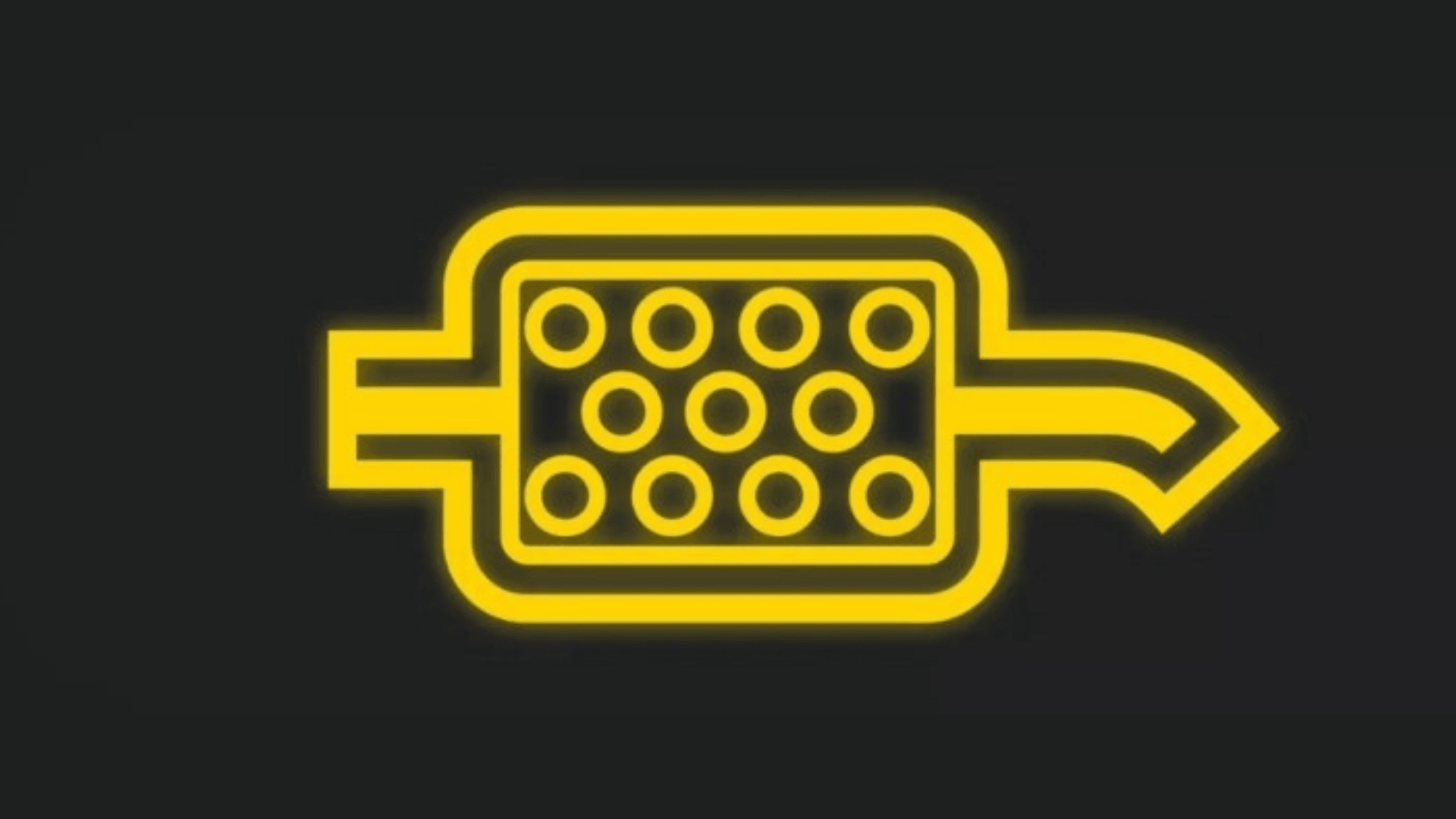
The DPF warning light appears in diesel vehicles when the filter becomes clogged with soot.
Short trips and low-speed driving often cause this buildup over time. The car may need a longer drive at highway speed to help clear the filter naturally.
If ignored, engine performance drops and fuel use increases.
If the light stays on after proper driving, professional cleaning or service may be required to prevent further engine issues.
9. Glow Plug Warning Light (Diesel Vehicles)
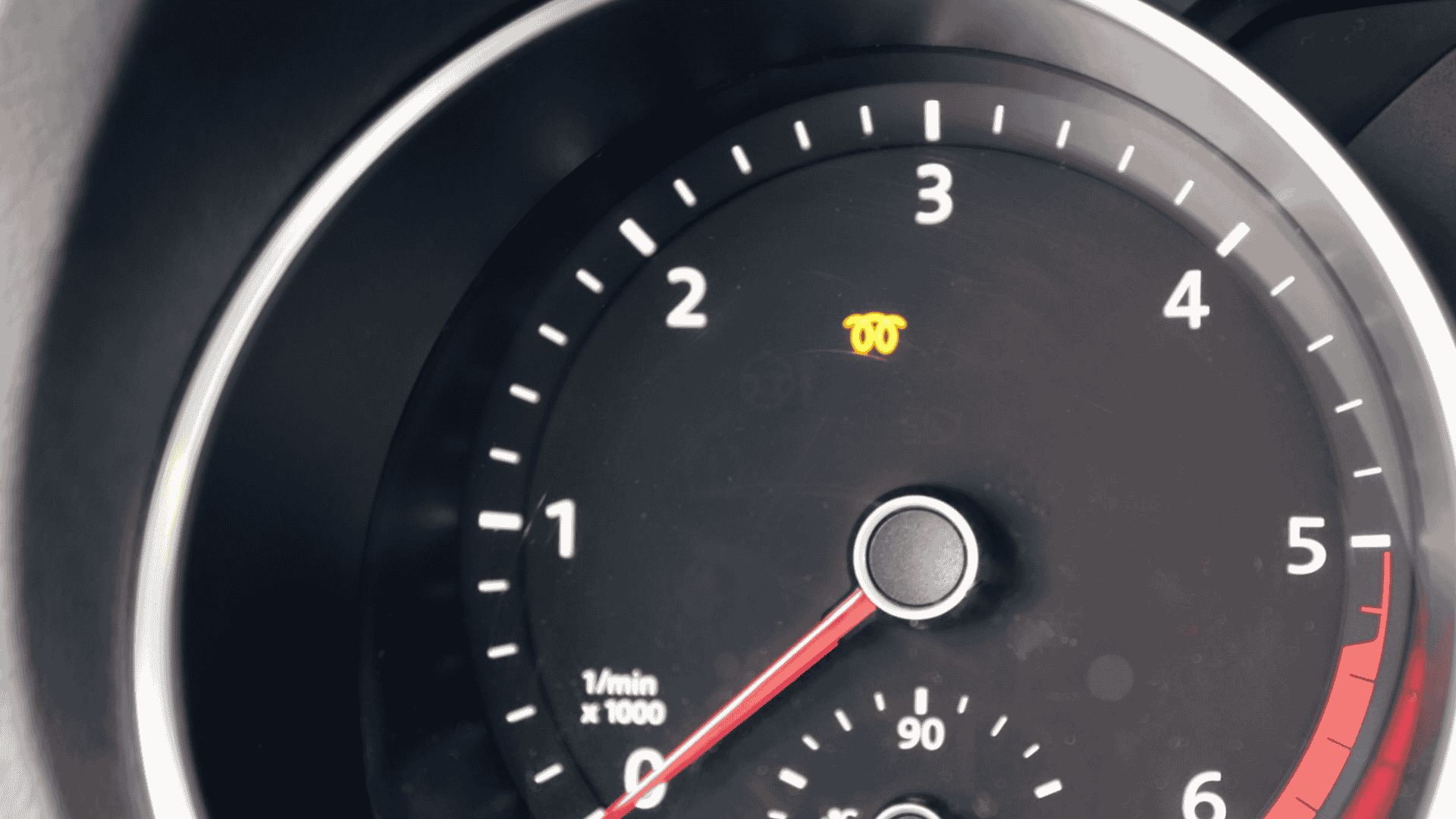
The glow plug yellow car warning lights appear in diesel vehicles and usually look like a small coil or spring.
It turns on when the engine is warming up before starting, which is normal in cold conditions.
If it stays on or starts flashing while driving, it may signal faulty glow plugs or a control issue. This can cause hard starts, rough idling, or poor fuel use.
10. Fuel Filter Warning Light

The fuel filter warning light means the filter may be clogged or water has collected inside it.
This is more common in diesel vehicles, but can appear in some petrol models too. Dirty fuel or skipped maintenance often causes this light.
When the filter is blocked, fuel flow drops, and engine power may be reduced.
Regular fuel system maintenance helps prevent stalling and keeps the engine running smoothly.
11. Power Steering Warning Light

The power steering yellow car warning lights signal an issue with steering assistance.
In electric systems, it often points to a sensor or motor fault. In hydraulic systems, it may mean low power steering fluid or a leak.
When this light is on, steering can feel heavy, especially at low speeds. The car is still drivable, but turning becomes harder.
Get the system checked soon to maintain safe and comfortable steering control.
12. Brake Pad Wear Indicator Light

The brake pad wear indicator light turns on when the brake pads have worn down close to their limit.
It is designed to warn you before the pads become too thin to work safely. You may also notice squealing noises or reduced braking response.
While the car can still be driven for a short time, delaying repairs can damage brake rotors and increase stopping distance.
How to Read Your Car’s Dashboard Symbols?
Reading your car’s dashboard symbols correctly helps you understand what your vehicle is trying to tell you.
The first step is checking the owner’s manual, which explains each symbol and what action it requires.
Keep in mind that dashboard symbols can look different across car brands, even if they represent the same system.
The yellow car warning lights on one model may appear as text on another. When a symbol is unclear or stays on, an OBD-II scanner is useful.
It connects to your car and reads error codes linked to the warning light. These codes help identify the problem more accurately.
Using the right tool saves time and helps you decide the next step with confidence.
What to Do When a Yellow Car Warning Lights Turn On?
When a yellow warning light turns on, it means your car needs attention but not immediate shutdown. Staying calm and taking the right steps can help prevent bigger issues and costly repairs.
- Slow Down and Stay Alert: Reduce speed and pay attention to how the car feels, sounds, and responds while driving.
- Check the Dashboard Message: Some cars show a short message explaining the warning, which helps narrow down the issue.
- Inspect Basic Items: Look at tire pressure, fuel cap, oil level, and engine temperature if it is safe to do so.
- Avoid Long Drives: Keep trips short until the issue is checked to prevent further damage.
- Schedule a Diagnostic Check: Visit a mechanic if the light stays on, flashes, or the car shows unusual behavior.
If the light remains on after basic checks or the car starts running poorly, visit a mechanic. A quick diagnostic can find the cause early and help keep your vehicle safe and reliable.
Can You Drive With a Yellow Car Warning Light On?
In many cases, you can still drive when a yellow car warning lights turn on, but you should stay alert. Yellow lights usually mean caution, not danger.
For example, a tire pressure light or traction control light often allows short trips without harm.
If the car feels normal and no strange sounds appear, slow down and plan a check soon.
You should stop driving if the car starts shaking, losing power, overheating, or making loud noises.
A flashing yellow car warning light is also a warning to stop and check the issue right away.
Diagnostics are important because warning lights do not show the exact problem. A scan can find the cause early and help avoid costly repairs later.
Difference Between Yellow and Red Warning Lights
Both the lights alert drivers to problems, but they signal different levels of urgency. Knowing the difference helps you decide when it is safe to keep driving and when to stop.
| Criteria | Yellow Warning Lights | Red Warning Lights |
|---|---|---|
| Urgency | Caution | Immediate danger |
| Meaning | The system needs attention or service soon | Serious issue or system failure |
| Driving Safety | Short-distance driving is often safe | Stop driving as soon as it is safe |
| Example | Check engine, tire pressure, and ABS | Brake system, engine overheating |
| Action Needed | Check soon with diagnostics or service | Pull over and get help immediately |
Tips to Prevent Yellow Car Warning Lights
Preventing yellow car warning lights starts with basic car care and regular checks. Simple habits can reduce surprise alerts and help your vehicle run smoothly for longer.
- Follow regular maintenance schedules: Get oil changes, inspections, and services done on time to keep systems working properly.
- Check fluid levels often: Monitor engine oil, coolant, brake fluid, and transmission fluid to avoid system alerts.
- Maintain proper tire pressure: Check tires monthly to prevent pressure and traction-related warnings.
- Take care of the battery: Clean terminals and replace old batteries before they trigger warning lights.
- Fix small issues early: Address minor problems quickly to stop warning lights from returning.
Conclusion
Yellow car warning lights are not problems to push aside or ignore for later.
They are reminders to act early, before a small issue grows into a repair that costs more time and money.
Paying attention to these signals helps you plan maintenance and reduce the risk of sudden breakdowns.
Key takeaways from this guide are simple: learn what common yellow lights mean, check basic items like fluids and tire pressure, and do not delay diagnostics when a light stays on.
These small steps protect important systems and improve long-term reliability.
If you found this blog useful, add your thoughts in the comments. Share what you have learned or ask a question to help keep the discussion helpful for other readers.