
Which Car Warning Lights Actually Fix Themselves? (And Which Ones Are Lying to Your Face)
Confession: I used to treat dashboard warning lights like the “check engine” equivalent of a spam email. Like, “Sure, buddy. I’ll get right on that.”
But here’s the deal some lights really will turn off after a couple normal drives because the issue was small (or temporary, or your gas cap was being dramatic). And some lights are basically your car screaming, “PULL OVER OR I’M ABOUT TO RUIN YOUR WEEK.”
So let’s talk about which warning lights can genuinely clear themselves, why that happens, and how to decide whether you can keep driving or you should be calling for a tow while whispering apologies to your wallet.
The Color Code: Your Dashboard’s Mood Ring
If you remember nothing else from this post, remember this:
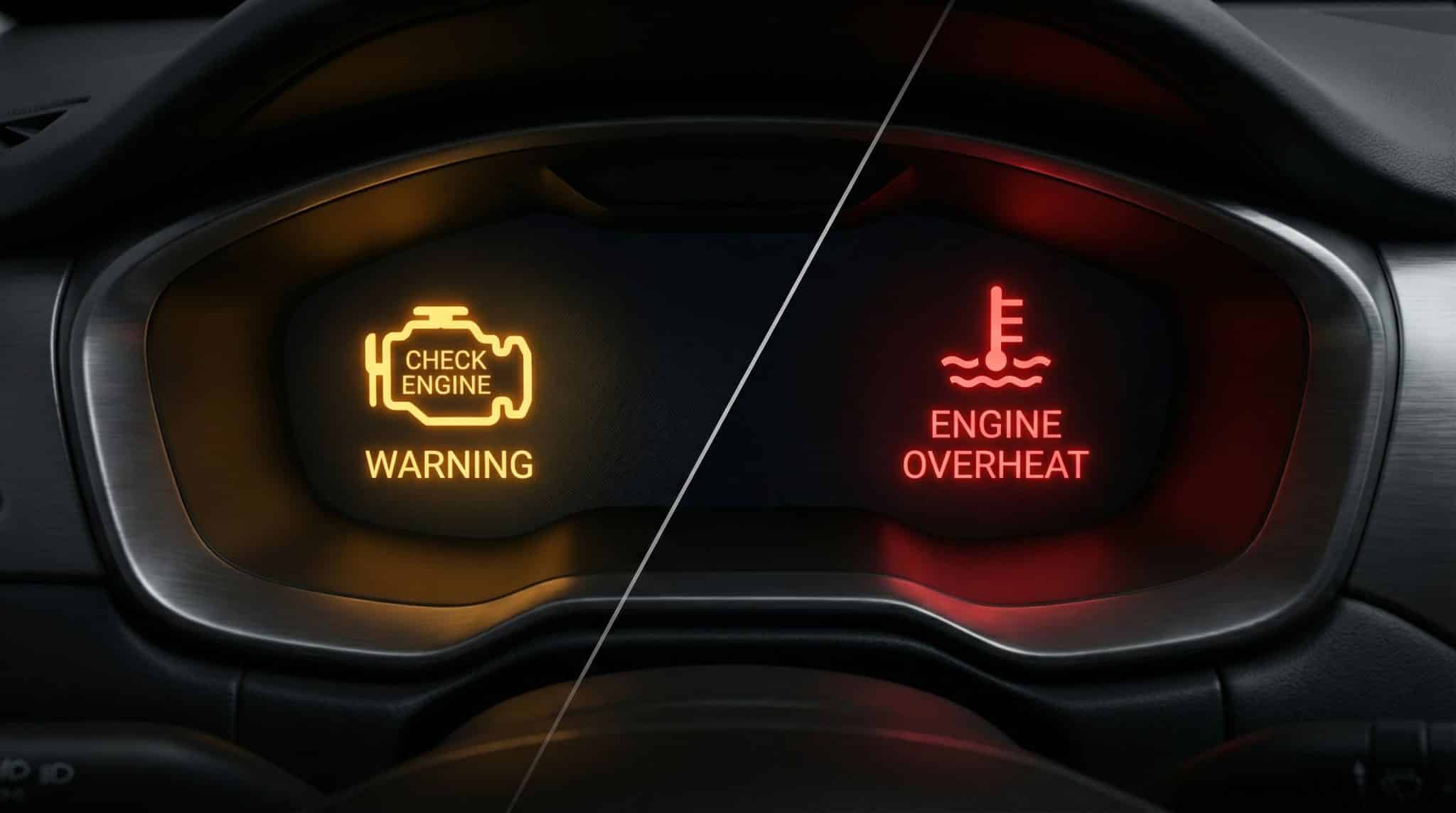
- Red = stop. Not “stop soon.” Not “stop after Target.” Stop. Think oil pressure, brake system, engine temp, airbag. Red lights are not here to make friends.
- Flashing = extra serious. A flashing check engine light usually means an active misfire, and driving on that can toast your catalytic converter (which is an expensive way to learn a lesson).
- Yellow/amber = plan on service. Usually not an emergency, but it’s not a suggestion either. Your car is politely asking you to handle something before it becomes a “whole thing.”
- Green/blue = informational. High beams, cruise control, lane assist, etc. These are just your car being chatty.
Okay. Now that we’ve decoded the vibes, let’s get into the big question: how does a light “fix itself”?
How a Warning Light “Goes Away” (Without Magic)
Your car doesn’t turn a warning light off because it got bored. It turns it off because the computer re-ran its self-tests and didn’t see the problem again.
This happens through what’s called a drive cycle basically a normal pattern of driving: cold start, warm up, mixed speeds, a little idling, shut it down. Your car is quietly re-checking systems like a suspicious little robot.
In a lot of vehicles, if the same test runs and “passes” a few times in a row (often around three successful checks), the light turns off. But the code that caused it? That can hang out in the computer’s memory for a while longer sometimes dozens of drive cycles.
Which is why you can have this experience:
Light comes on → you panic → you ignore it → it turns off → you declare victory → it comes back a week later with an attitude.
Now, here are the warning lights that most commonly do clear up without a mechanic… assuming you do a couple basic things.
The Ones That Often Fix Themselves (Or Are Easy DIY Fixes)
1) The “You Didn’t Tighten the Gas Cap” Check Engine Light
This is the classic. The loose gas cap is basically the sock on the floor of car maintenance: tiny, common, and somehow still ruining everyone’s day.
A loose or cracked gas cap can trigger an evaporative emissions leak code (your car thinks fuel vapors are escaping). Here’s what I do:
- Take the cap off.
- Check the rubber seal for cracks or obvious grossness.
- Put it back on and tighten until it clicks a couple times.
- Drive normally.
Many cars will turn the light off after 1-3 drive cycles (often somewhere in the “10 to 50 miles” neighborhood). If it doesn’t go away after that, it may not be the cap it may be another EVAP issue.
2) Tire Pressure Light (Especially When the Weather Gets Petty)
If your tire pressure light comes on the first cold snap of the year, congratulations, you’re living in the same reality as the rest of us. Tires can lose roughly 1 PSI for every 10°F drop.
Do this:
- Check pressures when tires are cold.
- Inflate to the PSI listed on the driver door jamb sticker (not the tire sidewall that number is not your boss).
- Drive a bit some systems need a little rolling time to re-check.
If the light stays on even though your pressure is correct, you might be dealing with a TPMS sensor issue (like a dying sensor battery). Not the end of the world just annoying.
3) Random One Time Sensor Glitches
Sometimes a sensor has a moment. Like the rest of us. A brief voltage dip, a one time weird reading, a hiccup boom, warning light.
If the car is driving perfectly fine and the light is amber, I’ll usually give it a little time before I spiral. (Some people try an ignition cycle key ON, then OFF, repeat a few times occasionally it clears a temporary fault. I consider it the automotive version of turning your phone off and back on.)
4) Battery Terminal Corrosion Causing “Ghost Warnings”
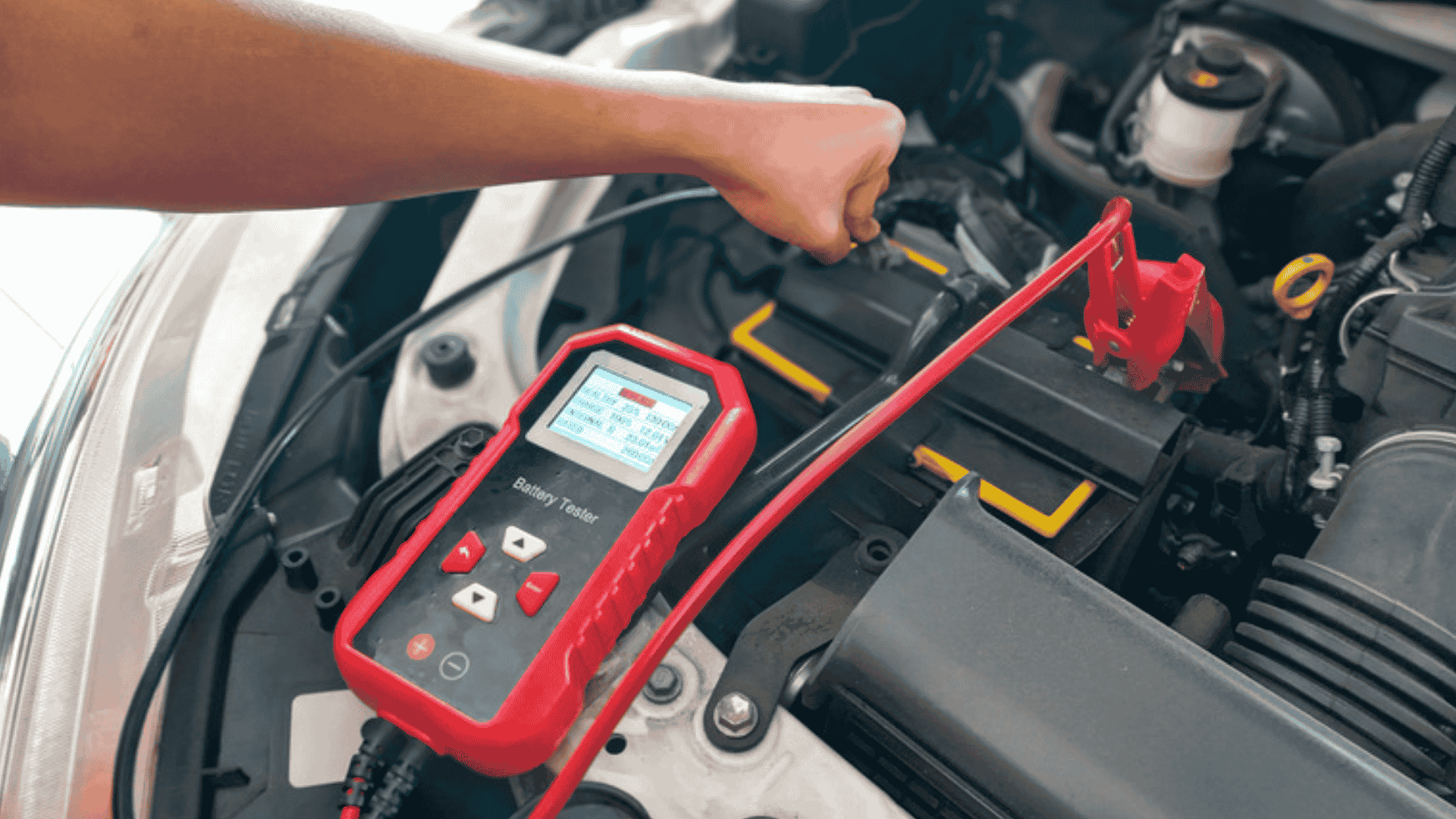
This one is sneakier than it should be. Crusty battery terminals can cause odd, unrelated electrical warnings because the car isn’t getting clean power.
If you pop the hood and see white/green buildup on the terminals, clean them up and make sure connections are tight. Sometimes warnings disappear on the next start.
5) Low Fluid Levels (The Easy Check You Forget Until It’s Too Late)
Low fluids can trigger warnings and this is where “self-fixing” is really “you fixing it in five minutes.” Check with the engine cold when appropriate and top off if needed:
- Oil
- Coolant
- Brake fluid
Important: If you have a red warning for oil pressure or engine temperature, don’t treat this like a casual top off situation. Keep reading.
The Lights That Do NOT “Fix Themselves” (Do Not Romanticize Them)
These are the ones where you do not “wait and see.” You do not “drive a few more days.” You do not “manifest it away.”
Oil Pressure Warning
If your oil pressure light comes on, take it seriously. Driving with low oil pressure can destroy an engine fast.
- Pull over safely.
- Check the oil level.
- If it’s low, add oil before driving.
- If the level is fine and the light stays on: tow it.
Brake System Warning
Brakes are not an “eventually” system. If the brake warning light is on, check brake fluid level and get it inspected ASAP. If braking feels weird, spongy, or you see that light and your stomach drops? Trust that feeling and get help.
Flashing Check Engine Light
Flashing usually means an active misfire. Continuing to drive can damage the catalytic converter (and your bank account). Slow down, minimize driving, and tow if needed.
Charging System / Battery Light
If the alternator is failing, the car is running on the battery alone. That battery will eventually tap out, and then you’ll be stranded somewhere extremely inconvenient because that’s how cars build character.
Airbag Light
Airbag lights often need more specific diagnostic tools than a basic code reader. Don’t ignore it. It can mean the airbags may not deploy in a crash.
But It Turned Off! Am I Free?
Sometimes the light turns off because the issue genuinely was temporary. Sometimes it turns off because the problem is intermittent and the car hasn’t caught it again yet.
Cars store diagnostic trouble codes (DTCs). You can have a pending code from a one time event, and if it doesn’t happen again for a bit, the light may shut off. If it repeats, it becomes a confirmed code and the light comes back like, “Miss me?”
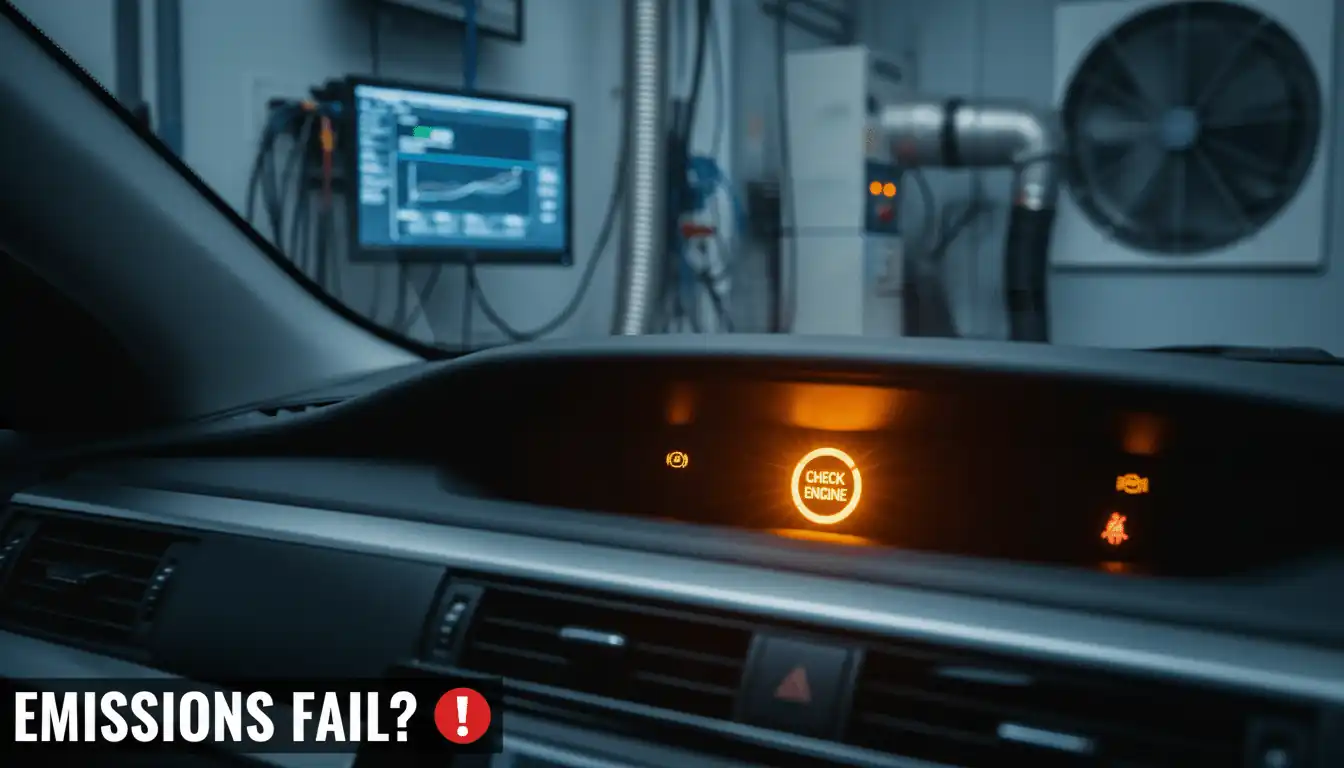
Also, if you (or a shop) clear codes right before emissions test with the light: heads up. Clearing codes resets readiness monitors to “incomplete,” and you may need 50-100 miles of mixed driving before everything shows “ready” again. (Ask me how I know. Actually don’t. It’s embarrassing.)
What to Do the Moment a Warning Light Pops On
Here’s my no drama checklist:
Step 1: Look at the color
- Red or flashing: take immediate action. Pull over safely, tow if needed.
- Amber: proceed carefully, do basic checks, plan service.
Step 2: Do the quick “easy stuff”
- Tighten the gas cap (especially if it happened right after fueling)
- Check tire pressure
- Check obvious fluid levels
- Look for loose battery terminals/corrosion
Step 3: Pay attention to how the car feels
If you notice rough idle, power loss, burning smells, knocking, grinding, overheating don’t keep driving just because the light is yellow. Your senses matter here.
And if multiple unrelated warnings show up at once? That can be electrical/charging related. Either way: get it checked sooner, not later.
How to Get Answers Without Guessing (or Panic Googling)
If the light doesn’t go away, skip the “replace random parts and hope” method. That’s how you end up with a brand new oxygen sensor you didn’t need and a personality trait called Regret.
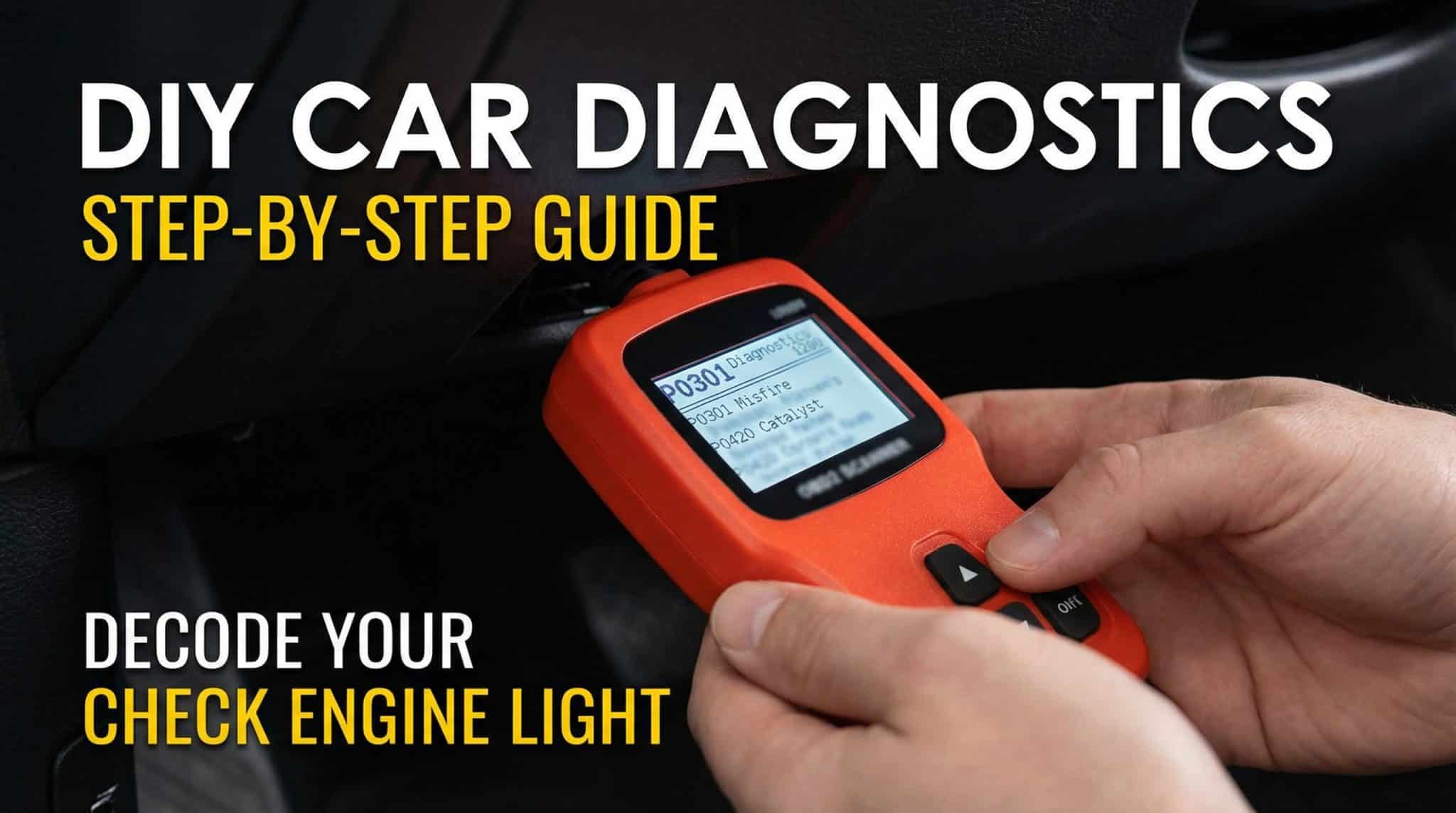
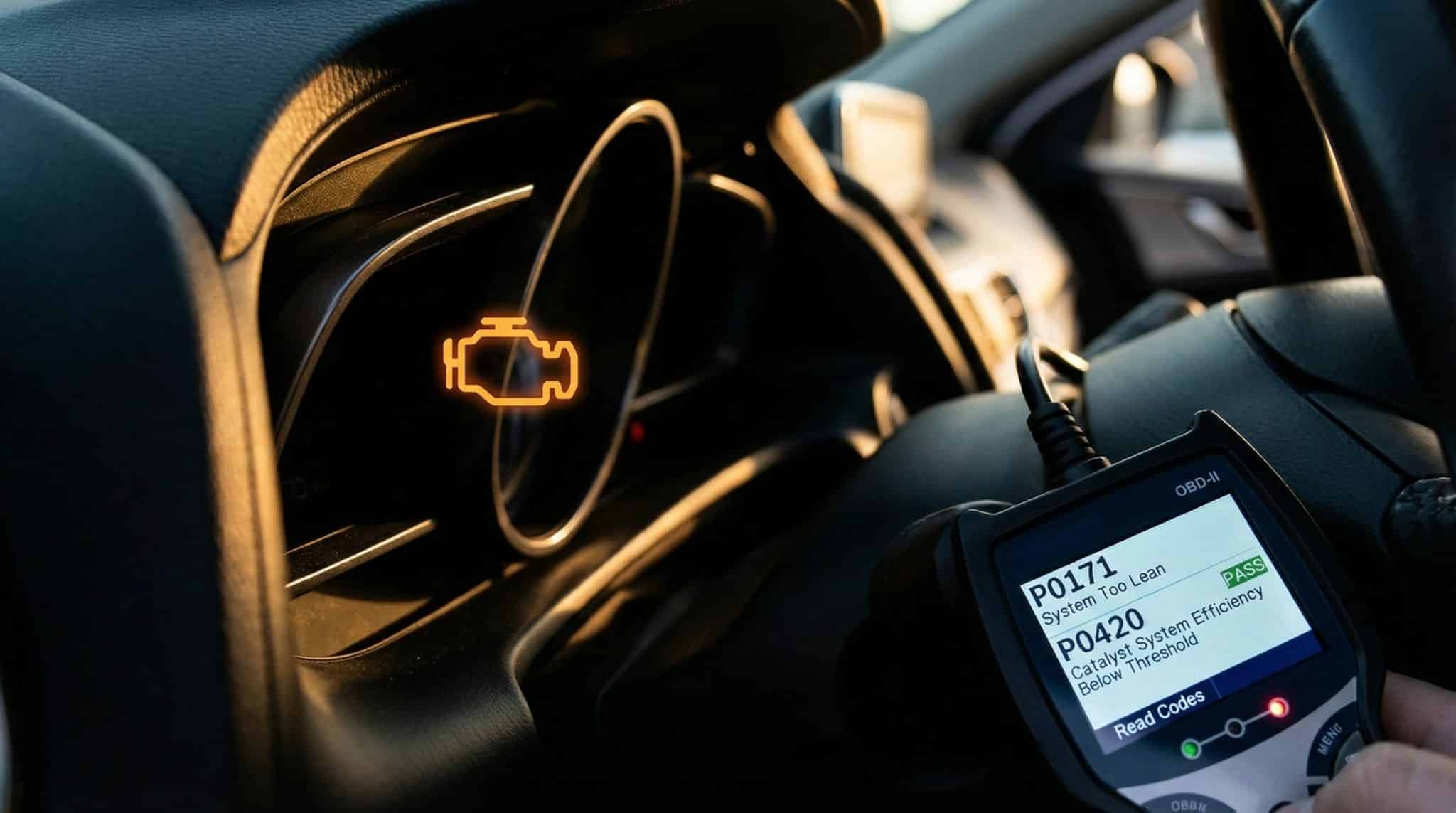
- Get the code read for free: Many parts stores will read basic OBD-II codes for free.
- Buy a basic code reader (optional): If you’re the chosen one who gets warning lights often, a $20-$100 scanner can be worth it. Just know it may not read everything (like airbags/ABS) depending on the car and scanner.
- Pay a shop for diagnosis: Sometimes paying for real diagnostic time is cheaper than guessing. (Wild, I know.)
Costs vary a lot, but as a general reality check: oxygen sensors can be a few hundred, alternators often land in the several hundred range, and catalytic converters can get painfully expensive. That’s why it’s worth getting the right answer first.
Should You Reset the Light?
You can clear codes (with a scanner, or sometimes by disconnecting the battery), but I only recommend doing that after the issue is actually fixed. Resetting without fixing is basically putting tape over your smoke detector and calling it “peaceful.”
Also: disconnecting the battery can wipe radio presets and force some computer re-learning. Not dangerous, just annoying like most “shortcuts.”
If you clear it and it comes back within 50-100 miles, congratulations, the car is still mad.
The Bottom Line (Because You Have Things to Do)
Yes, some warning lights truly can clear themselves especially loose gas caps, weather related tire pressure changes, and the occasional sensor hiccup.
No, red or flashing lights are not the time to be optimistic. If it’s oil pressure, brakes, overheating, a flashing dashboard engine warning icon, charging system issues, or airbags treat it like urgent information, because it is.
And if a light disappears? Great. But don’t assume your car “healed.” It may just not have caught the problem again yet. If you want peace of mind, get the code read and keep a little note of when it happened and what the car was doing. Future you will be so smug and grateful.