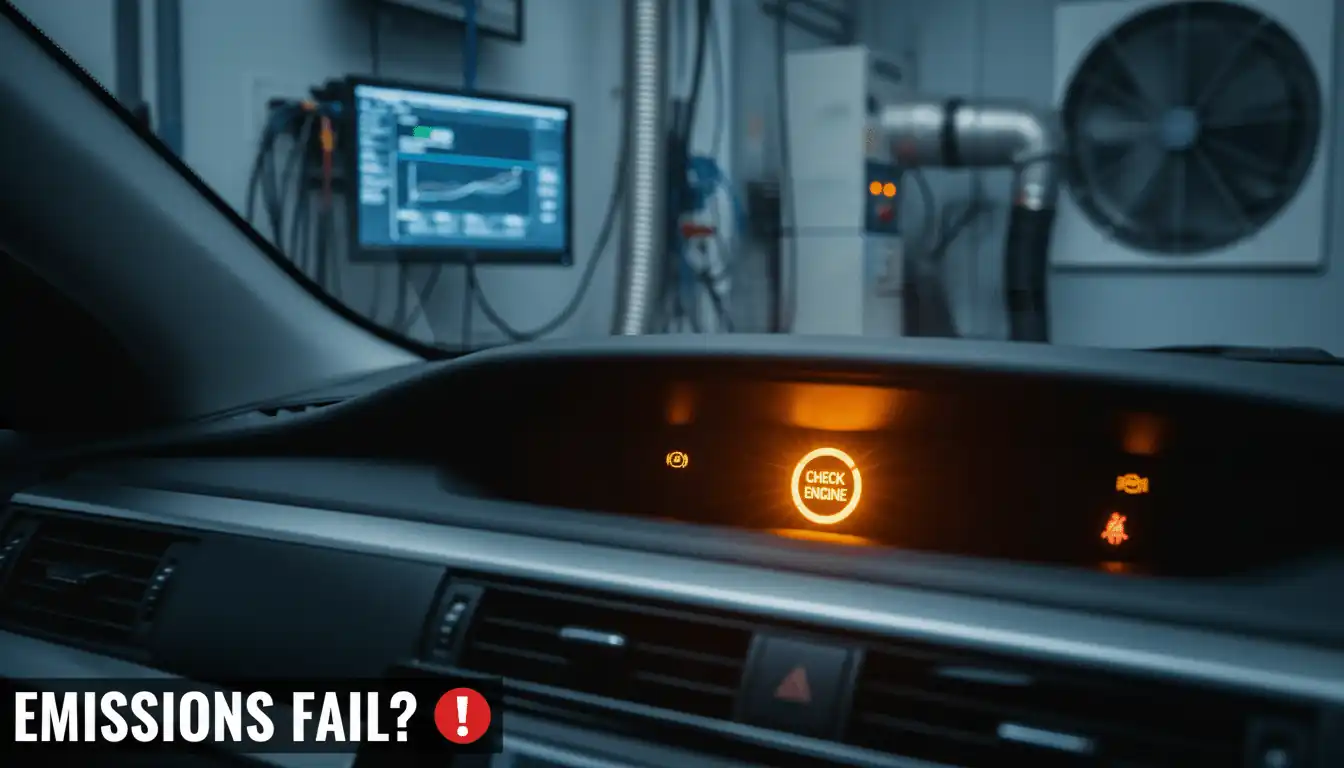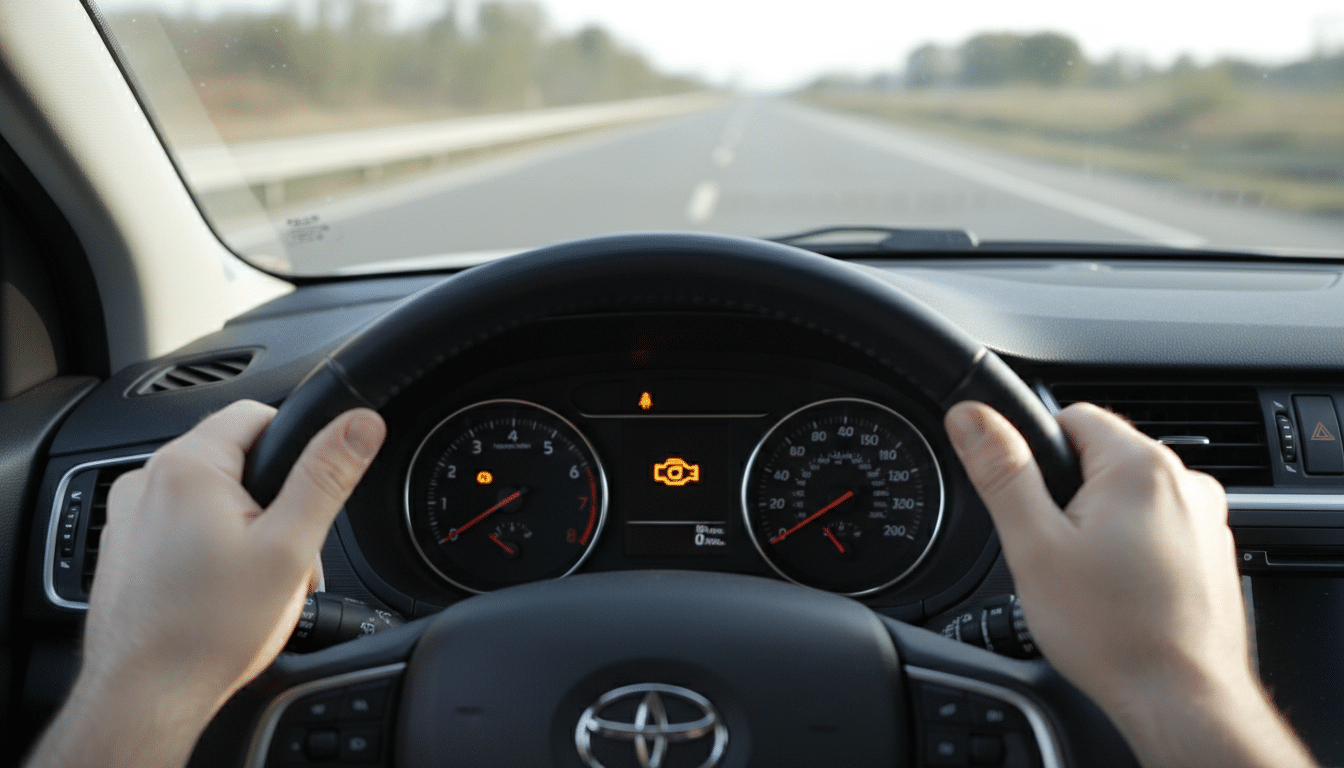

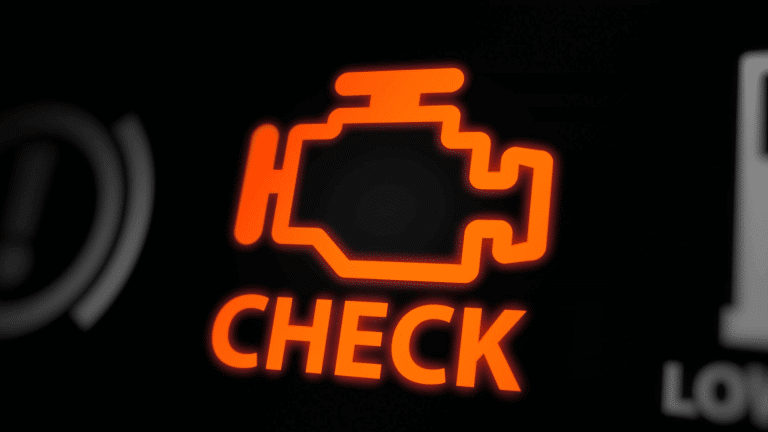
A flashing check engine light can catch you off guard, especially when your car seemed fine just moments before.
Should you keep driving or pull over right away? This confusion is common for many drivers, and ignoring the light can lead to serious problems that affect both safety and repair costs.
A flashing light usually signals an active issue that needs quick attention to prevent further damage.
Understanding what this warning means helps you respond the right way and protect your vehicle from costly damage and unexpected breakdowns.
In this blog, you will learn what a flashing check engine light indicates, why it happens, and the steps you should take when it appears.
What Does a Flashing Check Engine Light Mean?
A flashing check engine light is a warning that something serious is happening with your vehicle right now.
It is different from a solid check engine light, which usually points to a non-urgent issue.
When the light flashes, the engine is often misfiring, meaning fuel is not burning the right way. This can quickly damage important parts like the catalytic converter.
The car may feel rough, shake, lose power, or hesitate when you press the gas.
In some cases, it may still drive, but that does not mean it is safe to continue. A flashing light is the vehicle’s way of telling you to act fast.
Ignoring it can lead to costly repairs and long-term engine damage.
Common Causes of a Flashing Check Engine Light
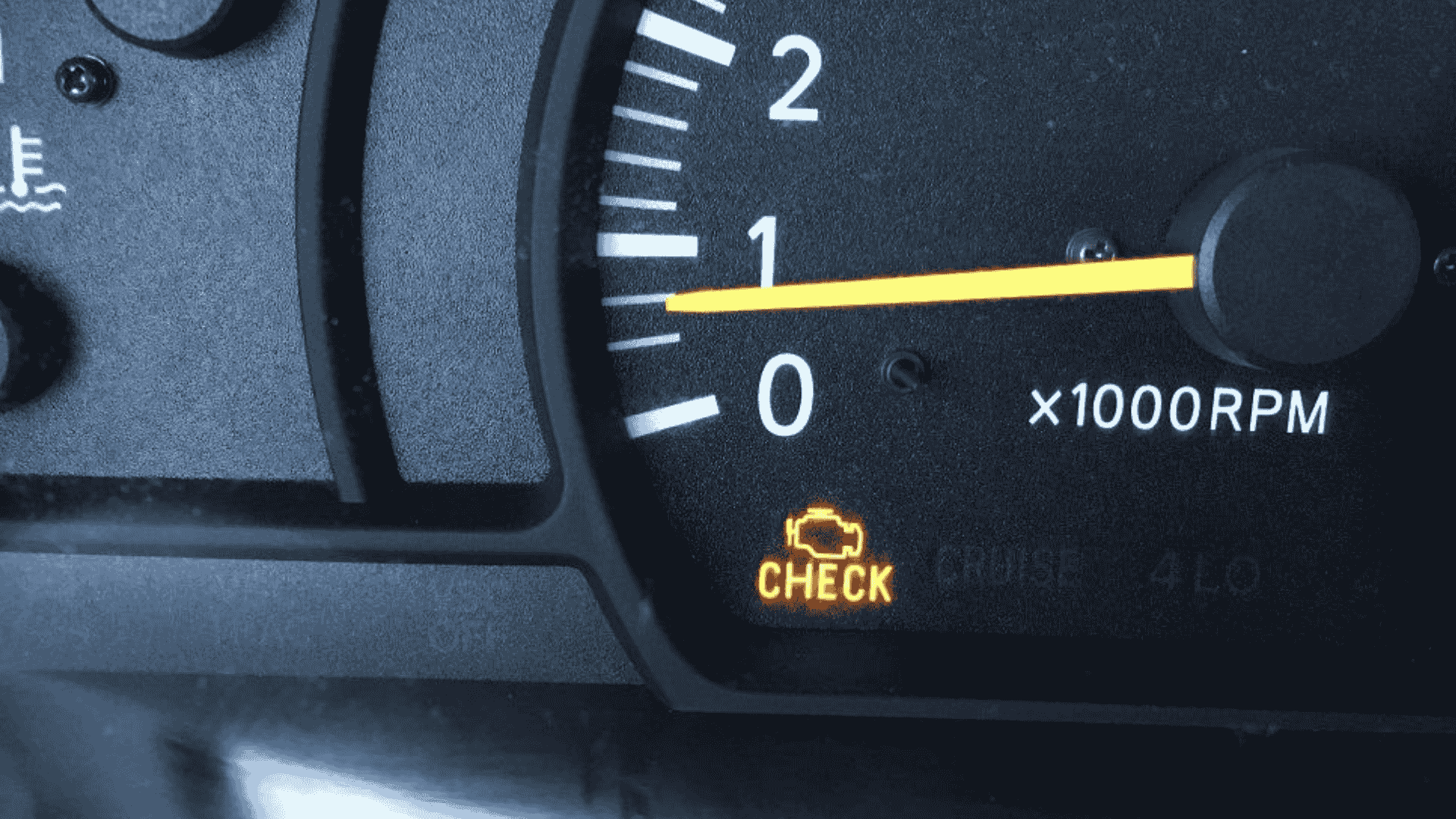
This section explains the most common reasons a check engine light starts flashing. Each cause below shows how small issues can quickly turn serious.
1. Engine Misfire
An engine misfire happens when one or more cylinders fail to burn fuel the right way.
This can occur due to bad fuel flow or air issues. When fuel does not burn fully, raw fuel can enter the exhaust system, creating extra heat and stress.
The vehicle triggers a check engine light as a warning, and you may notice shaking, rough idling, or loss of power while driving.
2. Faulty Spark Plugs or Ignition Coils
Spark plugs and ignition coils play a key role in starting combustion inside the engine.
Over time, spark plugs can wear out or become dirty, and ignition coils can also weaken or fail. When this happens, the spark becomes weak or inconsistent.
Fuel may not ignite properly, leading to misfires. Poor acceleration and rough running are common signs.
3. Fuel System Problems
The fuel system delivers the right amount of fuel to the engine at the right time.
If fuel injectors become clogged or fail, fuel flow can become uneven. Low fuel pressure or a failing fuel pump can also cause trouble.
When the engine does not get enough fuel, combustion becomes unstable. This can lead to misfires and rough performance.
4. Emissions System Issues
The emissions system helps reduce harmful gases before they leave the exhaust.
A key part of this system is the catalytic converter. When repeated misfires occur, unburned fuel can enter the converter.
This flashing check engine light warning tells you the problem needs fast repair to protect the emissions system and engine.
What to Do When the Check Engine Light is Flashing?
This section covers quick and simple steps to follow when the check engine light starts flashing.
Taking action early helps reduce damage and keeps repair costs lower.
- Reduce Speed and Engine Load: Slow down and ease off the gas right away. Lower engine strain can help limit misfires.
- Pull Over if the Vehicle Runs Rough: Stop driving if the car shakes, stalls, or loses power.
- Avoid Hard Acceleration or Heavy Driving: Do not tow, race, or drive uphill if possible. An extra load can make the problem worse very fast.
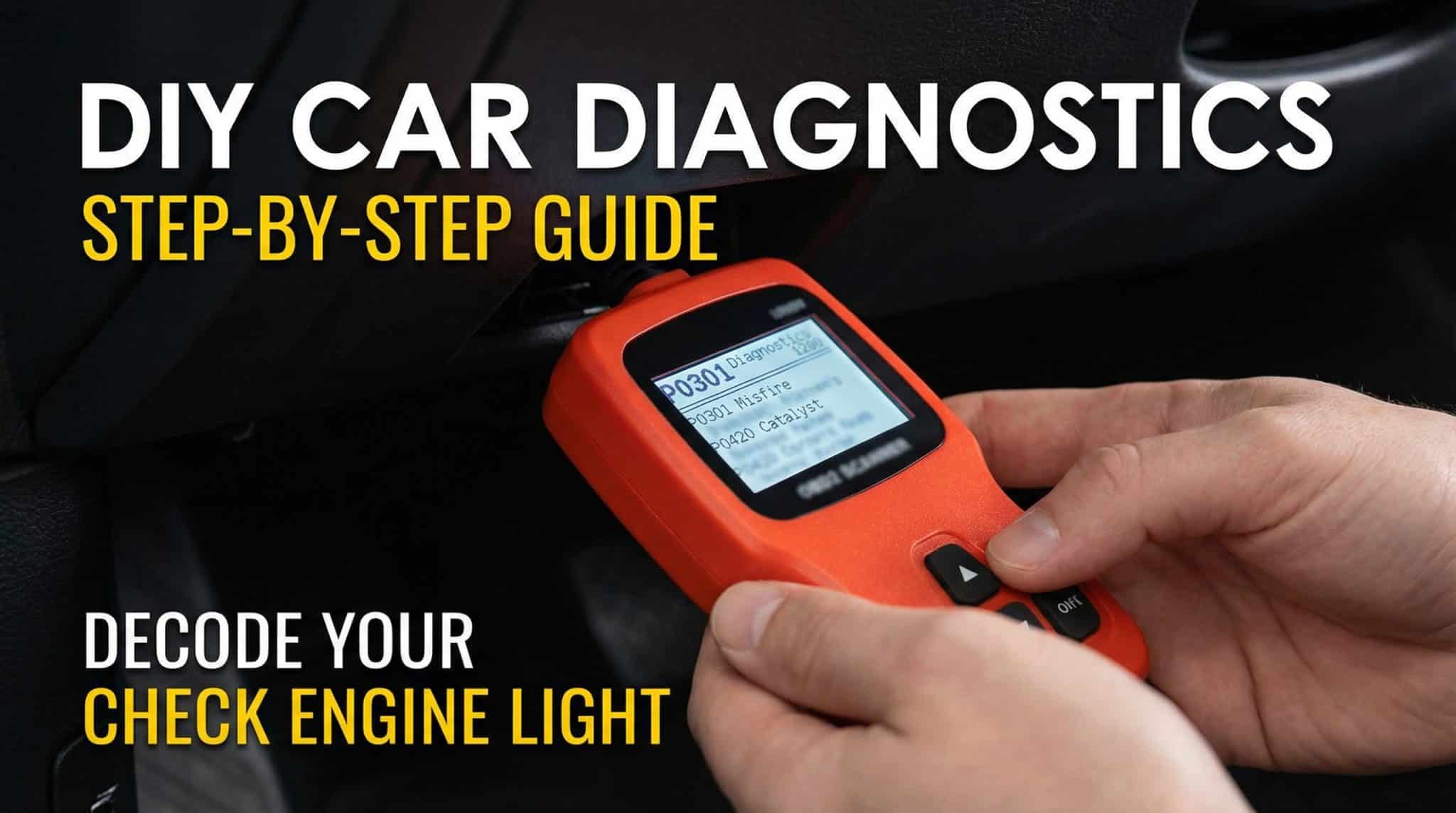
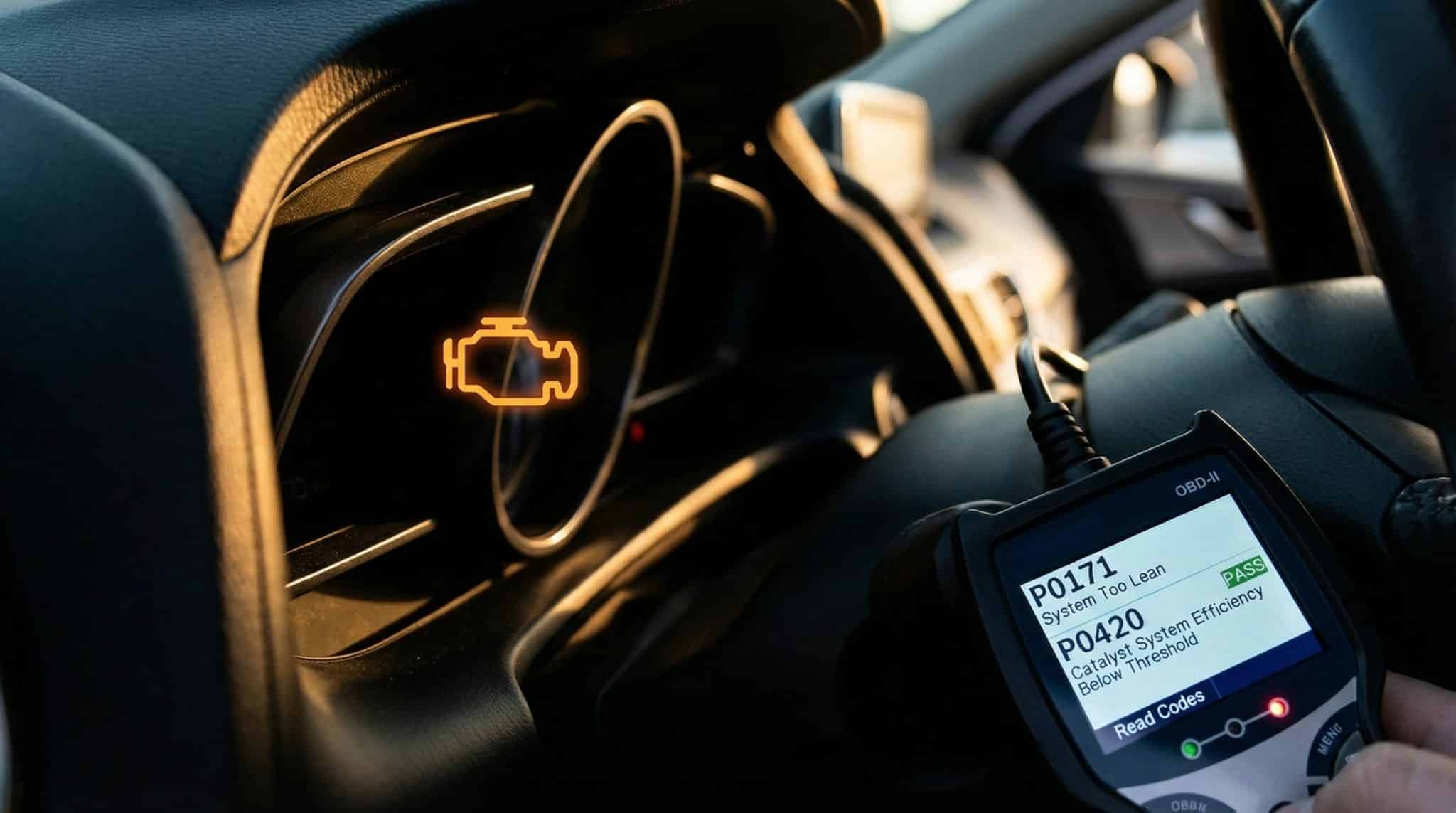
- Get a Diagnostic Scan: A scan tool reads engine codes from the vehicle computer. These codes help identify the issue.
- Visit a Mechanic Quickly: Quick repairs help prevent bigger engine problems. Waiting too long can lead to costly damage.
Flashing vs Solid Check Engine Light
Knowing the type of check engine light matters more than many drivers realize. It helps you understand which warning needs immediate action and which can wait.
| Warning Type | Flashing Check Engine Light | Solid Check Engine Light |
|---|---|---|
| What It Means | Serious active engine issue | Minor or stored engine issue |
| Urgency | Needs immediate attention | Can usually wait |
| Driving Safety | Not safe to continue driving | Often safe for short drives |
| Risk of Damage | High risk if ignored | Lower risk if delayed |
| Recommended Action | Stop driving and see a mechanic | Schedule a check soon |
Is It Safe to Drive With a Flashing Check Engine Light?
Driving with a flashing check engine light is risky and should be avoided whenever possible.
This warning means the engine has an active problem, often a misfire, that can cause damage.
If you keep driving, unburned fuel may enter the exhaust system and overheat the catalytic converter.
This part is expensive to repair and can fail fast. You should stop driving right away if the car shakes, loses power, stalls, or smells unusual.
These signs show the problem is getting worse, and in some cases, driving a very short distance at low speed may be needed to reach a safe place.
Ignoring a check engine light can turn a small repair into major engine damage.
Possible Repair Costs to Expect
Repair costs tied to a flashing check engine light depend on the exact cause and how quickly the issue is fixed.
Spark plug replacement is usually the least expensive repair. For most cars, it costs between $100 and $500, including parts and labor.
Ignition coil repairs are more costly and often range from $200 to $800 per coil.
Catalytic converter damage is the most expensive issue to fix. Replacement costs often fall between $1,000 and $3,000, with higher prices for newer or luxury vehicles.
Labor costs can be higher in busy or urban areas. Fixing problems early helps avoid towing fees and keeps repair costs from rising fast.
Tips to Prevent a Flashing Check Engine Light
These tips focus on simple habits that help keep your engine running smoothly. Regular care and early attention can reduce the risk of serious engine warnings.
- Follow Regular Maintenance: Routine service prevents small issues from turning into serious and costly problems.
- Replace Spark Plugs on Time: Fresh plugs ensure combustion and reduce the risk of misfires.
- Watch Early Warning Signs: Rough idling or power loss often signals problems needing quick attention.
- Use Quality Fuel and Parts: Good fuel and parts help engines run cleaner and reliably.
- Fix Issues Quickly: Early repairs stop small engine problems from causing major damage later.
Conclusion
A check engine light can feel stressful, but understanding what it means makes a big difference.
It is not just a warning to notice later, but it is your vehicle asking for quick attention. Acting early can help protect your engine and keep you safe on the road.
Simple steps like slowing down, getting a scan, and fixing small issues fast can go a long way.
Regular care also plays a big role in preventing this problem from happening in the first place.
If you have seen a flashing check engine light before, you are not alone. Every driver faces it at some point.
I’d love to hear your experience. What caused it, and how did you handle it? Share your story or tips in the comments below.
Frequently Asked Questions
Can a Flashing Check Engine Light Reset Itself?
The light may stop flashing if driving conditions briefly improve, but the underlying problem usually remains and still needs proper repair.
Will Disconnecting the Battery Reset the Check Engine Light?
Disconnecting the battery may temporarily turn off the light by resetting the vehicle computer. However, it does not fix the actual problem.
Why is the Flashing Check Engine Light on, But the Engine is Not Overheating?
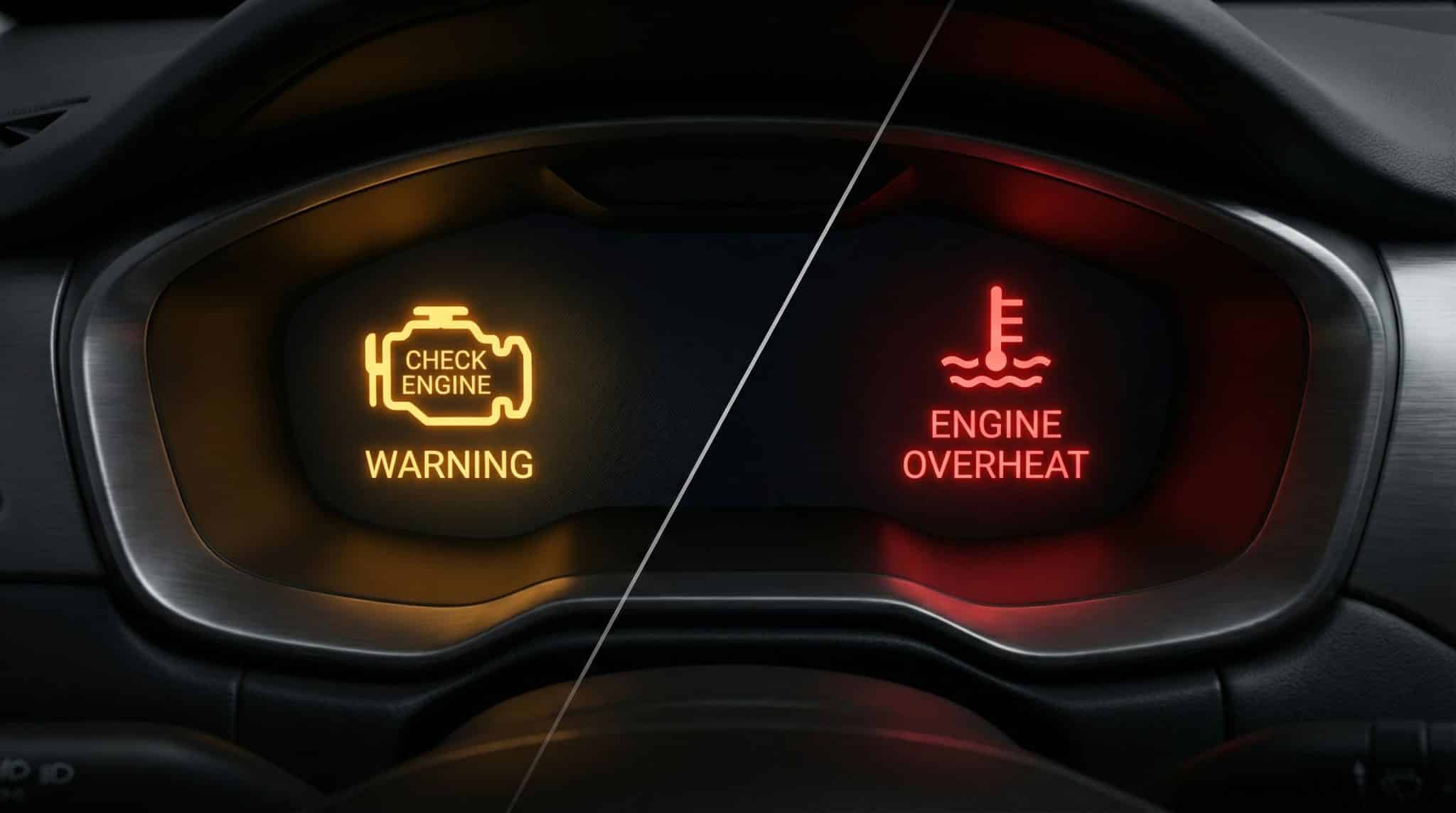
A check engine light usually points to engine misfires or combustion issues, not temperature problems. Overheating relates to the cooling system instead.