
The first time I thought about window tint, I only noticed how different cars looked in a parking lot.
Some had dark windows that felt private, while others looked almost clear but still seemed comfortable inside. That’s when I realized window tint isn’t just about looks.
It changes how a car feels on a hot day, how much glare hits your eyes, and how relaxed driving can be.
Window tint percentages help explain those differences. They show how much light passes through the glass and how dark the window will appear.
Understanding this helps in choosing a tint feel much easier, and in this blog, I’ll walk through the most common tint percentages, how they look, and what they work best for.
What Is Window Tint Percentage?
Window tint percentages refer to how much visible light can pass through a window. This is called Visible Light Transmission, or VLT.
A higher percentage means more light gets through, while a lower percentage means less light passes through, and the window looks darker.
For example, a 70% tint lets in most light, while a 20% tint blocks much more light.
Lighter tints keep the view clear and reduce UV rays, while darker tints add more privacy and cut down glare and sunlight.
Many people think a darker tint always gives better protection, but that is not true.
Even light tints can block UV rays well. The right tint depends on comfort, visibility needs, and local rules.
Common Window Tint Percentages & Its Visibility
Window tint comes in several percentage levels, and each one changes how a vehicle looks and feels. These options are popular because they balance visibility, privacy, and comfort.
1. 90%–70% Window Tint
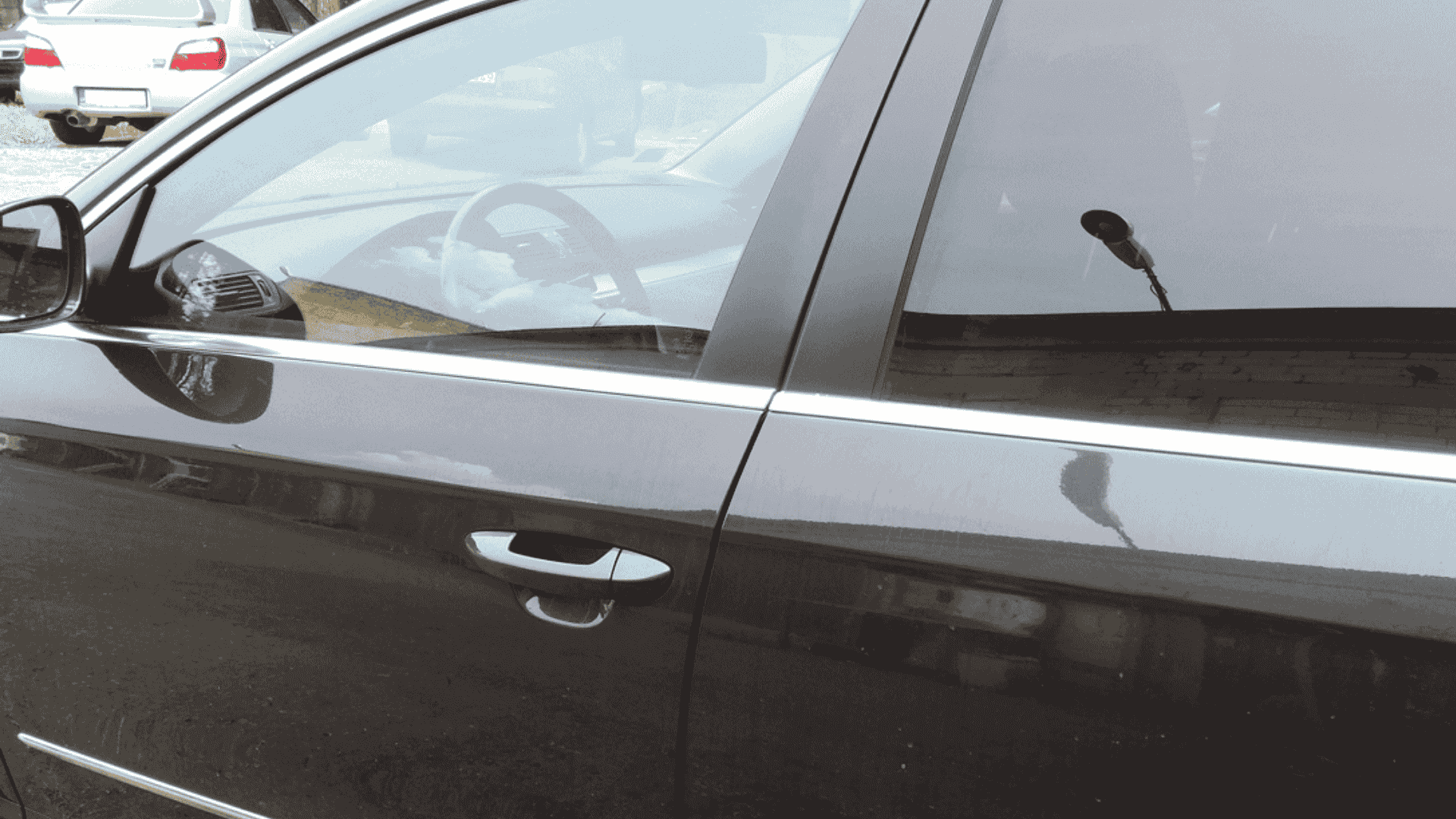
This tint range looks very light and almost clear from both inside and outside. Visibility stays high during the day and night, making it easy to drive in all lighting conditions.
These window tint percentages are often chosen for UV protection without changing the look of the glass.
They help block harmful rays while keeping the cabin bright. The main benefit is comfort and safety, especially for night driving.
The downside is limited privacy and glare control compared to darker tints. This option works well for drivers who want protection without dark windows.
2. 50% Window Tint
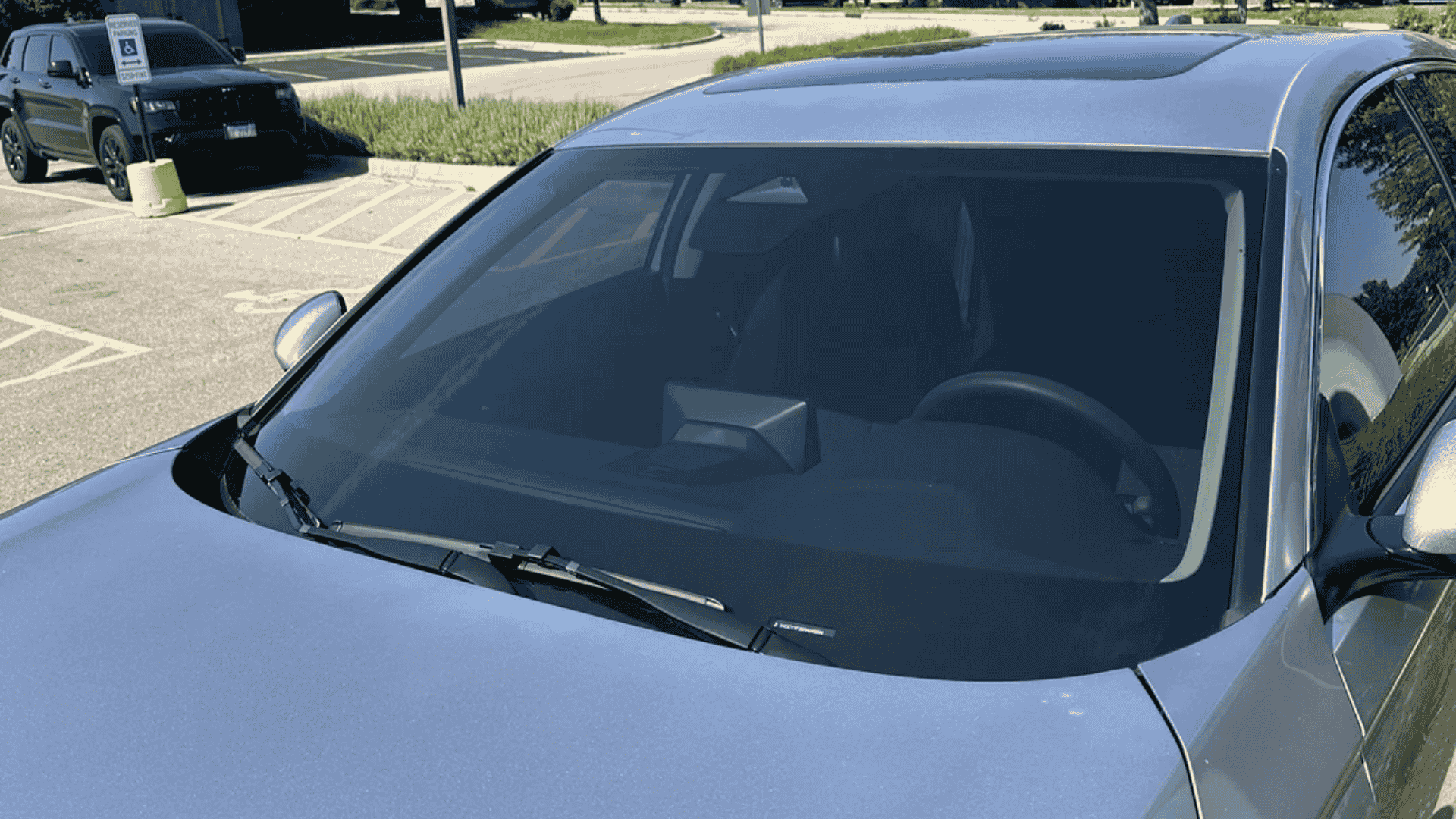
50% tint offers a balanced look that slightly darkens the glass without blocking too much light.
It provides mild privacy while keeping visibility clear during both day and night driving. Many drivers choose this level because it reduces glare without feeling too dark.
These tint percentages work well for daily use and mixed driving conditions.
While privacy is limited, the tint still improves comfort and is a safe choice for drivers who want a subtle change and good visibility.
3. 35% Window Tint
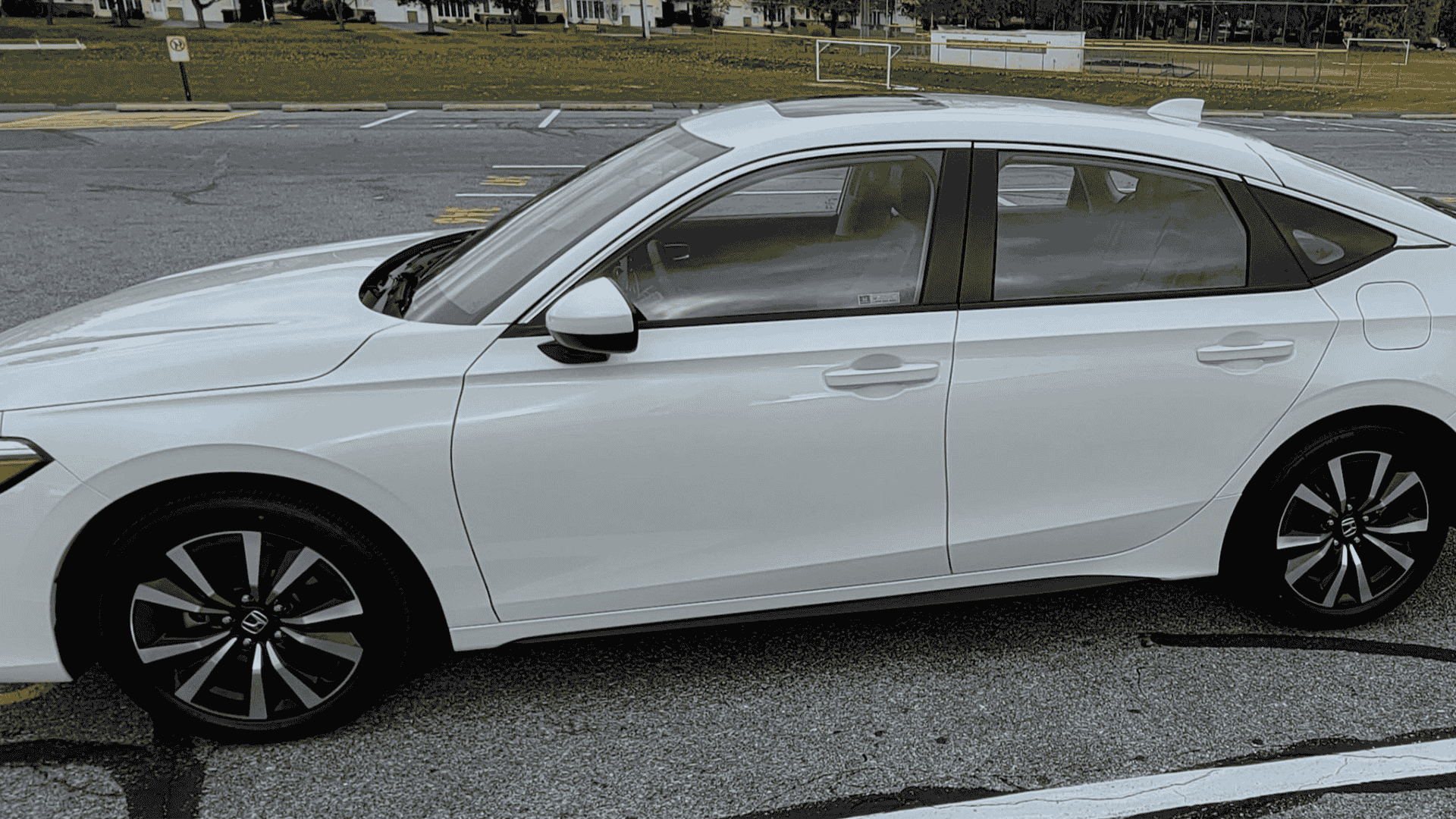
35% tint is one of the most common choices for cars; it gives noticeable privacy while still allowing good outward visibility.
These window tint percentages also add a clean, darker look without being extreme.
Many drivers like the balance between style and function. However, legal limits vary by location, especially for front windows.
Always check local laws before choosing this option. It is popular because it fits both appearance and everyday driving needs.
4. 20% Window Tint
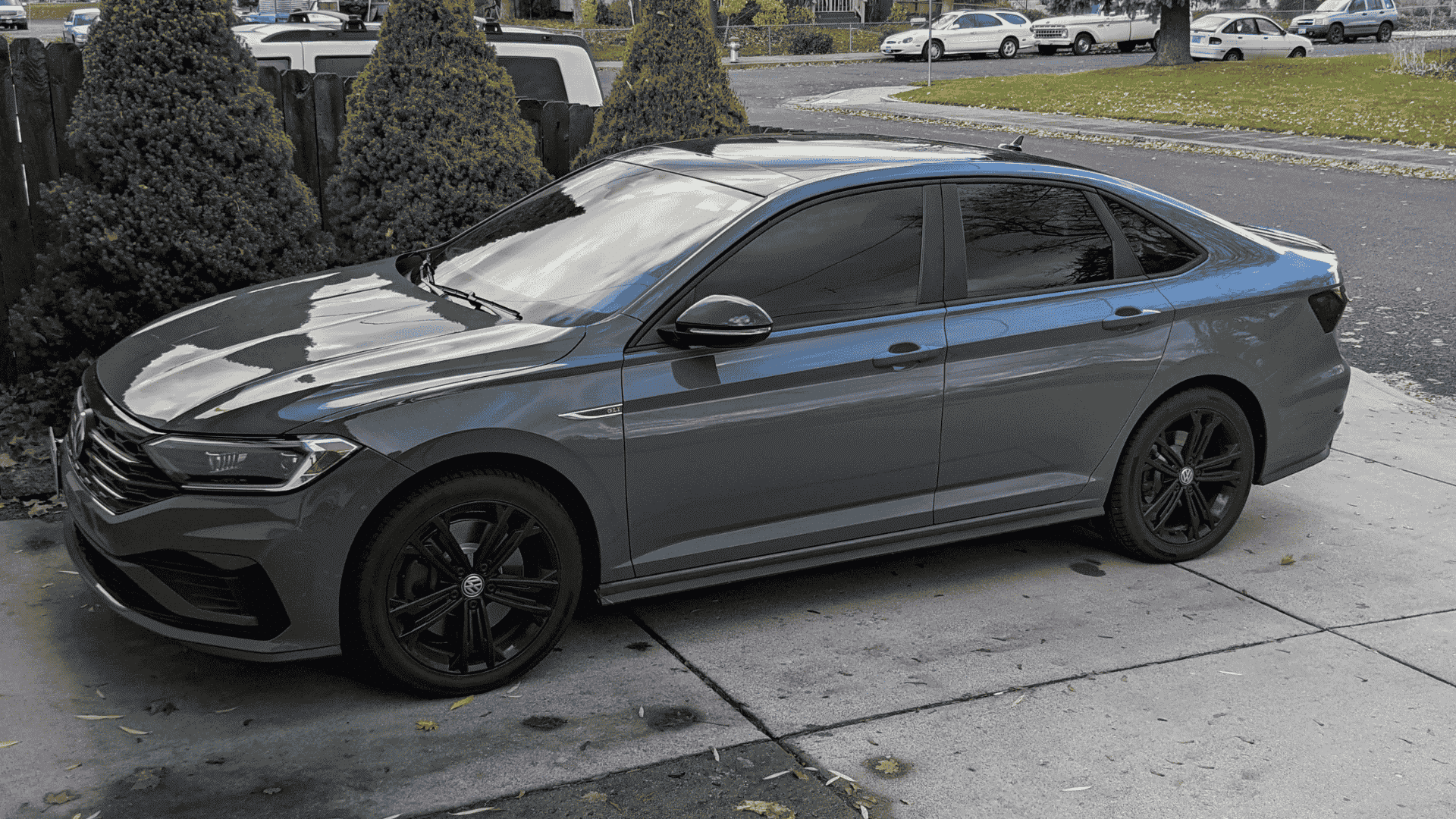
20% tint looks dark from the outside and offers strong privacy. It blocks a large amount of sunlight, helping reduce heat and glare inside the vehicle.
These tint percentages are often chosen in hot climates or for drivers who value privacy.
During the day, visibility is manageable, but night driving can be harder, especially in poorly lit areas.
Extra caution is needed when backing up or changing lanes at night. This tint provides comfort and style but may not be legal everywhere, so regulations should be checked first.
5. 5% (Limo Tint)
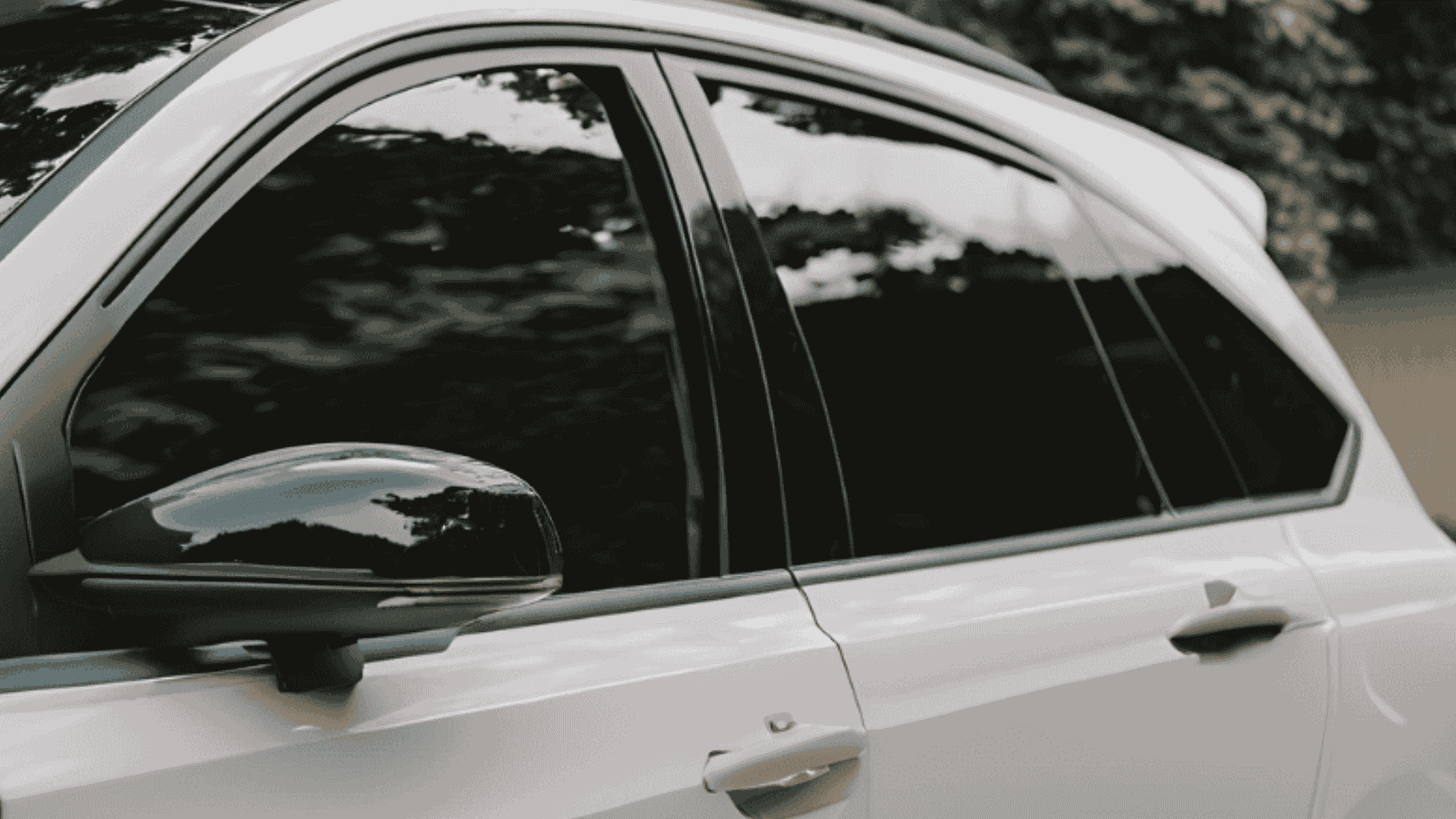
5% tint is extremely dark and allows very little light to pass through. It offers maximum privacy and is often used on limousines, vans, or rear windows of vehicles.
These window tint percentages block heat and glare very well, keeping interiors cool.
However, visibility from inside is very limited at night, which can be unsafe for driving. This tint is usually restricted or illegal for front windows in many states.
It is best suited for non-driving windows or vehicles focused on privacy rather than daily driving safety.
6. 0% Window Tint
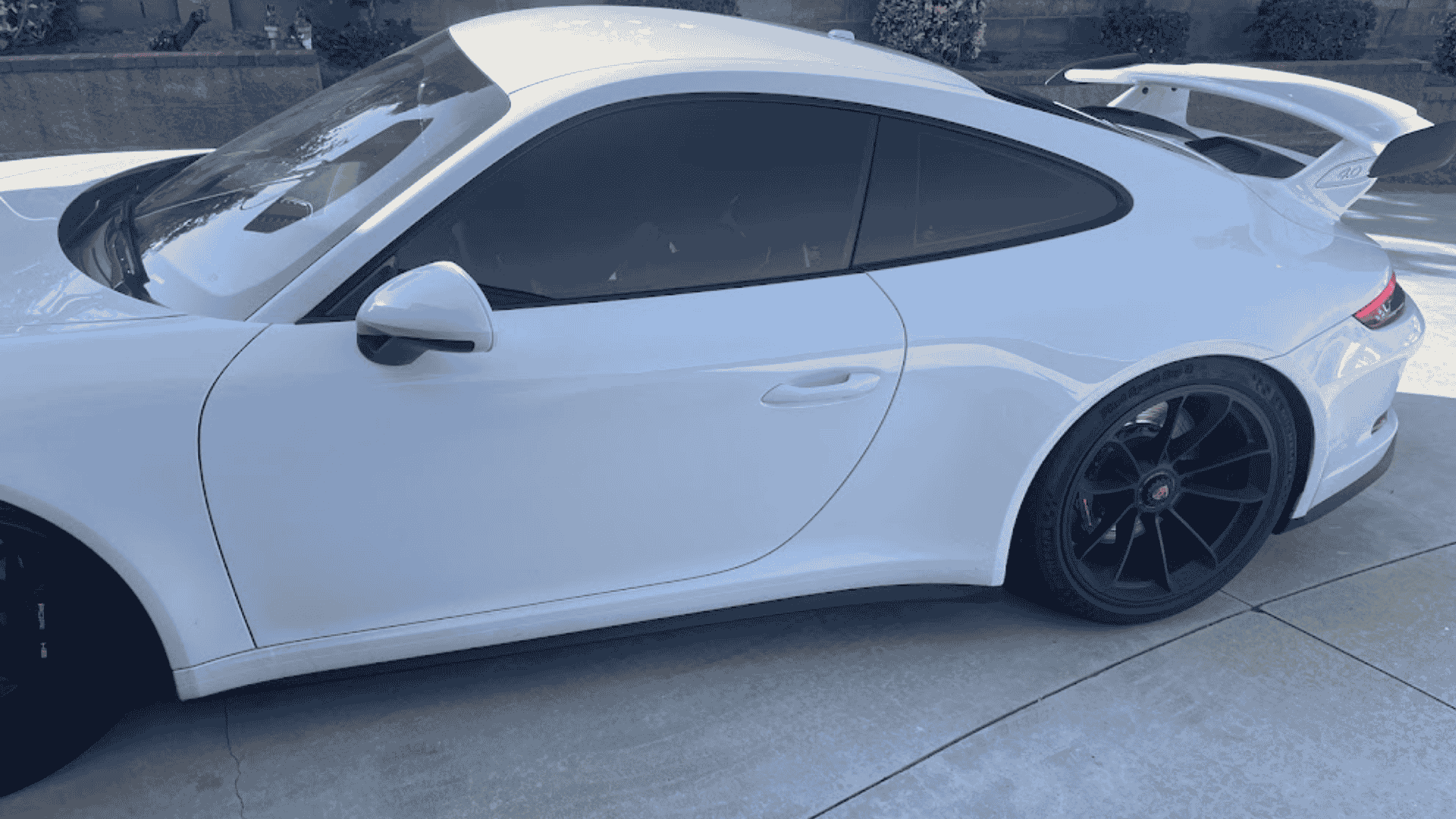
0% window tint blocks all visible light and does not allow any visibility through the glass.
This level creates a fully blacked-out appearance from both the inside and outside. There is no outward visibility, even in bright daylight, which creates serious safety risks.
This tint is sometimes used for display vehicles, privacy panels, or special-purpose applications where visibility is not required.
In most areas, 0% tint is illegal on any driving window because it makes driving impossible.
Window Tint Percentages Comparison Chart
Keep in mind that heat control also depends on the film type. Ceramic films can block heat well, even at lighter tint percentages. Always check local laws before choosing a tint.
| VLT % | Visibility | Privacy | Heat Rejection | Overall Look |
|---|---|---|---|---|
| 5% | Very low, hard at night | Very high | High | Very dark |
| 20% | Fair, best in daylight | High | High | Dark and sleek |
| 35% | Good in most conditions | Medium | Good | Clean and balanced |
| 50% | Very clear | Low | Moderate | Light factory look |
| 70% | Almost clear | Very low | Low to moderate | Barely noticeable |
How Window Tint Percentages Are Measured?
Window tint percentages are measured using the Visible Light Transmission, or VLT, scale. This scale runs from 0% to 100% and shows how much light passes through the glass.
The standard way to measure this is with a handheld tint meter, a simple device that shines a controlled light beam through the glass from one sensor to another and calculates the VLT.
This accounts for both the factory glass (often 70-80% VLT) and added film by multiplying their values.
For example, 80% glass with 35% film yields about 28% total VLT.
Professionals and police use these meters for accuracy, ensuring compliance with state laws that regulate tints for safety.
Factory tint is built into the glass and usually only darkens the window slightly. It does not block much heat or UV light.
Aftermarket tint is a film added to the glass and offers better heat and UV protection.
How to Choose the Right Window Tint Percentage?
Choosing the right window tint depends on daily use, comfort, and local conditions. These points help narrow down window tint percentages quickly and clearly.
- Driving habits: Frequent night driving works better with lighter tint percentages, while daytime driving can handle darker options.
- Privacy vs visibility: Darker tint percentages add privacy, while lighter ones keep visibility clear.
- Climate and sun exposure: Hot climates benefit from lower tint percentages that reduce heat and glare.
- Legal limits: Local laws set limits on tint percentages on windows. Always check regulations before choosing a tint.
- Personal style: Some drivers prefer a subtle look, while others want a darker appearance. The tint percentages help match comfort with personal taste.
Real User Reviews of Window Tints
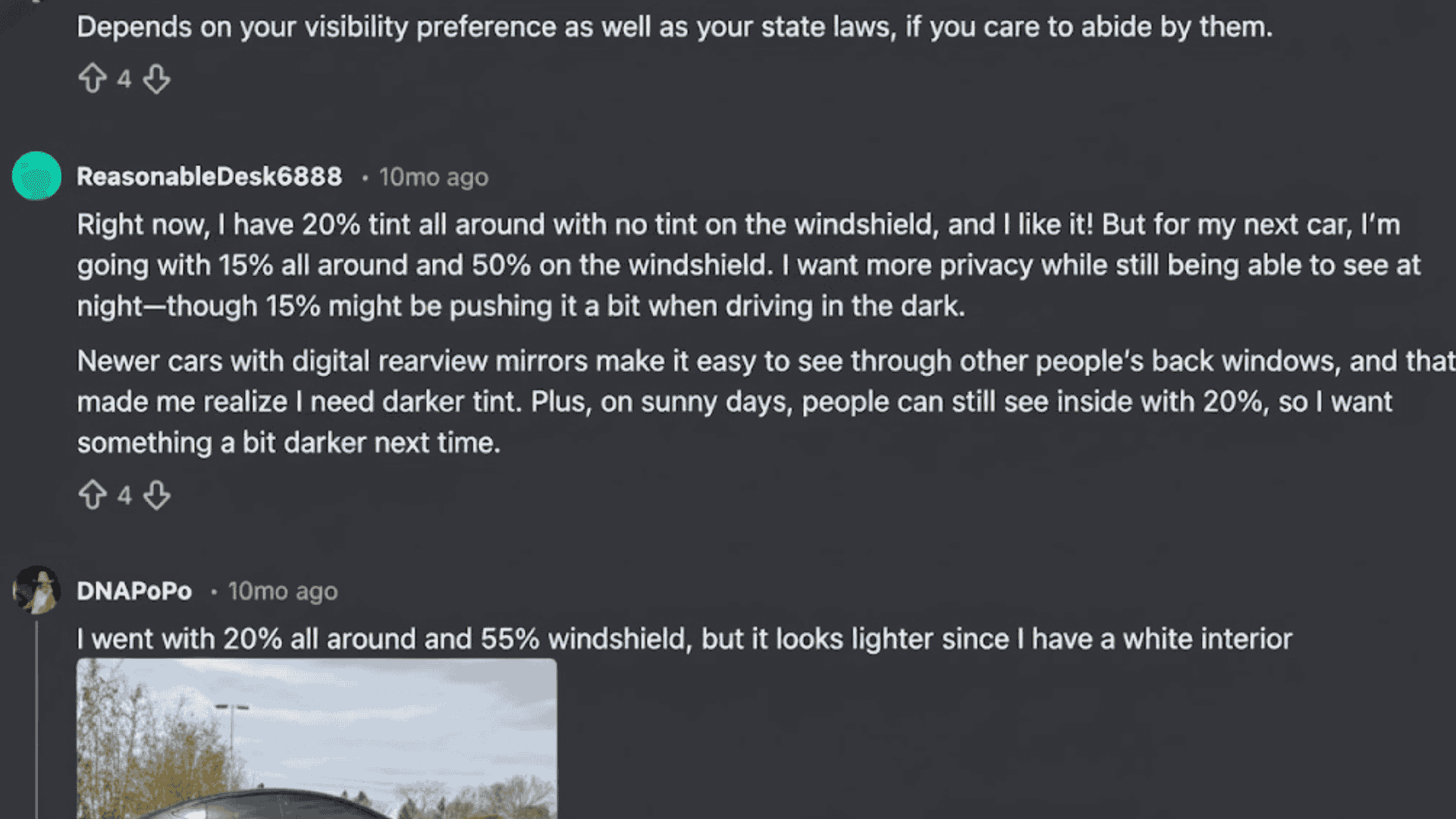
Redditusers agree that there is no one-size-fits-all for window tint percentages. Most say it comes down to visibility, privacy, and local laws.
A very common setup shared is 20% on the side and rear windows with either no windshield tint or a light 50–70% tint for heat control.
Many users feel 20% still looks light during sunny days, especially with lighter interiors.
For drivers who want maximum privacy, several Redditors recommend 5% on the sides and rear, paired with a 35–50% windshield.
However, they also warn that a darker tint can be harder to see through at night.
Overall, Reddit advice leans toward going slightly darker than you think, while staying mindful of night driving and state laws.
Window Tint Laws and Legal Limits
Window tint laws exist primarily for safety, ensuring drivers and others can see inside vehicles during accidents or traffic stops to assess threats.
Laws vary widely by location, where states set their own VLT limits, front side windows often require 70% VLT or higher (light tint), while rear windows allow darker shades like 20-50% VLT.
These regulations prevent overly dark window tint percentages that balance privacy with safety.
Factors like vehicle type (sedan vs. SUV) and medical exemptions influence rules. For example, California mandates 70% on front sides, but Florida permits 28%.
Before installing tint, check local regulations by visiting your state’s DMV website, using apps like “Tint Laws by State,” or consulting certified installers.
Get a pre-install meter test and carry exemption certificates if needed to avoid fines up to $500 or required removal.
Common Mistakes When Choosing Window Tint
Choosing window tint can be simple, but small mistakes often lead to poor visibility or legal issues. The points below highlight common errors to avoid when selecting window tint percentages, making the choice safer and more practical.
- Choosing based on looks alone: Darker tint percentages may look good, but can reduce visibility and comfort.
- Ignoring night visibility: Very dark tint percentages make night driving harder, especially in low-light areas.
- Overlooking local laws: Each area has legal limits for tint percentages on windows, and ignoring them can lead to fines.
- Not considering windshield limits: Windshields usually allow lighter tint percentages on windows than side or rear windows.
- Assuming darker means better protection: Light tint percentages can still block UV rays when quality film is used.
Conclusion
Window tint percentage plays a big role in how comfortable, safe, and practical a vehicle feels every day.
The right tint controls light, reduces glare, and helps manage heat without making driving harder.
Choosing the wrong level can affect visibility, especially at night, or lead to legal issues.
That’s why it’s important to understand how different window tint percentages look and perform before making a decision.
When choosing a tint, think about driving habits, local weather, and legal limits in your area.
Balance privacy with clear visibility, and remember that film quality matters just as much as darkness. A smart choice improves comfort while keeping safety first.
Have you used window tint before, or are you planning to install one? Share your experience and thoughts in the comments below.