
I’ve learned that wheel balancing and wheel alignment are two important things that help my car drive safely and smoothly.
For a long time, I thought they were the same thing, but I eventually discovered they do very different jobs.
Many drivers get them mixed up, and I did too, until I took the time to understand how each one works.
This helps stop the steering wheel from shaking, especially at higher speeds, and keeps my tires from wearing out too quickly.
Wheel alignment, on the other hand, is about making sure my wheels are set at the right angles. This helps my car steer straight, take turns smoothly, and even use less fuel.
In this blog, I’ll share what I’ve learned about wheel alignment and balancing, how they differ, and how each one affects the way my car drives.
By the end, you’ll know when to get each service done and why both matter for safety, comfort, and savings.
What is Wheel Balancing?
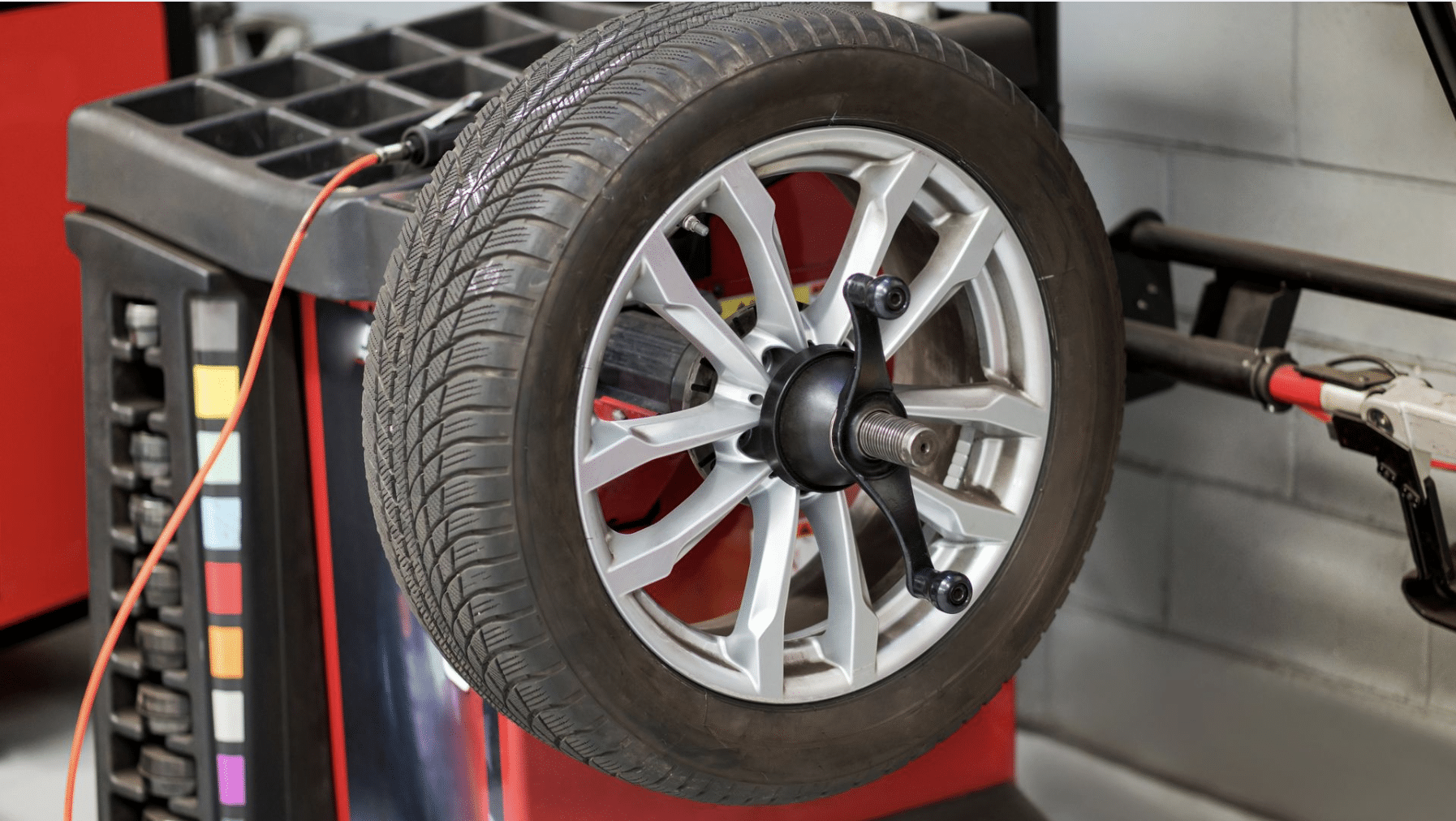
Wheel balancing is the process of making sure the weight of the tire and wheel is spread out evenly around the axle.
When the weight is not balanced, certain spots on the wheel become heavier, which can cause shaking and other problems while driving.
To balance a wheel, mechanics use a special balancing machine.
The wheel is placed on the machine, which spins it to find the heavier spots. Small metal weights are then added to the rim to even out the weight.
Wheel balancing is needed when there are signs like the steering wheel vibrating at certain speeds, uneven tire wear, or a noisy ride. These problems can get worse over time if ignored.
The benefits of wheel balancing include a smoother ride, longer-lasting tires, and less strain on the car’s suspension system.
It also helps improve driving comfort and safety, especially at higher speeds.
What is Wheel Alignment?
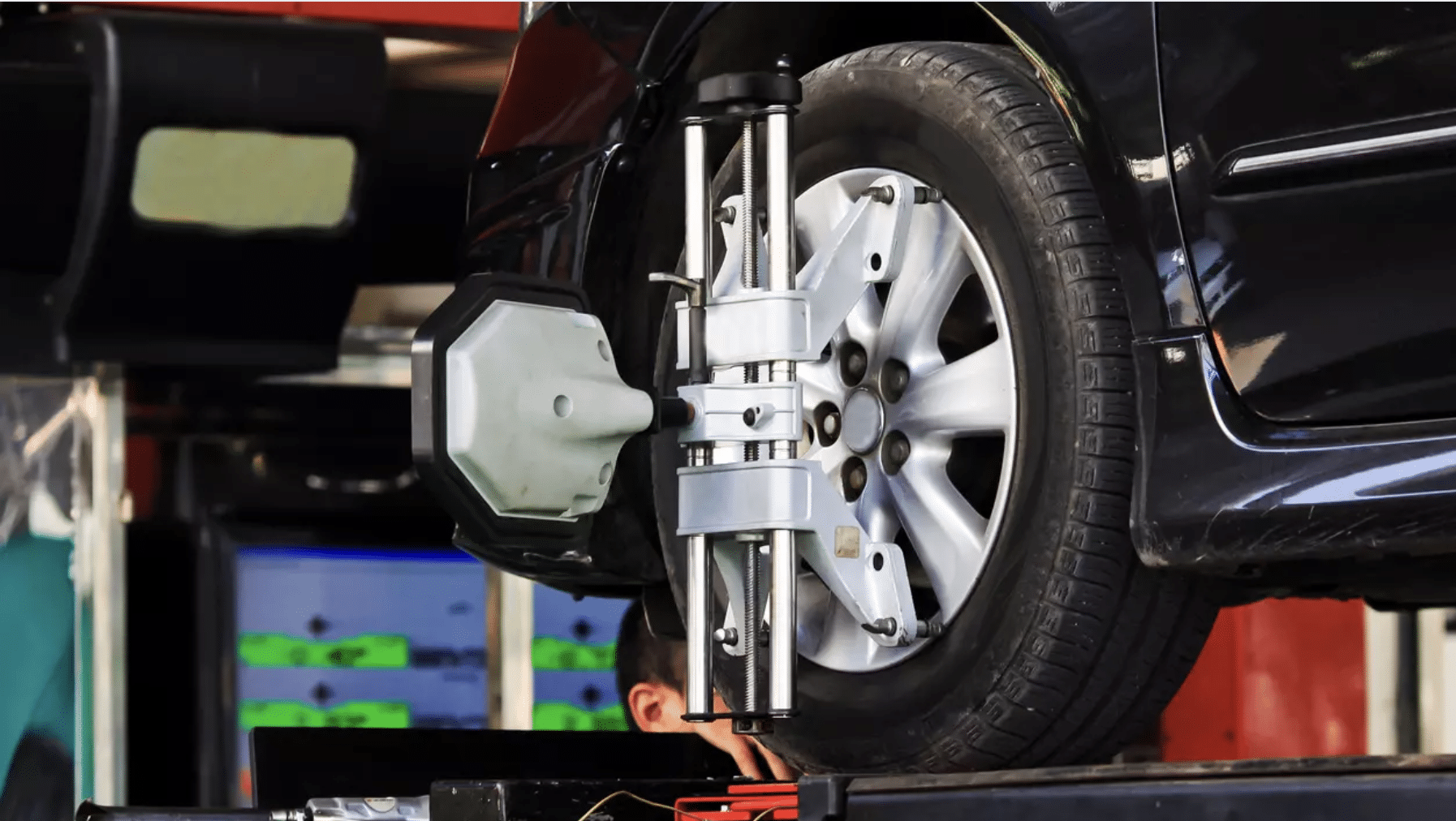
Wheel alignment is the process of adjusting the angles of the wheels so they match the car maker’s original settings.
This makes sure all four wheels work together correctly, and the car drives straight. The key angles involved are:
- Camber: The inward or outward tilt of the wheel.
- Toe: The direction the wheels point compared to each other.
- Caster: The angle of the steering axis, which affects stability.
Wheel alignment is needed when the car pulls to one side while driving, the tires wear unevenly, or the steering wheel feels off-center.
The benefits of proper wheel alignment include better handling, smoother steering, improved fuel efficiency, and longer tire life.
Differences Between Tire Balancing vs Wheel Alignment
Wheel balancing and wheel alignment are both important for smooth driving. They fix different problems, but both help your car handle better and keep tires in good shape.
| Aspect | Wheel Balancing | Wheel Alignment |
|---|---|---|
| Purpose | Spreads tire weight evenly. | Sets the wheels at the correct angles. |
| Process | The machine adds small weights. | Adjusts suspension parts. |
| Signs You Need It | Shaking, uneven tire wear, noisy ride. | Car pulls, uneven tire wear, crooked steering. |
| Main Cause | Uneven tire weight or lost weights. | Hitting potholes or worn parts. |
| Safety | Reduces shaking and improves control. | Keeps the car steering straight. |
| Comfort | Smoother, quieter ride. | Easier, steadier steering. |
| Tire Effect | Tires wear evenly. | Stops one side from wearing faster. |
| How Often | More often, after new tires or vibration. | Every 1–2 years or after big bumps. |
| Cost | Cheaper and quicker. | Costs more and takes longer. |
How Does Each Affect Vehicle Performance?
Both wheel balancing and wheel alignment make a big difference in how a car drives. Each improves safety, comfort, and tire life in its own way.
Tire Balancing
- Reduces shaking at higher speeds: Balanced wheels spin evenly, so the steering wheel stays steady, especially on highways.
- Protects suspension parts: Less vibration means less stress on shocks, struts, bearings, and other suspension parts.
- Makes the ride smoother: Even weight distribution helps the car roll quietly and comfortably.
- Extends tire life: Balanced wheels prevent uneven wear, so tires last longer.
- Improves safety: A stable, vibration-free car is easier to control, even at high speeds.
Wheel Alignment
- Improves steering response: The car reacts better to steering inputs, making driving more precise.
- Prevents uneven tire wear: Proper angles help all parts of the tire wear evenly.
- Helps save fuel: Aligned wheels roll with less resistance, reducing fuel use.
- Boosts driving stability: The car stays straight without constant steering corrections.
- Protects suspension and steering parts: Proper alignment reduces stress on joints and bushings.
Tips for Maintaining Proper Wheel Balancing & Alignment
Keeping wheels balanced and aligned helps your car drive better and your tires last longer. A few simple habits can prevent most problems.
- Rotate tires regularly: This helps tires wear evenly and stay balanced for longer.
- Avoid potholes and curbs: Hitting them can throw wheels out of balance or alignment.
- Check tire pressure every month: Correct air pressure helps keep wheels rolling smoothly.
- Get checks during regular service: Ask the mechanic to check the balance and alignment during routine maintenance.
- Replace worn suspension parts: Bad shocks or bushings can cause balance and alignment issues.
- Watch for warning signs: Vibration, pulling to one side, or uneven tire wear mean it’s time for a check.
Conclusion
After learning more about wheel balancing and wheel alignment, I understand they may sound similar, but they do very different jobs.
Wheel balancing is all about making sure the tire and wheel weight is spread evenly so the car drives smoothly without shaking.
Wheel alignment focuses on setting the wheels at the right angles so the car drives straight, handles well, and doesn’t waste fuel.
I know now that both are important for keeping my car safe, comfortable, and performing at its best.
If I ignore either one, I could end up with uneven tire wear, poor handling, or even costly damage to suspension parts.
That’s why I make it a habit to get my wheels checked regularly, especially after changing tires, hitting a pothole, or noticing any unusual signs like vibration or pulling to one side.
Regular checks not only save me money in the long run but also give me peace of mind every time I’m on the road.