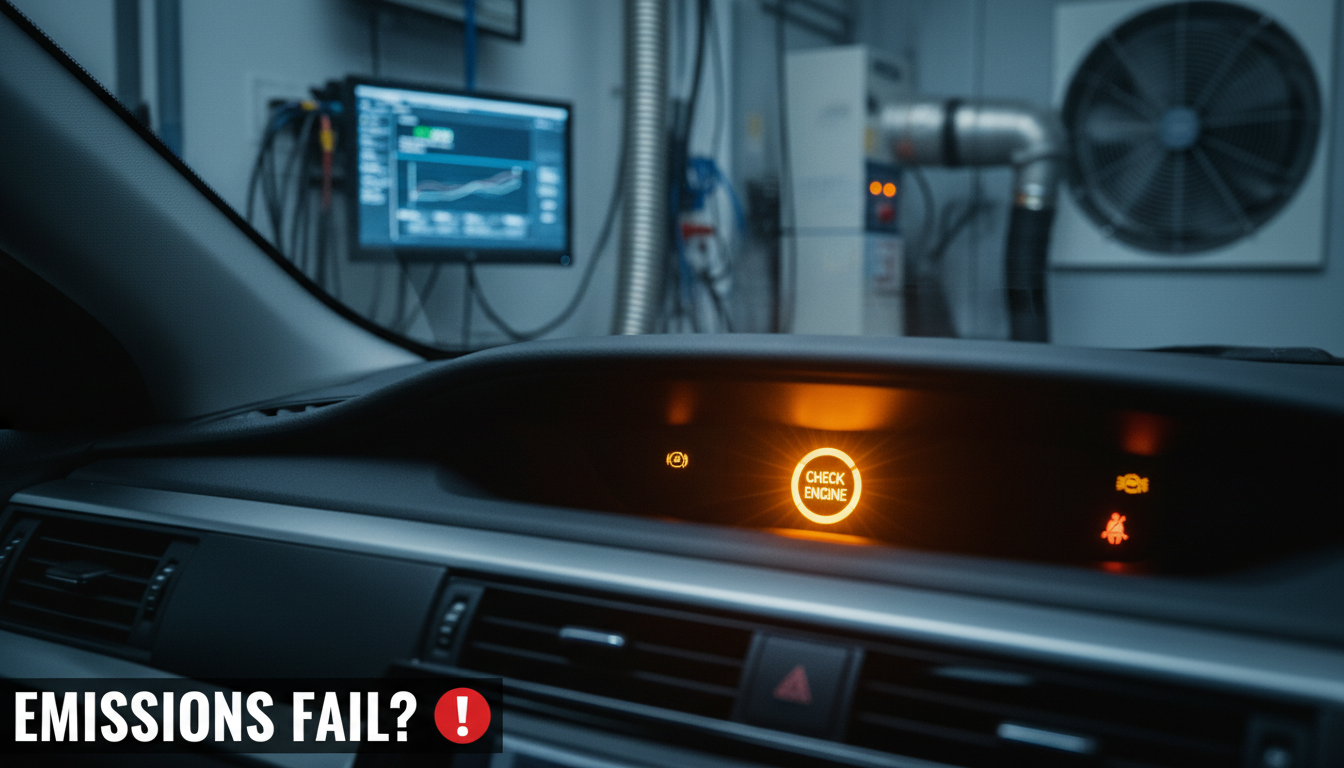

Seeing a warning light appear on the dashboard can stop you in your tracks, especially when the car seemed fine just moments before.
Any indicator light on the dashboard often raises questions because it does not clearly tell you what went wrong or how serious the problem is.
The malfunction indicator light does not shout, but it lingers, quietly asking for attention. It pushes you to listen closer, feel every vibration, and second-guess every sound.
This uncertainty can make even a short drive feel uncomfortable as drivers may start listening closely for odd sounds.
This blog is designed to clear that confusion by explaining what the light means, why it turns on, and what steps you can take next.
What is the Malfunction Indicator Light (MIL)?
This warning light on your dashboard alerts you when something is not working as it should in your vehicle’s engine or emissions system.
Many drivers also know it as the check engine light, since both usually serve the same purpose.
When this light turns on, it means the car’s computer has detected an issue that needs attention.
The MIL works with the vehicle’s onboard diagnostic system, also known as OBD. This system constantly checks sensors, engine parts, and emissions components while you drive.
If it notices a problem outside normal limits, it stores a code and turns the indicator light on to let you know.
What Does the Malfunction Indicator Light Imply on a Hyundai or Jeep?
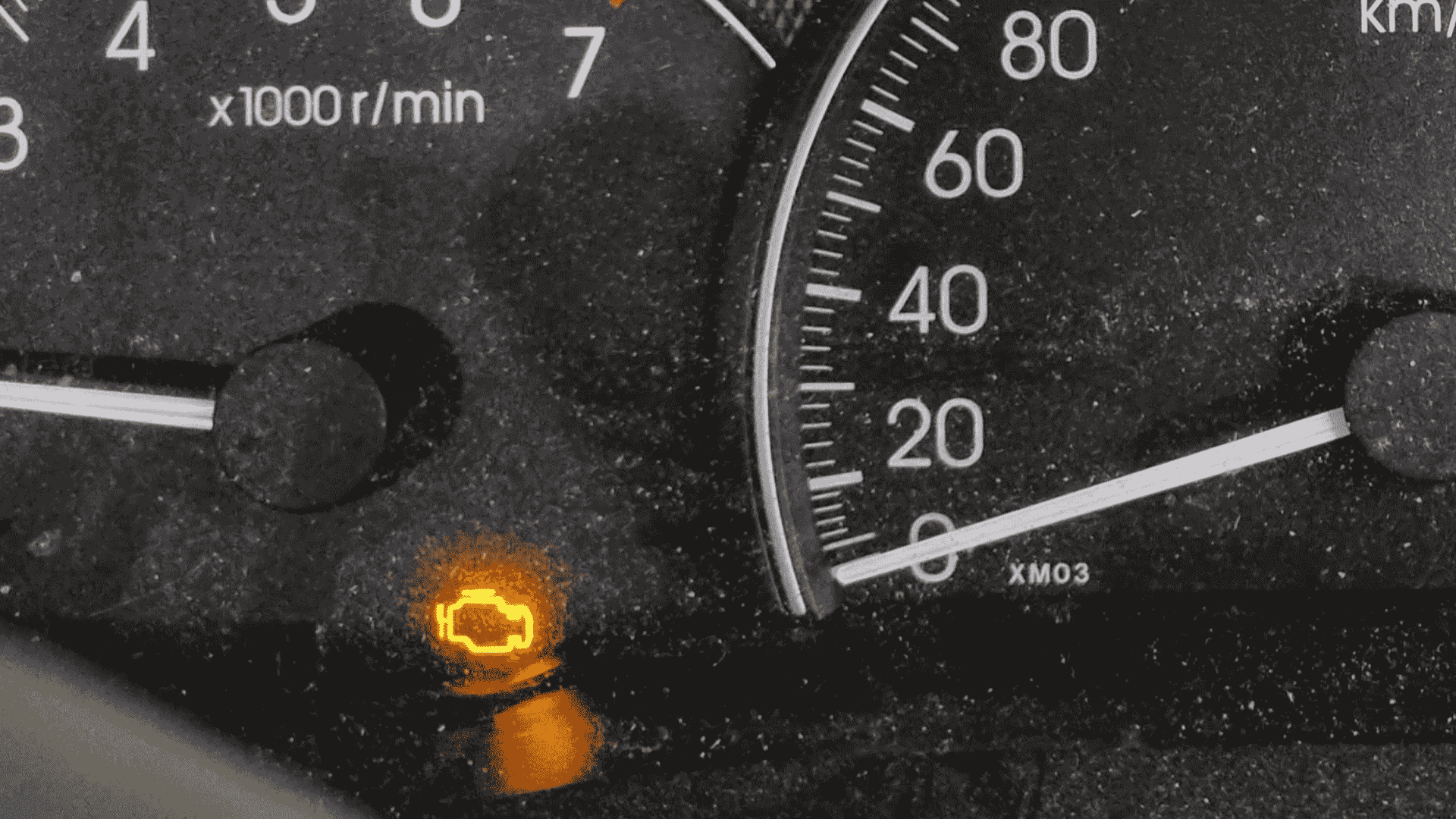
On Hyundai and Jeep vehicles, the MIL is used to warn about issues detected by the vehicle’s system. The core purpose is similar across brands; how the vehicle behaves can vary.
- Engine or emissions fault detected: On both Hyundai and Jeep vehicles, it means the system has found a problem affecting engine operation.
- Brand-specific system response: Hyundai models often focus on emissions and sensor-related alerts, while Jeep vehicles may also trigger the light for drivetrain.
- Steady light indication: A solid light on a Hyundai or Jeep usually signals a moderate issue but may allow limited driving.
- Flashing light warning: A blinking light on either brand points to a serious engine issue, commonly a misfire.
- Performance impact notice: When the light turns on, drivers may notice reduced power, poor fuel mileage, or uneven engine behavior.
Common Reasons the Malfunction Indicator Light Turns On
When a warning appears on your dashboard, it usually means the vehicle has detected something out of the normal range. It helps drivers catch small problems early on.
1. Loose or Damaged Gas Cap
When the cap is not sealed properly, fuel vapors can escape, which affects the emissions system.
The car’s computer notices this leak and turns the indicator light on. In many cases, tightening the gas cap until it clicks can solve the issue.
If the cap is cracked or worn out, replacing it is usually inexpensive and easy, and after fixing it, the light may turn off after a few drives.
2. Faulty Oxygen Sensor
The oxygen sensor measures how much oxygen is in the exhaust and helps the engine adjust the fuel mix. When this sensor fails, the engine may burn more fuel than needed.
This can lower fuel mileage and increase emissions, triggering the indicator light.
In a Hyundai malfunction indicator light situation, this issue is common as sensors age. A diagnostic scan can confirm the fault.
3. Engine Misfire
An engine misfire happens when fuel does not burn properly in one or more cylinders.
This can be caused by worn spark plugs, ignition coils, or fuel delivery problems. When a misfire occurs, the vehicle may shake, feel weak, or hesitate during acceleration.
The system detects this uneven performance and turns the indicator light on. If the light flashes, it often means the misfire is severe.
4. Emissions System Problems
Modern vehicles rely on several parts to control emissions, such as the catalytic converter and vapor control system.
If any of these parts stop working as expected, emissions can rise above normal levels. The computer then activates the Hyundai malfunction indicator light to warn the driver.
Emissions-related problems should be addressed early, since ignoring them may lead to failed inspections or more expensive repairs later.
5. Sensor or Wiring Issues
Vehicles use many sensors and wires to send information to the computer. If a sensor fails or a wire becomes loose, damaged, or corroded, incorrect data may be sent.
This can confuse the system and cause the indicator light to turn on even if the engine feels fine. These issues can be harder to spot without a scan tool.
A technician can trace faulty readings and repair the wiring or replace the sensor.
What to Do When the Malfunction Indicator Light Comes On?
Seeing a warning light can feel worrying, but taking the right steps early can prevent bigger problems. This indicator light is meant to guide you, not panic you.
- Check the gas cap first: A loose or damaged gas cap is a common cause of the indicator light, and tightening or replacing it may solve the issue.
- Pay attention to sounds or smells: Listen for knocking, hissing, or notice fuel or burning smells, as these signs can point to engine or emissions problems.
- Observe vehicle performance: Watch for shaking, poor acceleration, or rough idling, which can help identify how serious the warning may be.
- Note the light behavior: A steady light usually means a minor issue, while a flashing indicator light signals a more serious problem that needs quick attention.
- Get a diagnostic scan: Use a scan tool or visit a repair shop to read the error codes and find the exact cause before the issue worsens.
Can You Reset the Hyundai Malfunction Indicator Light?
Yes, it is possible, but not recommended at all. Seeing a warning stay on is a sign that it may be time for professional help.
You should see a mechanic if the indicator light stays on after basic checks, if the car runs rough, loses power, or if the light flashes.
In some cases, drivers try to reset the warning by disconnecting the battery or using a scan tool. This may work if the issue was minor and already fixed, such as a loose gas cap.
However, resetting will not solve ongoing problems. If the root cause is still present, the indicator light will turn back on after a short drive.
Clearing the light without repairs can also hide serious issues, which may lead to bigger damage and higher repair costs later.
Malfunction Indicator Light vs Check Engine Light
Both the indicator lights on the dashboard can often cause confusion because they look similar and serve a related purpose, and both warnings are connected to the same system.
| Feature | Malfunction Indicator Light | Check Engine Light |
|---|---|---|
| Meaning | Indicates the vehicle has detected an engine or emissions-related issue | Alerts the driver to engine, emissions, or performance-related problems |
| Common Usage | Often used in owner manuals and diagnostic reports | Used in everyday driving language |
| Vehicle Display | May appear as “MIL” or an engine-shaped symbol on the dashboard | Usually shown as an engine-shaped icon or “Check Engine” text |
| Severity Indication | It can appear as steady or flashing, depending on the issue | Also shows steady for minor issues and flashing for serious problems |
| Function | Acts as a technical warning term used by manufacturers | Serves as a driver-friendly warning with the same purpose |
Is It Safe to Drive With The MIL Turned ON in the Hyundai?
It may be safe to drive short distances when the Hyundai malfunction indicator light turns on, and the vehicle feels normal.
If the light is steady, the engine runs smoothly, and there are no strange sounds or smells, many drivers can continue driving for about 50 to 100 miles to reach home or a repair shop.
This allows time to schedule a diagnostic check without immediate risk. However, driving should be avoided if the light starts flashing or the car begins to shake, lose power, or stall.
A flashing warning often points to serious engine trouble that can cause damage if ignored.
In these cases, continuing to drive even a few miles can worsen the problem and increase repair costs, so stopping as soon as possible is the safer choice.
Tips for Preventing the Malfunction Indicator Light from Turning On
Preventing warning lights starts with simple care and attention. Most issues that trigger dashboard alerts develop due to wear, missed maintenance, or small problems being ignored.
- Follow regular maintenance schedules: Routine oil changes, tune-ups, and inspections help keep engine and emissions parts working properly.
- Tighten the gas cap properly: Always secure the gas cap until it clicks after refueling to prevent emissions leaks that can trigger the warning.
- Use quality fuel: Clean fuel helps protect sensors and engine components, lowering the risk of system faults over time.
- Replace worn parts early: Changing spark plugs, filters, and sensors on time can prevent small issues from causing the indicator light to appear.
- Address small issues quickly: Unusual noises, poor mileage, or rough driving should be checked early to avoid bigger problems and repeated warnings.
Conclusion
The malfunction indicator light can feel alarming at first, but it is meant to inform, not create panic. In many cases, the issue behind the warning is minor and easy to fix when caught early.
Paying attention to this light helps prevent small problems from turning into costly repairs later.
Simple checks, like tightening the gas cap or watching how the car drives, can make a real difference.
It is also important to notice changes in sound, performance, or fuel use and act quickly if something feels off.
Treat the indicator light as a helpful reminder to stay proactive with vehicle care.
If you have experienced this warning before, share your situation or tips in the comments below to help other drivers learn from your experience.