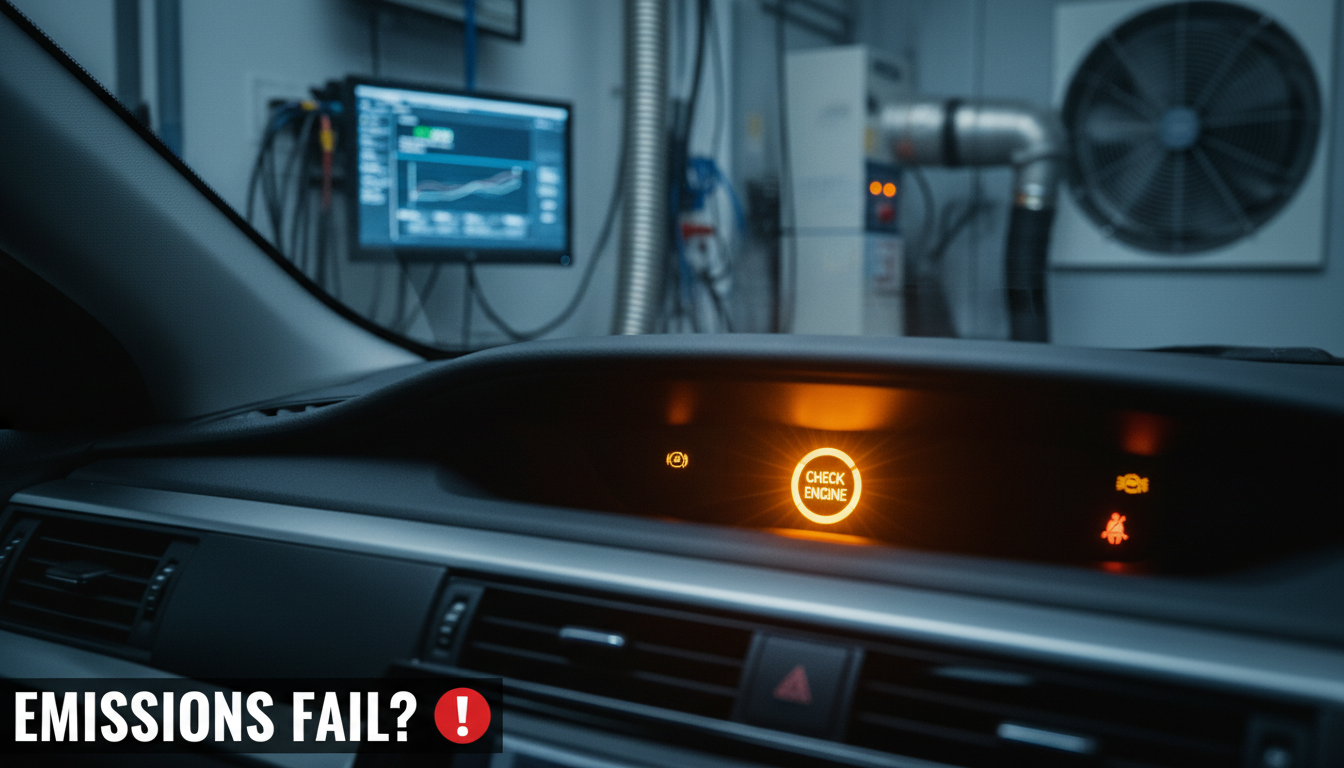

Unusual sounds coming from your wheels can be easy to ignore at first, especially if the car still feels normal while driving.
A faint hum, growl, or rumble may not seem serious, but these noises often point to an underlying issue that should not be overlooked.
Wheel bearings play a key role in keeping your wheels turning smoothly, and when they begin to wear out, the noise usually shows up before anything else.
Many drivers confuse these sounds with tire or road noise, which delays proper diagnosis.
Understanding how wheel bearing noise behaves, when it happens, and how it differs from other vehicle sounds can help you act sooner and make it easier to protect your vehicle.
What is a Wheel Bearing?
A wheel bearing is a small but important part that helps your wheels spin smoothly.
It sits inside the wheel hub and supports the weight of your vehicle while allowing the wheel to rotate with little friction.
When the bearing is in good shape, you won’t notice it at all. Over time, dirt, water, heat, and normal wear can damage the bearing.
As it wears down, metal parts inside begin to rub together, which leads to wheel bearing noise. This noise often starts quietly and grows louder as the damage gets worse.
This is because the bearing is hidden inside the wheel assembly, and many drivers do not notice a problem until the sound becomes clear while driving at higher speeds.
What Does Wheel Bearing Noise Sound Like?
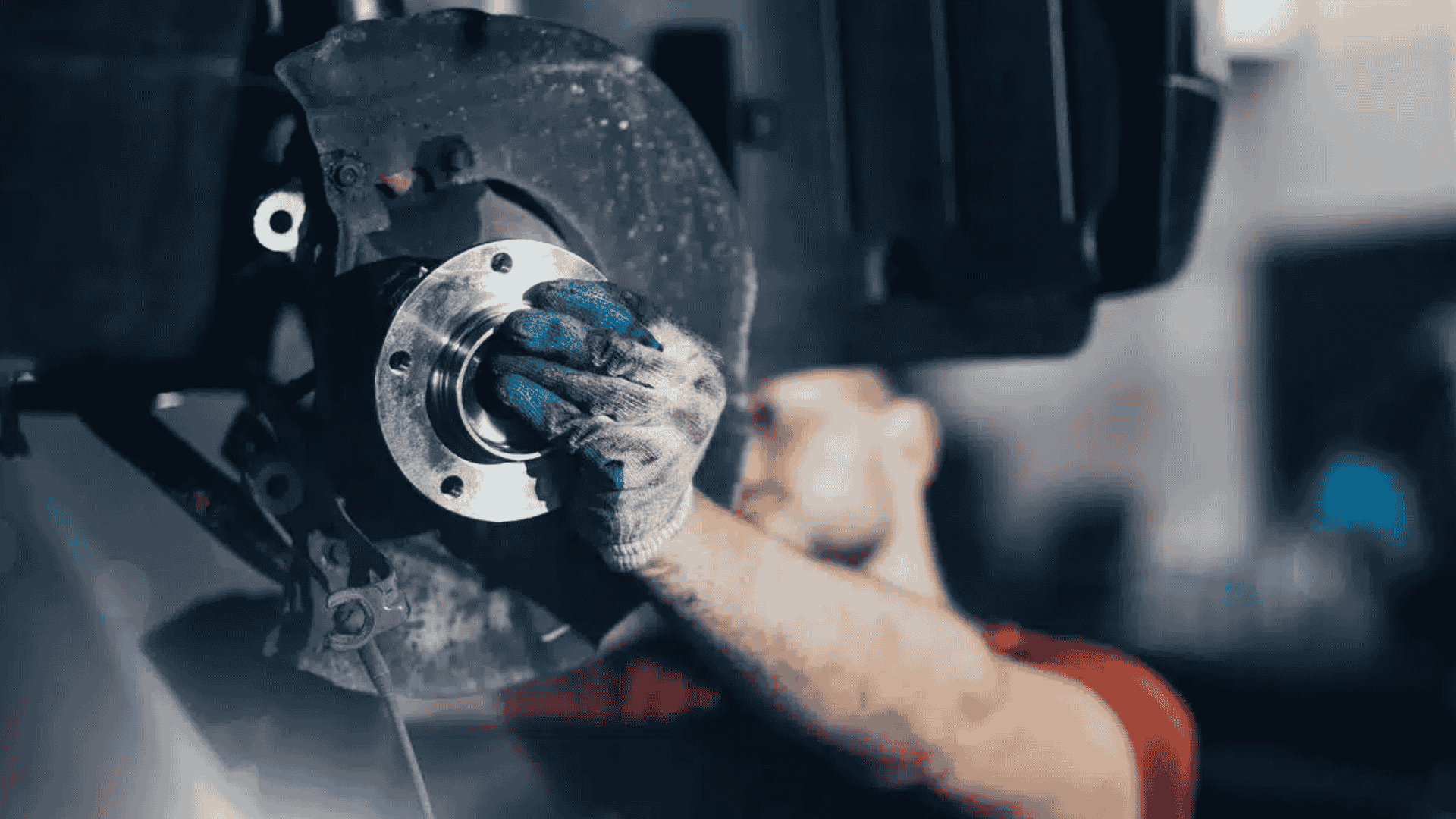
The noise often changes with speed, road conditions, and how the vehicle moves. Paying attention helps narrow down the cause and tells you if the issue is coming from a wheel bearing.
1. Humming or Growling Noise
A humming or growling sound is one of the most common signs. It usually starts as a low, steady sound that becomes louder as your speed increases.
Many drivers confuse this noise with tire noise, especially on rough roads.
The key difference is that the sound stays even on smooth pavement and does not go away when you change tires. It often feels like a constant drone coming from one side of the vehicle.
2. Grinding or Rumbling Sound
A grinding or rumbling sound points to a more worn wheel bearing. This type of wheel bearing noise feels rough and uneven, almost like metal rubbing together.
You may notice it more while driving at higher speeds or when cruising on the highway.
The sound often grows louder over time and does not change much when braking. If left unchecked, this noise can lead to vibration and affect how smoothly the wheel spins.
3. Roaring Noise When Turning
A roaring sound that gets louder while turning is another clear sign. When you turn left or right, the vehicle’s weight shifts, putting more pressure on one side.
The damaged bearing will usually make more noise during that turn. For example, if the sound gets louder when turning right, the issue is often with the left wheel.
This change in sound helps narrow down which wheel is causing the problem.
When Does Wheel Bearing Noise Happen?
Wheel bearing noise does not always show up at the same time and in the same type. It often depends on speed, vehicle movement, and how the weight shifts while driving.
- Noise increases during acceleration: The sound becomes louder as the vehicle gains speed, and the bearing rotates faster under added load.
- Steady noise at cruising speed: A constant humming or growling sound may remain unchanged once the car reaches a steady speed.
- Louder noise while turning: The sound often increases on one side as the vehicle’s weight shifts during left or right turns.
- Noise changes during lane changes: Small steering movements can briefly raise or lower the noise as pressure shifts.
- Noise continues while coasting: The sound often stays present after releasing the accelerator, showing it is not engine-related.
This noise tends to stay present across many driving situations. If the sound remains steady and changes with movement, it is a strong sign that the bearing needs attention.
How to Tell If the Noise Is a Bad Wheel Bearing?
It’s important to rule out other problems before assuming the sound is serious. It helps when the noise changes and enables you to spot wheel bearing noise early and avoid guessing.
- Wheel looseness: When lifted, the wheel may wobble or feel loose when moved by hand.
- Sound stays steady while driving: The noise remains constant at a given speed and does not fade in and out like road or tire noise often does.
- Sound changes when turning: Turning shifts the car’s weight, making the noise louder on the damaged side.
- Steering wheel vibration: A worn bearing can cause light shaking felt through the steering wheel.
- Noise changes with speed, not engine RPM: The sound grows louder as the car goes faster, but stays the same when you rev the engine in neutral.
Other Common Noises
Telling wheel bearing noise apart from other common vehicle sounds helps avoid replacing the wrong part.
Tire noise usually has a repeating pattern that changes with road surface and often sounds louder on rough pavement.
Brake noise is different because it happens mainly while braking and may sound like squealing or grinding when pads wear down.
CV joint or axle noise often creates a clicking sound rather than a steady hum. This noise is most noticeable during sharp turns or quick acceleration.
Unlike these issues, the noise stays consistent at certain speeds and changes when turning due to weight shift. Keep an eye on when the sound occurs, how it changes, and what actions trigger it.
Common Causes of Wheel Bearings Going Bad
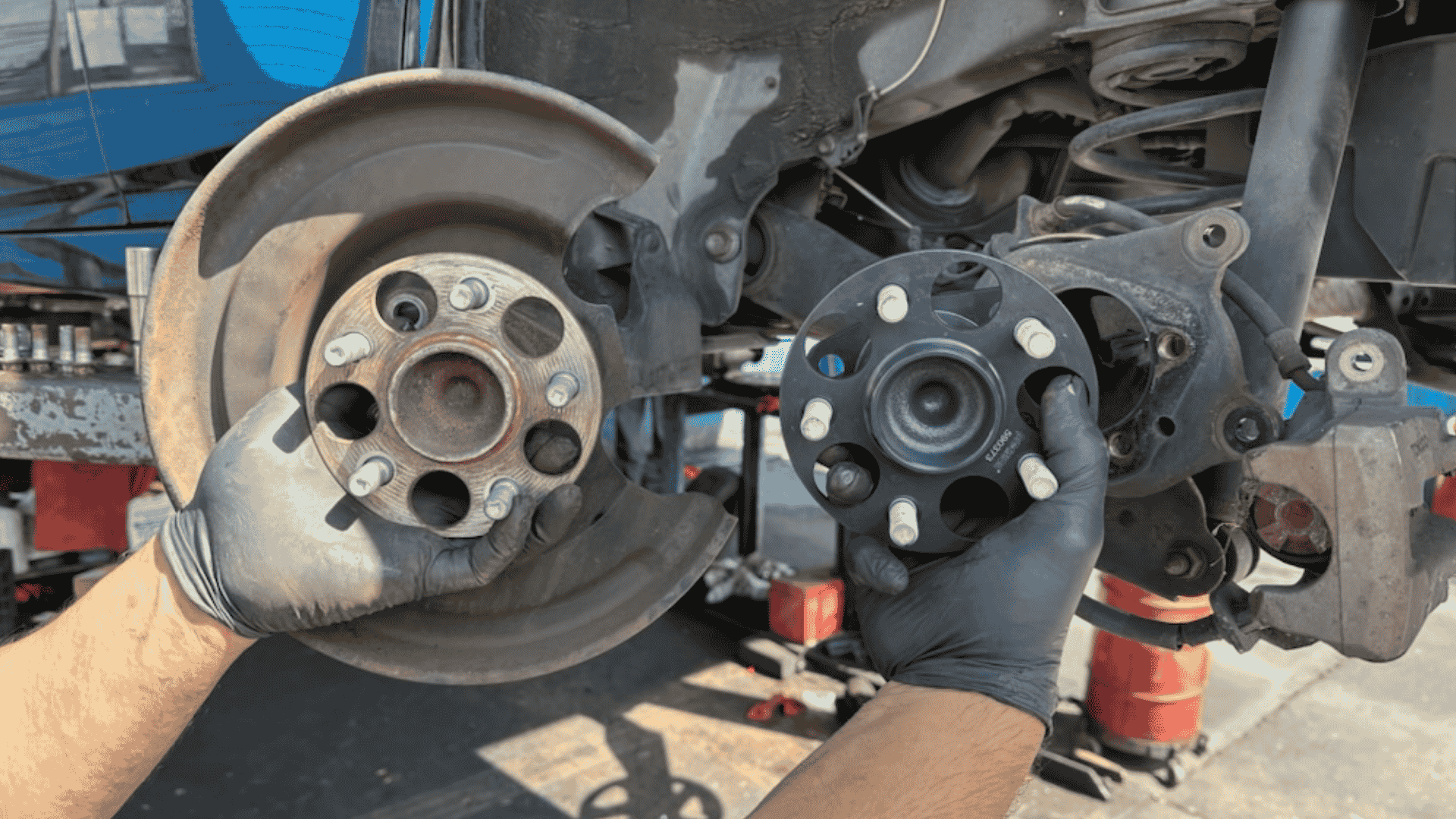
Wheel bearings wear out over time, but certain conditions can speed up the damage. Knowing the causes helps explain why the noise starts and why it often gets worse if ignored.
- Normal wear and mileage: Bearings handle constant weight and rotation, so internal parts slowly break down after years of regular driving use.
- Water exposure: Driving through deep water can wash away protective grease and cause rust to form inside the bearing.
- Dirt and debris damage: Dust, sand, and grit can enter worn seals and slowly grind the bearing from the inside.
- Poor installation: Incorrect torque, misalignment, or improper fitting during repairs can lead to uneven wear and early bearing failure.
- Impact damage: Hitting potholes, curbs, or rough roads can shock the bearing and cause damage that leads to noise later.
When to Get a Wheel Bearing Checked?
You should get a wheel bearing checked as soon as you notice unusual sounds or changes while driving, including a faint humming or growling noise that gets louder with speed.
You may also feel a light vibration in the steering wheel or hear noise when turning.
These early signs often point to wheel bearing noise and are easier to fix when caught early. Signs of serious failure include loud grinding sounds, strong vibration, or wheel looseness.
Ignoring these symptoms can lead to damage to the hub, axle, or brakes, which raises repair costs.
Early repair helps avoid safety risks and keeps the fix limited to the bearing itself. Acting quickly can save money and prevent bigger problems later.
Average Cost of Fixing a Wheel Bearing Noise
Fixing a wheel bearing issue can cost different amounts based on your vehicle and where you get the work done. On average, repairs range from $350 to $800 per wheel.
This price usually includes both parts and labor. A quality wheel bearing or hub assembly often costs between $150 and $400.
Labor can take three to five hours, depending on the car design and local shop rates. Front wheel bearings may cost more because they connect to parts like ABS sensors and CV joints.
Some experienced DIYers can lower costs, but mistakes can lead to serious safety risks.
Getting a proper inspection first helps confirm wheel bearing noise and prevents unnecessary or incorrect repairs. Always compare multiple quotes before choosing a repair shop.
Can You Drive With Wheel Bearing Noise?
Driving with the noise is possible for a short time, but it is not considered safe.
A worn bearing can get worse without warning, especially at higher speeds. As the damage increases, the noise becomes louder, and the wheel may start to wobble or vibrate.
This can affect steering control and braking performance. There is also a risk of further damage to nearby parts, including the hub, axle, or brakes.
In severe cases, the bearing can fail completely and cause the wheel to lock up or come loose.
How long it lasts depends on driving habits and road conditions, but failure can happen sooner than expected. If it appears, it’s best to get it checked as soon as possible.
Conclusion
Wheel bearing noise often starts as a low humming, growling, or roaring sound that changes with speed and movement.
It may get louder when driving faster or turning, and it usually does not go away on its own.
Catching these sounds early is important because worn bearings can lead to safety issues and costly damage if ignored.
So, when the noise appears, it will help you avoid misdiagnosis and unnecessary repairs.
If the sound keeps getting worse or you are unsure about the source, a professional inspection is the safest choice. A trained technician can confirm the issue and prevent further damage.
Have you noticed unusual noises while driving lately? Share your experience or thoughts in the comments below. We’d love to hear from you.