
When a mechanic hands you a repair estimate, it can be hard to know if the number makes sense. Some drivers are told it is a simple fix, while others hear it is a major job.
Prices for the same repair can vary a lot, especially when it comes to suspension and wheel parts.
Rear wheel bearing replacement cost is one of those repairs where quotes often differ by hundreds of dollars.
This blog breaks down real pricing, explains what affects the final cost, and shows how to compare estimates.
By the end, you will know what most drivers pay, what raises or lowers the price, and how to spot a quote that seems too high before approving the repair.
What is a Rear Wheel Bearing?
A wheel bearing is a small but important part that helps your wheels spin smoothly.
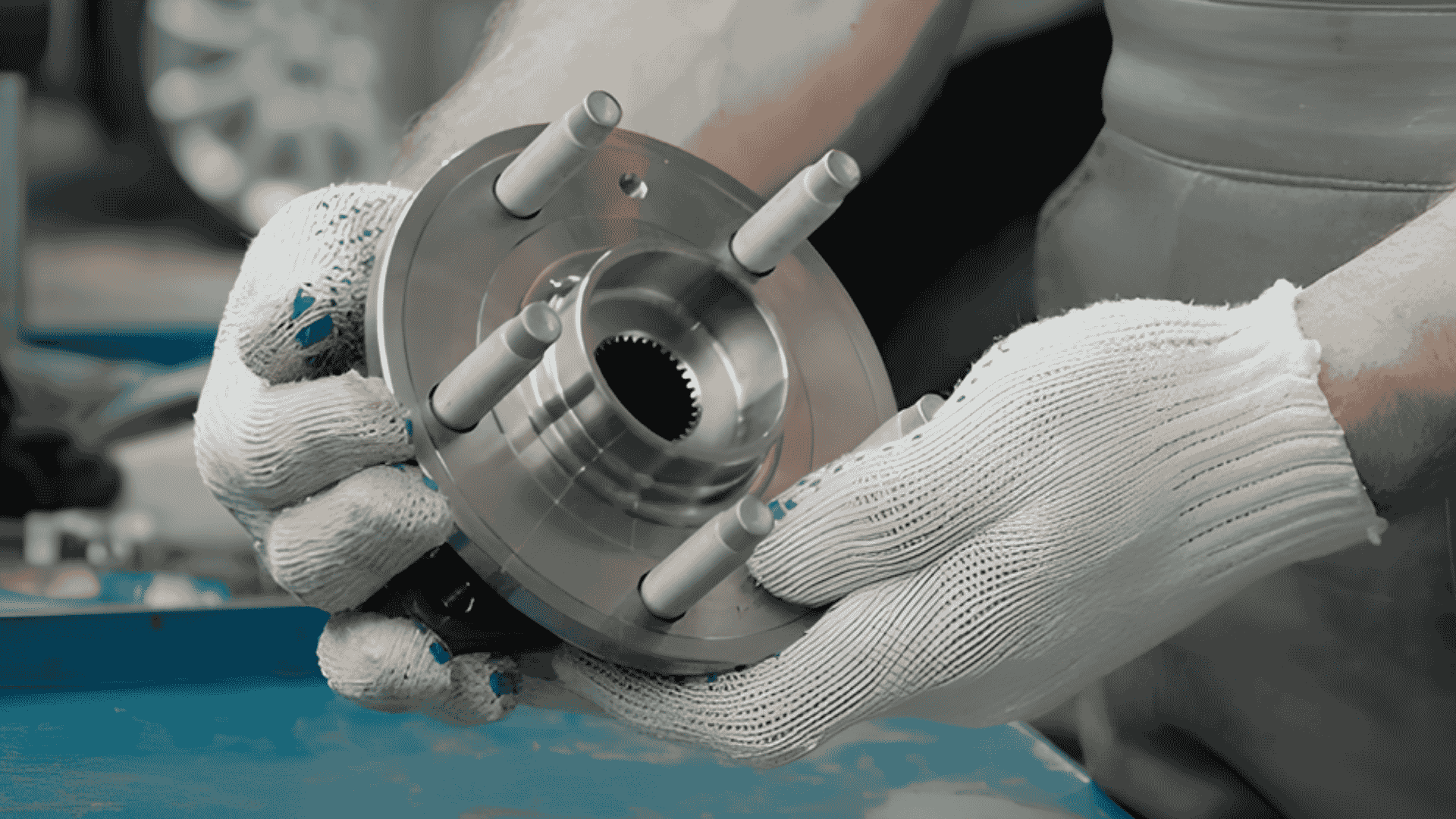
It sits inside the wheel hub and reduces friction as the wheel turns. A rear wheel bearing does the same job for the back wheels.
It supports the weight of your car and keeps the wheel moving in a steady, controlled way while you drive.
When a rear wheel bearing starts to wear out, it can cause grinding or humming noises.
Waiting too long can increase labor time and may force a full hub replacement instead of just the bearing. That delay often raises the rear wheel bearing replacement cost.
Average Rear Wheel Bearing Replacement Cost
The average rear wheel bearing replacement cost usually falls between $300 and $700. On the lower end, some drivers may pay around $250 to $350 for smaller cars.
Mid-range prices often sit between $400 and $550, which is what many drivers actually pay.
The final price depends on factors such as vehicle design, part type, and labor rates in your area. Location and shop rates also affect the final number.
Cost Breakdown
-
Parts cost range: $150-$350 per side (OEM bearings cost more than aftermarket).
-
Labor cost range: $200-$450 (2-4 hours at $100-$150/hour).
-
Total estimated cost: $350-$800 for one rear wheel, or $600-$1,400 for both.
Average Rear Wheel Bearing Replacement Cost by Vehicle Type
Rear wheel bearing replacement costs change based on the type of vehicle you drive. Parts size, weight, and labor time all affect pricing.
| Vehicle Type | Average Cost Range (Parts + Labor) | Notes |
|---|---|---|
| Sedan | $300 – $500 | Smaller cars with simpler setups, such as the Toyota Camry or the Honda Civic. |
| SUV | $350 – $600 | Vehicles like the Honda CR-V or the Ford Explorer need stronger parts. |
| Truck | $400 – $700 | Trucks such as the Ford F-150 often use tougher bearings for towing and loads. |
| Luxury Vehicle | $700 – $1,000+ | Premium brands like BMW or Audi use higher-priced OEM parts and require specialized labor. |
Factors Affecting Rear Wheel Bearing Replacement Cost
Wheel bearing replacement costs can vary a lot from one quote to another. Small details about your vehicle and where the work is done can change the final cost.
1. Vehicle Make and Model
The type of vehicle you drive has a big impact on wheel bearing replacement cost.
Economy cars usually have simpler parts, which keeps prices lower. Luxury cars, SUVs, and trucks often use more complex systems and higher-priced parts.
More complexity means more labor time, which raises the total wheel bearing repair cost.
2. Rear vs Front Wheel Bearings
On some cars, rear bearings are easier to reach, which can lower labor costs. On others, rear bearings are built into the hub or suspension, making the job longer.
Front bearings may require extra work around steering parts, affecting the rear wheel bearing replacement cost.
The time needed to access and replace the bearing often decides which one costs more.
3. Pressed Bearing vs Hub Assembly
Pressed bearings usually cost less for parts, but they take more labor because special tools are needed.
Hub assemblies cost more upfront but are quicker to install. Many shops prefer hub assemblies because they save time.
The choice between these two options can change your total rear wheel bearing replacement cost.
4. Labor Rates by Location
Shops in big cities usually charge higher labor rates than in rural areas.
Dealerships often cost more than independent repair shops because of higher overhead.
Independent shops may offer lower rates for the same job. Labor rate differences alone can change your final bill.
Signs You May Be Overpaying
Not all wheel bearing repair cost quotes are fair, and some prices may be higher than needed due to extra charges or unclear explanations.
- The quote is far above the average range: If your estimate is well above the usual $300–$700 range without a clear reason, it may be overpriced.
- No clear parts and labor breakdown: A fair quote should list parts and labor separately. One lump sum can hide extra charges.
- Pushing full hub replacement without proof: Some shops recommend replacing the entire hub even when only the bearing is worn.
- Extra services added without explanation: Charges for alignments or inspections should be clearly explained and optional.
- Pressure to approve repairs immediately: A trustworthy shop allows time to get another quote instead of rushing your decision.
Wheel Bearing Repair Cost vs. Replacement Cost
Wheel bearing repair cost and replacement cost often cause confusion. In most cases, a wheel bearing cannot be repaired once it starts to fail.
Bearings are sealed parts, so when they wear out or get damaged, a full replacement is usually the only option.
Some shops may use the word repair, but they often mean replacing the bearing itself.
True repairs are rare and usually not recommended. Because of this, the cost of wheel bearing repair is often the same as replacement.
Most drivers pay between $300 and $700, depending on the vehicle and labor rates.
Tips to Save Money on Wheel Bearing Replacement
The wheel bearing repair cost does not have to be more than necessary. A few smart steps can help you keep the price reasonable.
- Get multiple quotes: Ask at least two or three shops for price estimates; this helps you see the average cost.
- Ask about aftermarket parts: Aftermarket wheel bearings usually cost less than OEM parts.
- Understand OEM part costs: OEM parts come from the car maker and cost more. They are not always required, so ask if another option is available.
- Fix the problem early: Replacing a bad bearing early can stop damage to other parts. Early repairs usually cost less.
- Request a clear cost breakdown: Ask for parts and labor listed separately. This makes it easier to avoid paying extra.
Conclusion
Understanding repair costs puts you in control when it comes time to approve work on your car.
Once you know how rear wheel bearing replacement cost is calculated, it becomes much easier to tell the difference between a fair quote and one that may be overpriced.
Small steps like getting multiple quotes and checking for clear cost breakdowns can make a big difference in what you pay.
Looking at vehicle type, labor charges give you a clear picture of what you should expect to pay.
If you have recently received a quote or completed a wheel bearing replacement, share your experience in the comments below.
Your input can help other readers compare prices and make smarter repair choices.
Frequently Asked Questions
How Long Does a Rear Wheel Bearing Replacement Take?
Most rear wheel bearing replacements take between 1.5 and 3 hours. The time depends on your vehicle type and whether the bearing is pressed in or part of a hub assembly.
Is it Safe to Drive With a Bad Rear Wheel Bearing?
Driving with a bad rear wheel bearing is not recommended. As the bearing wears out, noise and vibration increase, and control can be affected.
Does Wheel Bearing Replacement Affect Brakes?
The brake system is often removed during the repair, but the brakes themselves are not replaced unless worn. Brake parts are usually reinstalled after the bearing is fixed.