
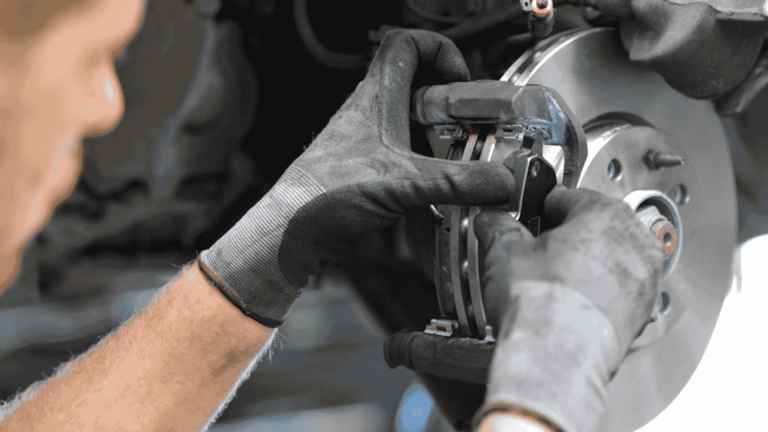
That sharp, high-pitched squeak when you press the brake pedal can catch you off guard. It might happen in a quiet parking lot or while easing into your driveway.
The sound often feels louder than it should, making you wonder if something is wrong.
Many drivers immediately think the brake pads are worn out, even when the car still stops just fine, leading to the question: Why are my brakes squeaking?
Brake noise can come from many small factors working behind the scenes. Some are completely normal, while others need simple attention.
This blog breaks down the common causes and easy fixes, so you know when to relax and when to take action with confidence.
When Brake Squeaking is Normal?
Brake squeaking is not always a sign that something is wrong. Many drivers ask, “Why are my brakes squeaking?”, even when the car feels safe to drive.
In some situations, brake noise is considered normal and does not point to a mechanical problem.
Brakes are exposed to heat, air, and changing weather every day, so sounds can happen from time to time. Light squeaking may come and go, especially during short trips or low-speed driving.
New brake parts can also make noise while they adjust to regular use. These sounds often fade on their own without any repairs.
Brake systems are designed to handle a wide range of conditions, and occasional noise is part of that process.
The key is paying attention to how often the sound occurs and whether it changes over time.
Why Are My Brakes Squeaking Even With Good Pads?
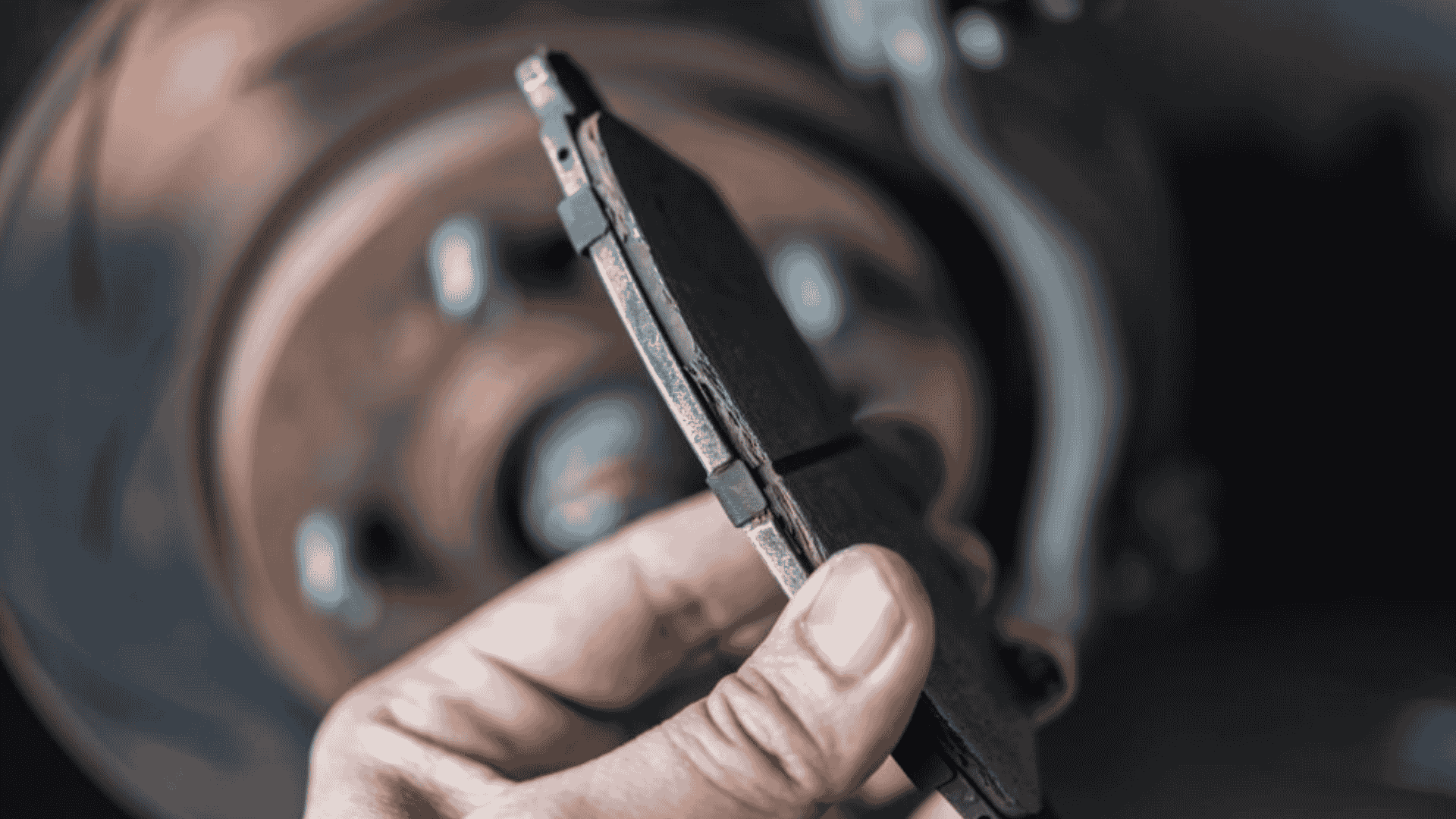
The brakes are made of several moving parts, and noise can come from places other than the pads. Knowing the cause helps you decide if it’s a quick DIY fix or needs a closer look.
1. Brake Dust Buildup
Brake dust forms as pads slowly wear down during normal driving, and it can collect on the brake pads, rotors, and calipers over time.
When dust builds up, it can create a thin layer between the pad and rotor.
The noise is more noticeable at low speeds or light braking. Regular driving creates dust, so this issue is very common.
2. Moisture or Rust on Rotors
Moisture is another reason for brake squeaking, especially after rain or overnight parking.
When your car sits, light surface rust can form on the rotors due to humidity or dew. Brakes may also squeak on damp mornings or after washing your car.
This rust usually wears off after a few stops, but during that time, it can cause squeaking or scraping sounds.
3. Glazed Brake Pads or Rotors
Glazing happens when brake pads or rotors get too hot, often from hard or repeated braking. Excess heat can cause the pad surface to harden and become smooth instead of slightly rough.
When this happens, the pads do not grip the rotor properly, which leads to squeaking or squealing sounds. You may also notice reduced braking performance; these glazed brakes are more common in stop-and-go traffic or downhill driving.
4. Lack of Brake Lubrication
Brake systems rely on special high-temperature grease to keep parts moving smoothly.
If this grease dries out or is missing, parts like caliper pins and pad contact points can stick or vibrate.
That vibration often causes squeaking noises when braking. This issue does not mean your pads are bad, but it can affect brake feel and wear over time.
5. Worn or Missing Anti-Rattle Clips
Anti-rattle clips are small metal pieces that hold brake pads firmly in place. When these clips wear out, bend, or go missing, the pads can move slightly when you brake.
That movement creates vibration, which turns into squeaking or clicking sounds.
This noise often happens over bumps or during light braking. Even with good pads, loose hardware can cause constant noise.
6. New Brake Pads and Break-In Period
New brake pads often squeak during the first few days of driving. This happens because the pads and rotors need time to seat properly together.
During this break-in period, the pad surface slowly matches the rotor surface. Until that happens, light squeaking or squealing is normal.
The noise usually fades after a few hundred miles of regular driving. Proper bedding procedures, like controlled stops, help speed up this process and reduce noise.
7. Your Personal Braking Style
How you drive can also affect brake noise. Light, gentle braking at low speeds can cause squeaking because the pads do not press hard enough to stay quiet.
On the other hand, frequent hard stops can overheat brakes and lead to glazing.
Riding the brakes in traffic or downhill can also increase noise. Adjusting your braking habits can reduce squeaking and help your brakes last longer.
Real Users Insights on Brake Pads Squeaking
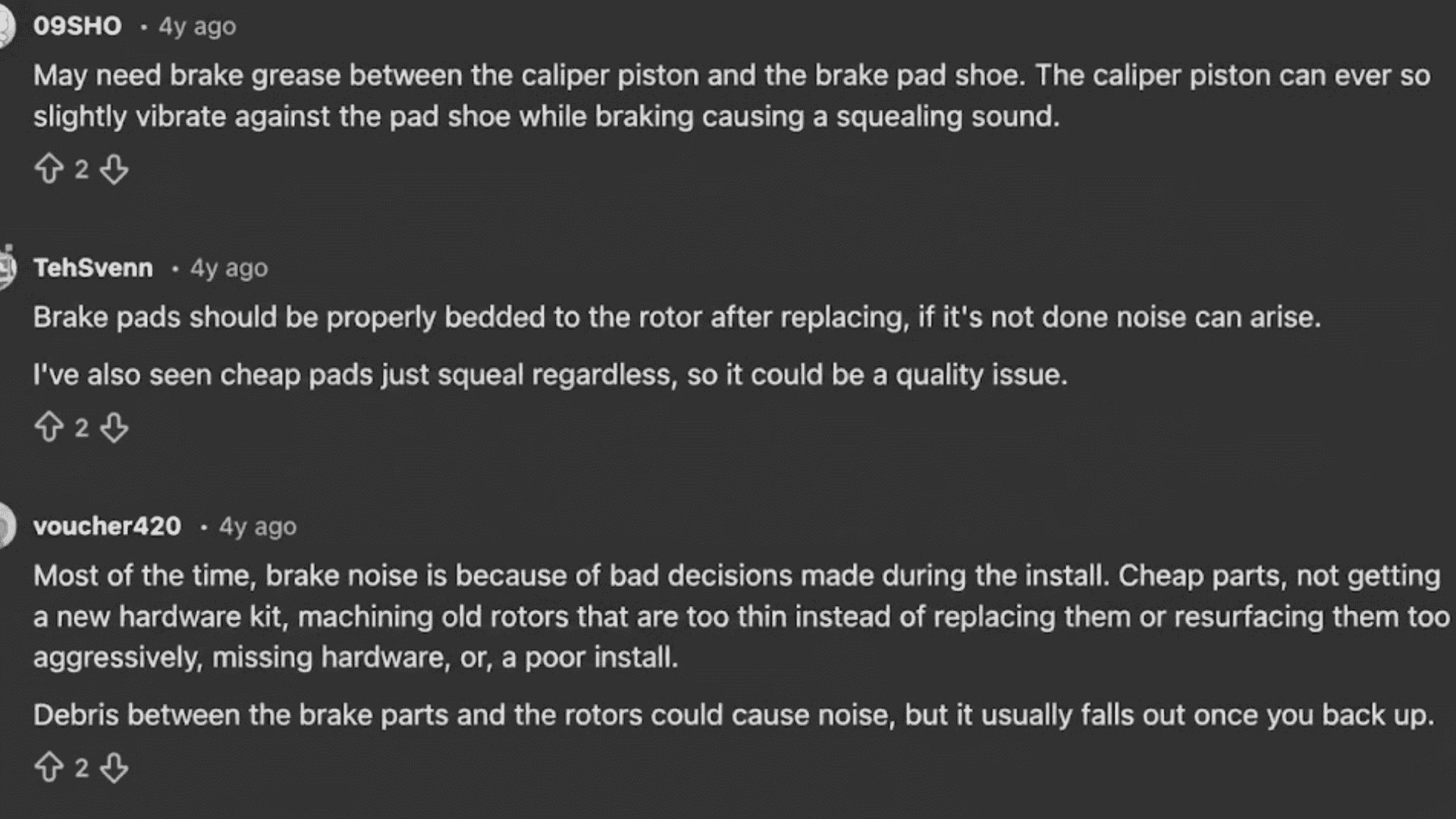
Reddit users point out that brake squeak can happen even when the pads look fine.
A common reason is poor installation, missing hardware, reused clips, or skipping brake grease can let the pad vibrate against the caliper.
Several mechanics also mention bedding-in issues. New pads and rotors need a proper break-in with controlled stops, or noise can show up early.
Others note that debris, dust, or small stones can get trapped after driving on gravel, though it often clears on its own.
Lack of lubrication on the pad backing or slide pins is another frequent cause.
Some users also warn that resurfaced or thin rotors can add noise. Overall, most reviews agree squeaking usually points to install details, not bad pads being common after brake jobs.
DIY Fixes to Stop Brake Squeaking
These fixes focus on basic maintenance you can do at home with simple tools. They help reduce noise without replacing major parts and are safe for beginners when done carefully.
- Clean the brake components: Use brake cleaner to remove dust and debris from pads and rotors. Avoid water or oily products.
- Apply brake grease properly: Grease caliper pins and pad contact points only. Never apply grease to the rotor or pad surface.
- Re-bed the brake pads: Make several smooth stops from moderate speed, allowing brakes to cool between stops.
- Check brake hardware: Inspect clips, shims, and pins for wear or looseness. Replace damaged or missing pieces.
- Test drive carefully: Drive slowly at first to confirm the squeaking is gone and braking feels normal.
When to See a Mechanic for Brakes Squeaking?
Brake squeaking should not be ignored when it comes with other warning signs.
If the squeaking turns into a grinding sound, it may mean metal parts are rubbing together, which can damage the rotors.
Feeling vibration or shaking through the brake pedal or steering wheel is another sign that something is wrong and needs attention.
If your vehicle pulls to one side while braking, it may point to uneven brake wear or a sticking caliper.
Constant noise that does not go away after driving or basic maintenance is also a red flag.
Continuing to drive with these symptoms can lead to higher repair costs. A mechanic can inspect the system, find the real cause, and fix the issue before it gets worse.
Tips to Prevent Brake Squeaking in The Future
Preventing brake squeaking mostly comes down to regular care and smart driving habits. Simple maintenance done on time can keep brake noise from becoming a recurring issue.
- Schedule regular brake inspections: Have your brakes checked during routine service visits to catch small issues before they cause noise.
- Clean brakes during tire rotations: Removing dust and debris during tire rotations helps prevent buildup that leads to squeaking.
- Use quality brake parts: Good pads, rotors, and hardware fit better and reduce vibration compared to low-quality parts.
- Avoid hard stops when possible: Smooth braking reduces heat buildup and lowers the chance of brake noise.
- Address noise early: Fixing minor squeaks early prevents bigger problems and keeps your braking system working properly.
Conclusion
Brake squeaking can be annoying, but it is often harmless and easy to explain.
In many cases, the noise comes from normal driving conditions or minor maintenance issues, not worn-out brake pads.
Paying attention to how and when the noise happens helps you understand what your brakes need. At the same time, it is important to know when squeaking points to a bigger problem.
Sounds paired with grinding, vibration, or pulling should never be ignored.
If you have ever wondered why my brakes are squeaking, learning the signs makes a big difference.
Have you noticed brake noise in certain driving situations, or tried any DIY fixes that worked for you? Share your experience in the comments.
Frequently Asked Questions
Is It Safe to Drive If Brakes Squeak Occasionally?
Occasional squeaking without vibration, pulling, or grinding is usually safe. If braking feels normal and the sound goes away, it is often not a serious issue.
Why Do Brakes Squeak When Reversing?
Brakes often squeak in reverse due to pad vibration, light surface rust, or dust buildup. Reverse braking uses different pressure angles, which can make normal noises more noticeable.
Is Spraying WD-40 on Car Brakes a Safe Way to Stop Squeaking?
Spraying WD-40 on brakes is unsafe. WD-40 reduces friction on rotors and pads, which can seriously reduce braking power and increase stopping distance.