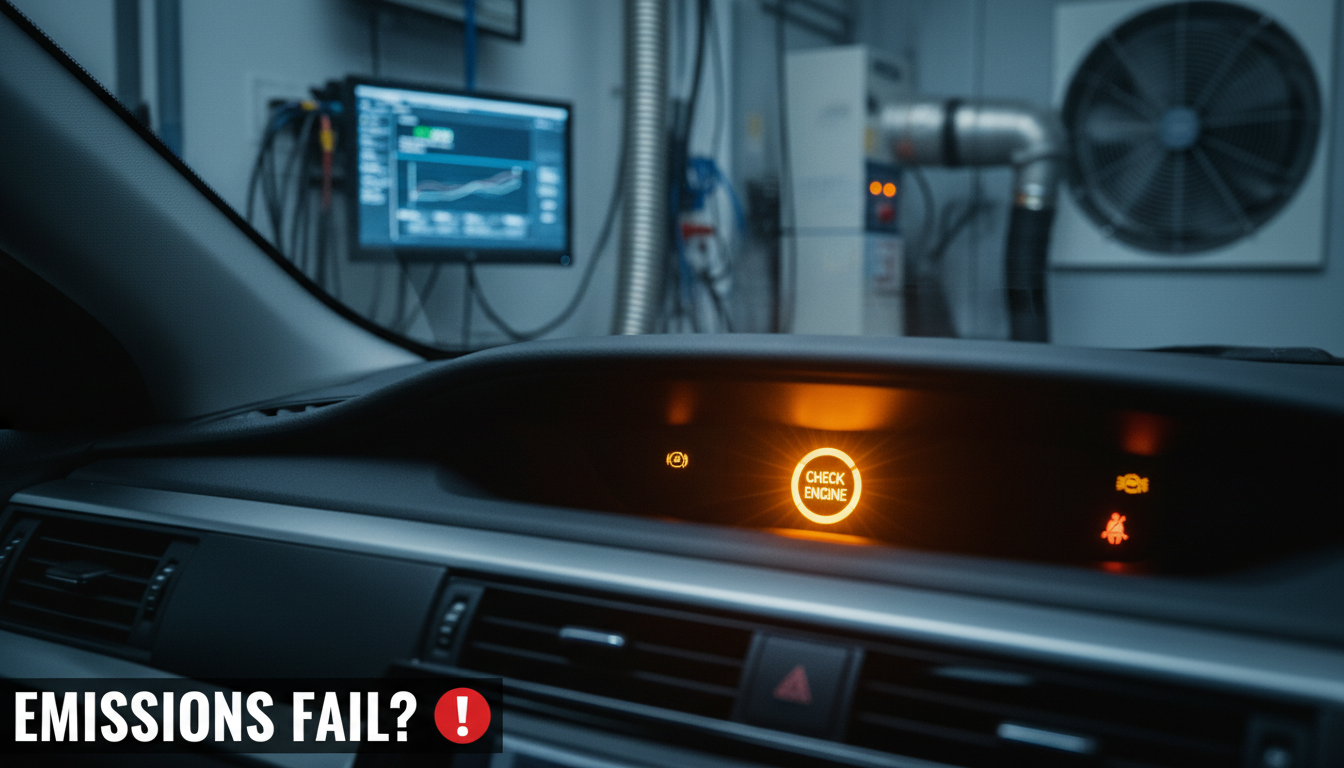

I’ve noticed that brake pads are one of those car parts people talk about a lot, especially among friends who drive often.
They may seem small, but they play a big role in keeping you safe on the road.
Without good brake pads, stopping your car takes longer, and that can be risky in heavy traffic or bad weather.
I’ve had many chats with other drivers about when they decided to change theirs.
Some wait until there’s a strange noise, while others keep track of the miles and replace them early.
These stories often come with lessons, like how ignoring a squeal can turn into an expensive repair or how a quick check saved someone from a dangerous situation.
In this list, I’m sharing the common signs fundamental drivers have noticed before replacing their brake pads.
These aren’t just from manuals or mechanics, they’re from everyday people who’ve learned what to watch for through their own driving experiences.
When to Replace Brake Pads?
Most drivers want to know how long brakes last, but the answer often depends on driving habits, road conditions, and car type.
Drivers replace their brake pads somewhere between 30,000 and 70,000 miles, but this can change a lot based on driving style and conditions.
Some people need to change them sooner if they drive in heavy traffic often, as constant braking wears the pads down more quickly.
Drivers with heavier vehicles, like trucks or SUVs, also find their brake pads wearing out faster compared to smaller cars.
In places with lots of hills or mountains, brake pads usually need replacing more often.
On the other hand, drivers who use their brakes gently and plan their stops tend to get more miles out of their pads.
These habits help reduce wear and tear, making the pads last longer.
Overall, how often brake pads need replacing depends on a mix of mileage, driving habits, vehicle type, and the roads traveled every day.
Brake Pad Warning Signs Drivers Commonly Notice
Brake problems often start with minor signs that drivers notice in everyday situations. Learning from these real experiences can help spot issues early and avoid costly repairs.
1. Squealing or Screeching Noises
Many drivers describe hearing a high-pitched squeal when pressing the brakes, often the first sign that pads are wearing down.
One driver shared how they ignored the noise for months, thinking it was just dust on the brakes, only to end up with costly repairs.
People say they often judge the seriousness by noticing if the sound happens every time they brake or only in certain situations, like when it’s cold or damp.
2. Grinding Sounds When Braking
Grinding feels and sounds harsher than squealing. It’s a deep noise that many drivers admit they heard when they waited too long to replace pads.
Some have shared that this sound often means the pad material is gone, and the metal backing is scraping against the rotor.
Ignoring this can lead to damaged rotors, which are much more expensive to replace. One driver recalled their mechanic showing them a rotor so worn it was unsafe to drive.
3. Reduced Braking Response
Several drivers have described moments where their brakes didn’t respond as quickly as before, forcing them to press harder to slow down.
This reduced responsiveness can be alarming, especially in heavy traffic or during sudden stops. Some said the issue started slowly, making it harder to notice right away.
Over time, they realized they were leaving more distance to stop safely. In many cases, worn brake pads were to blame, and replacing them immediately brought back the firm.
4. Brake Pedal Vibration
A vibrating brake pedal is something many drivers have experienced, especially at higher speeds. Some thought the issue was with their tires or wheel alignment.
One driver recalled the vibration getting so bad that their steering wheel shook, too. In most stories, the cause was uneven brake pad wear or heat damage to the rotors.
Fixing the pads (and sometimes resurfacing the rotors) usually stopped the shaking and made braking smooth again.
5. Pulling to One Side While Braking
Some drivers notice their car drifting slightly left or right when they brake, even if the road is flat. This “pulling” is often linked to uneven brake pad wear or a problem with the brake caliper.
One driver shared that their car kept veering right, and a quick check revealed the pads on one side were far more worn than the other.
Mechanics and drivers alike recommend checking both the pads and calipers, as fixing the problem early prevents uneven wear and keeps braking stable.
6. Dashboard Brake Warning Light
A brake warning light on the dashboard can catch drivers by surprise, sometimes coming on earlier than they expect.
Several people have shared how they ignored the light for weeks, thinking it was just a sensor glitch, only to end up with completely worn pads.
Acting quickly when this light appears often saves money and prevents dangerous situations on the road.
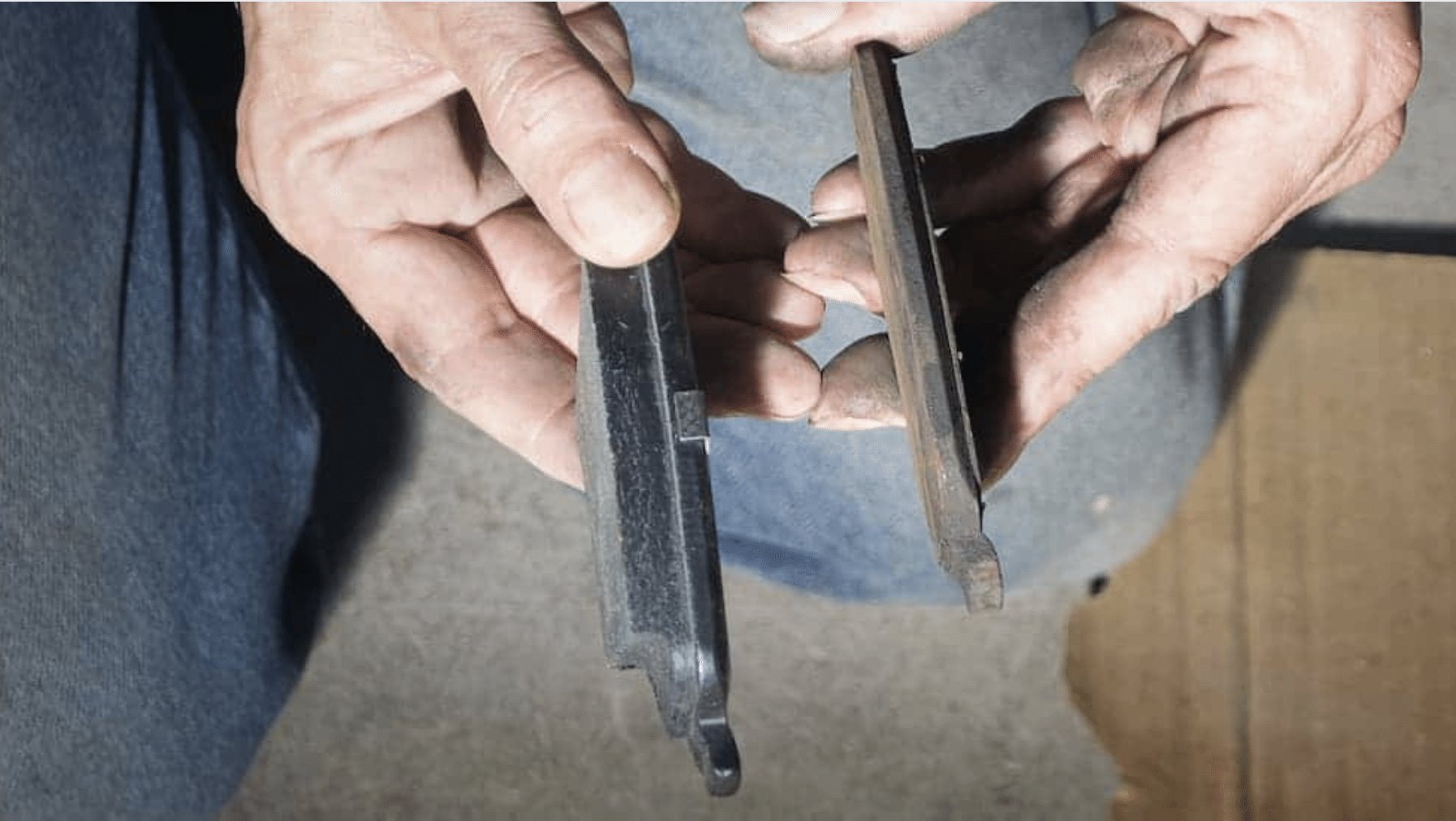
7. Visible Thin Brake Pads
During routine tire changes, some drivers or their mechanics have spotted visibly thin brake pads.
One story involved a friend noticing worn pads while changing a flat, catching the problem before it got worse.
Checking the pads visually, if possible, can be an easy way to stay ahead of brake problems. This quick inspection can help avoid surprise repairs later.
8. Burning Smell After Braking
A sharp, burning smell after braking, especially on long downhill drives, is something several drivers have experienced.
One driver recalled pulling over to let the brakes cool after the smell got strong, which likely saved the pads from further damage.
If the smell keeps happening, drivers suggest having the brakes checked, as overheating can shorten pad life and affect braking performance.
9. Unusual Brake Feel (Soft or Spongy)
When brakes start to feel soft or “mushy,” many drivers notice it right away. Instead of the firm resistance they’re used to, the pedal sinks deeper before the car slows down.
One driver said they first thought it was just in their head, but after almost rolling past a stop sign, they knew something was wrong.
Soft brakes can point to worn pads, air in the brake lines, or other issues. Drivers recommend getting them checked quickly, as braking feel is key to safety.
Lessons from Real Brake Pad Replacement Stories
Many have learned that acting on early signs not only keeps them safe but also saves money in the long run. These are a few quotes and the lessons behind them:
1. Ignoring Small Noises Can Lead to Costly Repairs
This driver ignored a small noise, only to face a big repair bill. Small sounds can grow into major problems if left unchecked.
“I thought the squeal was just dust, but it turned into a $600 rotor replacement.”
2. Catching Problems Early Saves Money
Acting quickly at the first sign of trouble can save you from costly repairs. Quick action also keeps your car stopping efficiently, giving you peace of mind on the road.
“I replaced my pads as soon as I heard grinding my mechanic said I saved the rotors.”
3. A Simple Check Can Prevent Bigger Issues
Sometimes, a quick visual check or a second pair of eyes can catch problems before they become dangerous.
“A friend spotted my thin pads during a tire change. I replaced them that week.”
The takeaway is clear: those early signs matter. Checking your brakes now could save both money and peace of mind later.
Conclusion
I’ve learned that listening to other drivers’ brake pad stories can be more useful than any manual.
These real experiences show how small signs, like squealing or a soft pedal, can turn into bigger and more expensive problems if they’re ignored.
A simple noise or strange feeling when braking might not seem urgent, but it’s often the first clue that something needs attention.
Hearing how others saved money and avoided danger by acting early has made me pay more attention to my own brakes.
It’s clear that replacing pads at the right time is much cheaper than fixing damaged rotors or other parts later.
If I notice any of the signs we’ve talked about, such as a burning smell, pulling to one side, or a warning light.
Staying alert and acting quickly can keep driving safe and repairs simple. Your car and your wallet will thank you for it.