
Your car depends on electricity more than most drivers realize. From starting the engine to keeping the lights on, everything works together behind the scenes.
When the alternator begins to fail, those systems slowly lose power, and warning signs do not always show up all at once.
Small changes, like dim lights or random electrical glitches, often feel harmless at first.
Many people continue driving until the car suddenly will not start or shuts off without warning while on the road.
Understanding the early signs of a bad alternator can help you avoid that situation.
In this blog, you will learn the most common symptoms of alternator trouble and why spotting them early matters.
What Does an Alternator Do?
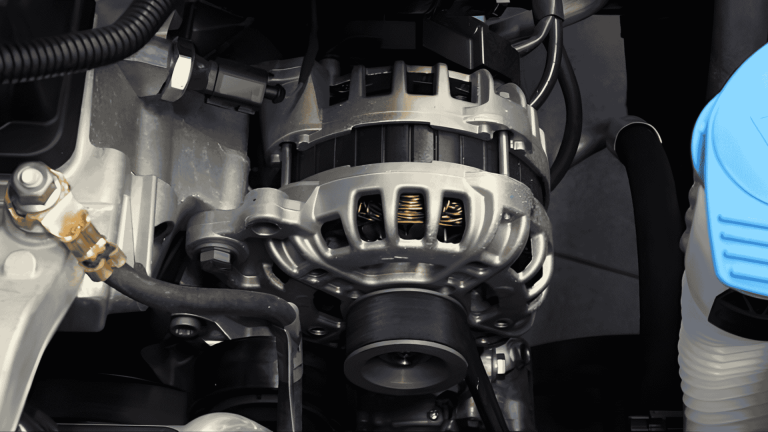
An alternator is a key part of your car’s electrical system, and its main job is to keep the battery charged while the engine is running.
When you start the car, the battery provides the first burst of power, and the alternator takes over.
It turns engine movement into electrical energy, and when this process weakens, it often leads to early signs of a bad alternator.
This power runs important systems like headlights, dashboard lights, radio, power windows, air conditioning, and charging ports.
If the alternator starts to fail, your car may still run for a short time, but electrical parts will stop working one by one. Eventually, the engine can shut off once the battery loses all power.
Common Signs of a Bad Alternator

Alternator problems often start small and get worse over time. At first, the signs may seem minor or easy to ignore, but as the alternator weakens, your car’s electrical system struggles.
1. Battery Warning Light on the Dashboard
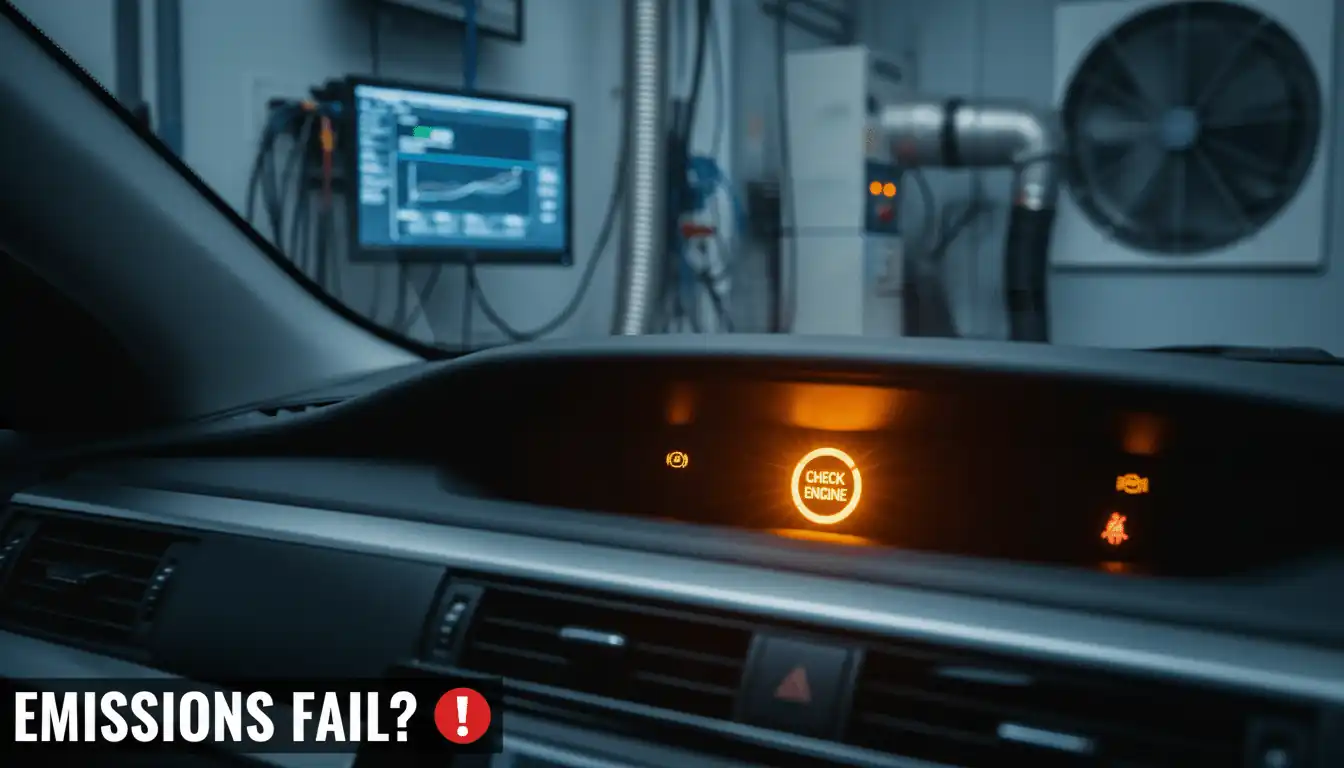
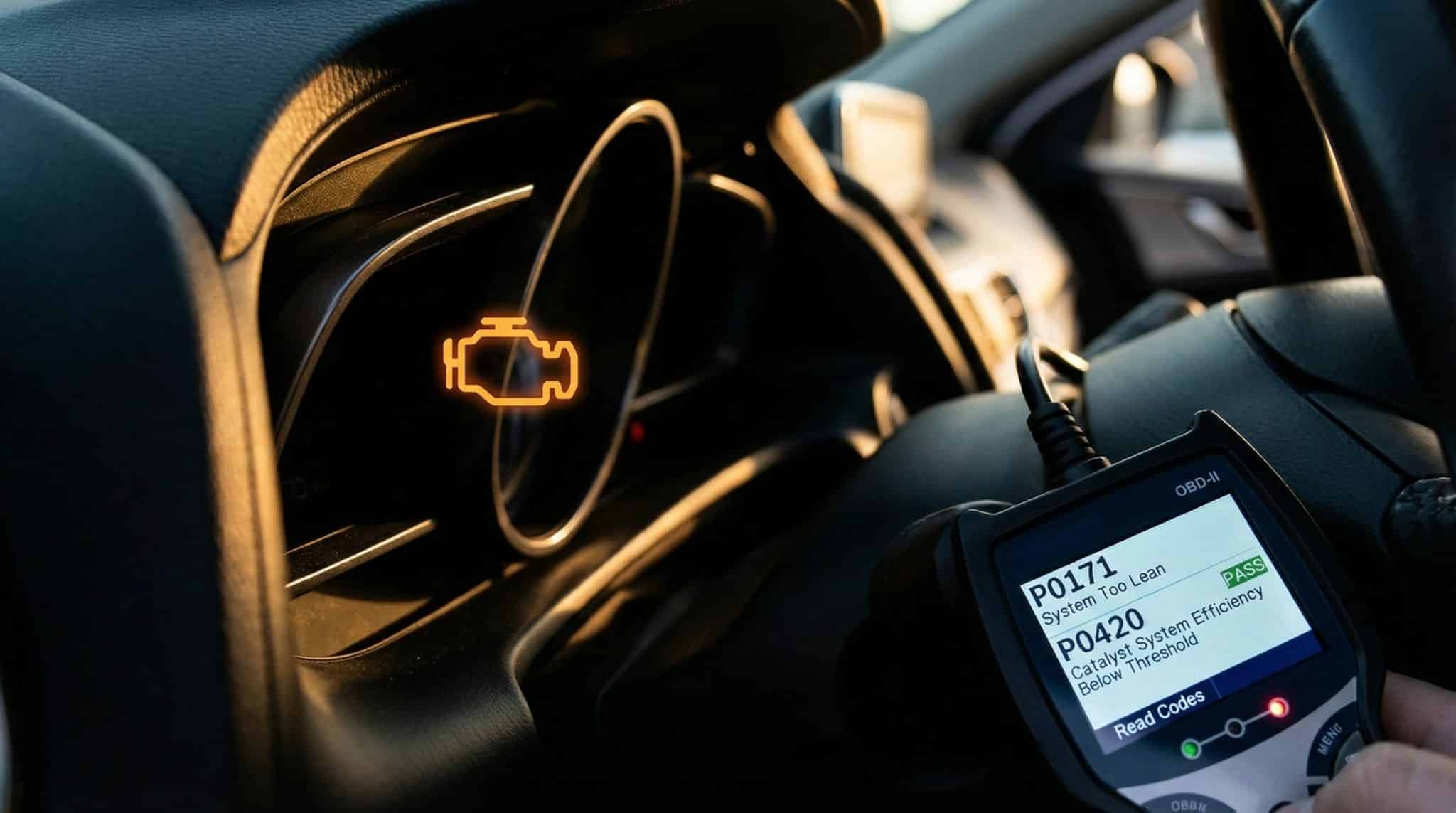
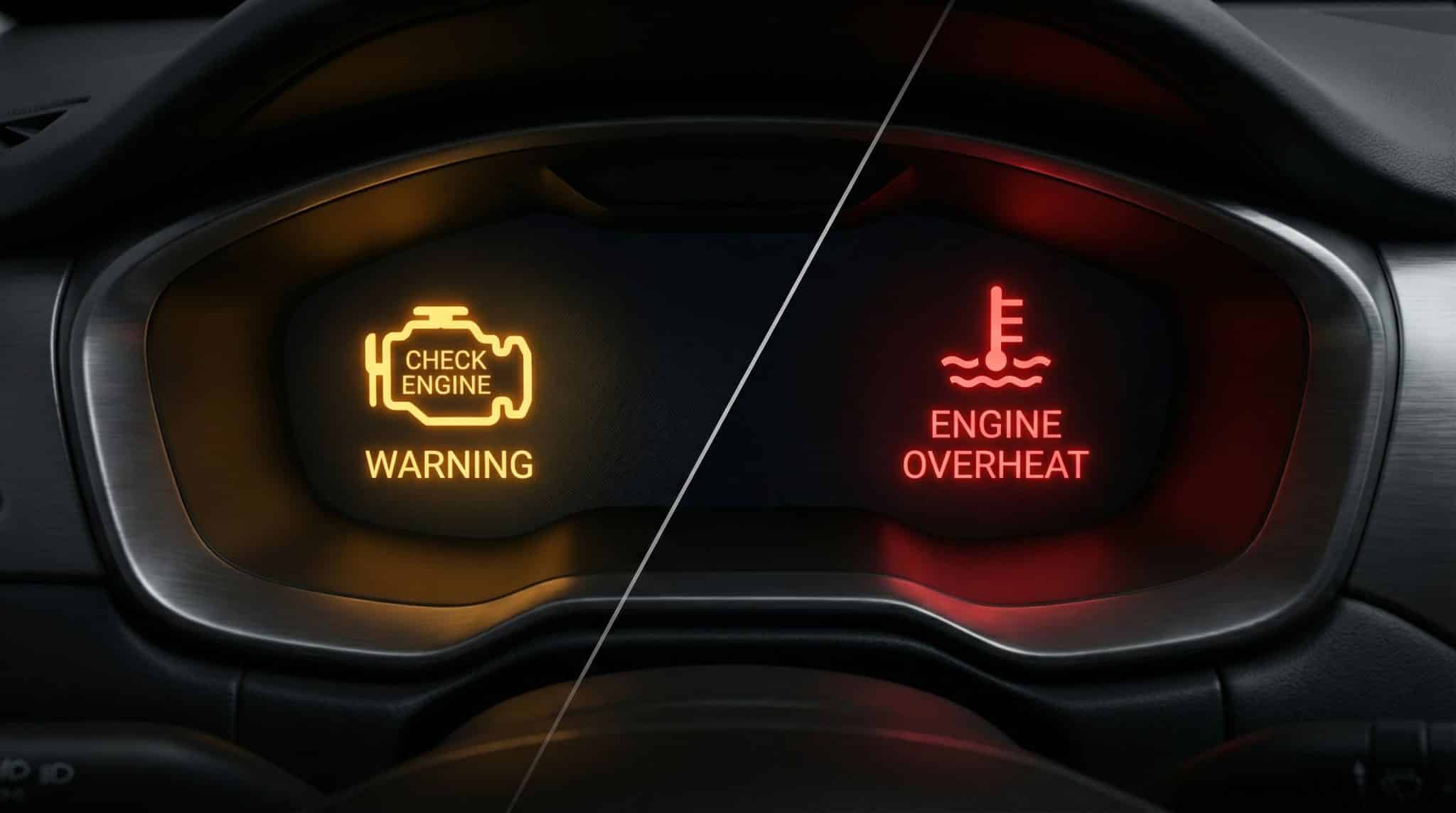
The battery warning light is one of the first signs of a bad alternator problem. When this light turns on, it usually means the charging system is not working as it should.
Many drivers assume the battery is the issue, but the alternator is often the real cause.
If the alternator cannot produce enough power, the car relies only on the battery. This light may come on while driving or stay lit the entire time.
Ignoring it can lead to a drained battery and engine shutdown without warning.
2. Dimming or Flickering Headlights
Dimming or flickering headlights are the common signs of a bad alternator.
When the alternator starts failing, it cannot supply steady electricity to the car’s lights. You may notice headlights getting dimmer at idle and brighter when revving the engine.
Interior lights and dashboard lights may also flicker or pulse. These changes often happen gradually, making them easy to miss at first.
It can also reduce the visibility and safety of the driver, especially when driving at night or in bad weather.
3. Electrical Issues Inside the Car
A weak alternator can cause many electrical problems inside the car, and the power windows may move more slowly than usual or stop working at times.
The radio might cut out, reset, or lose sound, touchscreens and dashboard displays may flicker, freeze, or show error messages.
These issues happen because the alternator is not sending enough power to support all systems.
As more electrical parts struggle, the problems become more frequent. When multiple features act up at once, it often points to a charging system issue.
4. Strange Noises from the Engine
Unusual noises coming from the engine area can be signs of a bad alternator. A failing alternator may produce whining, grinding, or squealing sounds.
These noises often come from worn bearings inside the alternator or a loose and damaged belt.
A squealing sound usually means the belt is slipping, while grinding can indicate internal damage.
Ignoring them can lead to complete alternator failure, leaving the car unable to run once the battery loses power.
5. Dead or Frequently Draining Battery
A battery that keeps dying is often blamed on age, but a bad alternator is a common cause of the issue.
If the alternator does not recharge the battery properly, the battery drains every time you drive. You may replace the battery, only to face the same issue again.
A bad battery struggles to start the car, while a failing alternator allows the car to start but die later on.
Repeated jump-starts usually point to a charging problem rather than the battery itself.
6. Burning Smell or Hot Wires
A burning smell coming from the engine area should never be ignored. A failing alternator can overheat due to worn parts or internal electrical issues.
This overheating may cause insulation on wires to melt, creating a sharp electrical smell.
A slipping or damaged belt can also produce a burning rubber odor. These smells often appear before more serious damage occurs, indicating the signs of a bad alternator.
Continued driving in this condition can harm nearby components and increase fire risk.
7. Engine Stalling or Trouble Starting
When the alternator cannot supply enough power, the engine may stall or struggle to start.
The ignition system and fuel system rely on steady electricity to work properly. If power drops, the engine may shut off while driving or fail to restart.
Some cars may start normally but stall once the battery power runs low.
These signs of a bad alternator usually appear in later stages of alternator failure and need immediate attention.
Temporary Fix of a Bad Alternator
A bad alternator cannot be permanently fixed without replacement, but a few short-term steps may help you move the car safely to a repair shop.
- Fully Charge the Battery: A fully charged battery can keep the car running for a short distance when the alternator is not working properly.
- Turn Off Extra Electrical Loads: Switching off headlights, radio, air conditioning, and charging ports helps slow battery drain.
- Check and Tighten the Belt: A loose or worn alternator belt can reduce charging power and may be tightened temporarily.
- Use a Jump Starter: A portable jump starter can help restart the car if the battery dies unexpectedly.
- Drive Only Short Distances: Limit driving to nearby locations, such as a repair shop, to reduce the risk of a sudden shutdown.
What Happens If You Ignore a Bad Alternator?
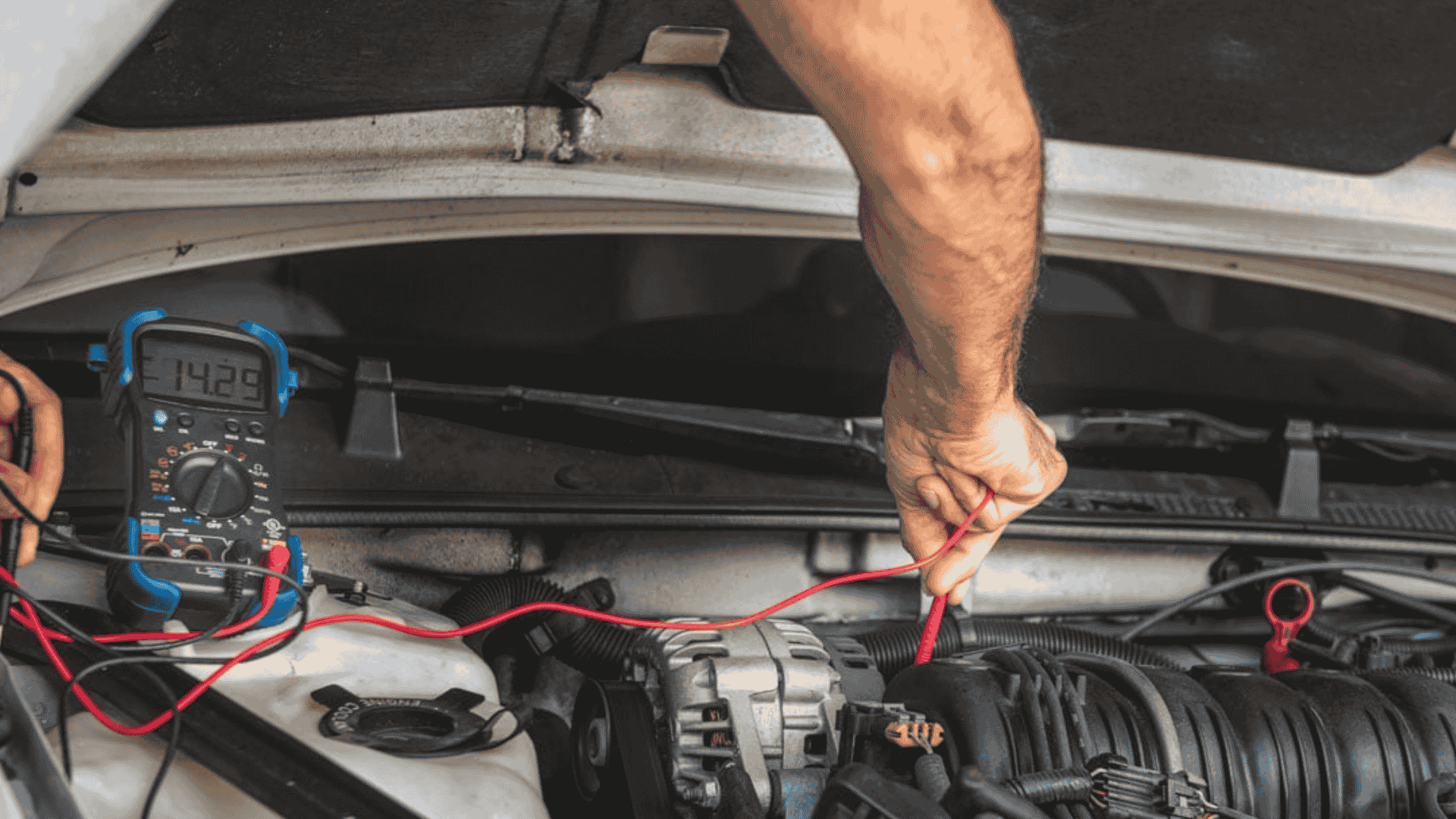
Ignoring the signs of a bad alternator can lead to serious car problems over time. At first, the vehicle may still run, but the alternator will stop charging the battery properly.
As the battery drains, electrical parts like headlights, radio, and power windows can stop working without warning.
This often leads to sudden breakdowns, especially while driving at night or in traffic.
If the alternator fully fails, the engine can shut off because the ignition system no longer gets power.
Driving in this condition can also damage other electrical parts, including sensors and control modules, which increases repair costs.
In some cases, the battery may fail completely and need replacement too. Fixing the alternator early helps avoid unsafe driving situations and prevents extra damage.
How Long Can You Drive with a Bad Alternator?
Driving with a bad alternator is risky, and the distance you can go is usually limited.
Once the alternator starts failing, the car runs only on battery power. How long this lasts depends on the battery’s condition and how many electrical parts are in use.
In some cases, you may drive a few miles, while in others, the car may shut down within minutes.
Using headlights, air conditioning, or charging ports drains the battery faster. One of the clear signs of a bad alternator is when the car starts fine but stalls while driving.
If the alternator completely fails, the engine will shut off, and the car will not restart.
Driving in this condition can leave you stranded without warning. It’s best to drive only to a nearby repair shop and avoid long trips to prevent sudden breakdowns.
Bad Alternator vs Bad Battery
It can be hard to tell if your car problem comes from the alternator or the battery. This quick comparison focuses on the most common signs of a bad alternator and battery.
| Sign | Bad Alternator | Bad Battery |
|---|---|---|
| Dashboard warning light | The battery or charging light stays on while driving | Light may appear only when starting |
| Headlights | Dim or flicker while driving | Weak but steady |
| Car behavior after start | The car may stall or shut off | The car runs fine once started |
| Jump-start result | The car dies shortly after being jump-started | The car keeps running |
| Battery condition | Battery tests good, but keeps draining | The battery fails the test or won’t hold a charge |
How Much Does a Bad Alternator Cost?
The cost of fixing a bad alternator depends on your vehicle type, location, and labor rates.
In most cases, alternator replacement costs range from $350 to $900. The alternator part itself usually costs $150 to $500, depending on the brand and vehicle model.
Labor charges often fall between $100 and $400, since replacement can take one to three hours.
Luxury or high-performance vehicles may cost more due to harder access and higher part prices of the alternator.
Paying attention to the signs of a bad alternator can help catch the problem early and avoid extra costs like battery replacement or electrical damage.
Getting the alternator tested as soon as symptoms appear can help keep repair bills lower and prevent unexpected breakdowns.
Conclusion
A failing alternator often gives clear warning signs before it completely stops working.
Common signs of a bad alternator include a battery warning light, dim or flickering headlights, electrical problems inside the car, and a battery that keeps draining.
Burning smells, trouble starting, or sudden stalling can also point to a serious charging issue.
Catching the problem early can help prevent sudden breakdowns, engine shutdowns, and damage to other electrical parts.
If you notice even one of these issues, it’s best to have your charging system checked as soon as possible.
Have you experienced any of these signs with your car? Share your experience in the comments below and join the conversation.
Frequently Asked Questions
How Often Should the Alternator Be Checked?
The alternator should be checked during routine inspections or whenever electrical issues appear, especially after 80,000 miles or if warning lights turn on.
How to Tell If the Serpentine Belt or the Alternator is Bad?
One of the clear signs of a bad alternator is when the car stalls or loses power while driving, while a bad serpentine belt often makes loud squealing noises, especially when starting the car.
How to Test An Alternator With a Screwdriver?
Using a screwdriver to test an alternator is not safe or reliable. This method can cause electrical damage or personal injury. Modern vehicles need proper testing with a multimeter.