

Why does my car smell like gas when I get in and turn the key? That question crosses my mind the moment a sharp fuel odor fills the cabin.
I pay attention because gasoline smells are never usual and often hint at an issue worth checking.
The scent may appear while driving, right after parking, or even before the engine starts. Sometimes it disappears quickly, and other times it stays longer than expected.
I have learned that the cause can range from a loose gas cap to leaks in the fuel system.
Knowing the source helps me decide what I can handle myself and when professional help makes sense.
This guide breaks down common causes, warning signs, and practical solutions so I stay safe while making informed decisions moving forward.
Is it Normal for Cars to Smell Like Gas?
No. It’s not normal for cars to smell like gas.
A brief fuel scent right after refueling can happen, but it should fade quickly. If the odor lingers, appears while driving, or shows up inside the cabin, it often signals a problem.
Many drivers ask, “Why does my car smell like gas?” because the cause is not always apparent.
Common reasons include a loose or damaged gas cap, leaking fuel lines, faulty injectors, or issues with the evaporative emissions system.
Temperature changes can also make fuel vapors more noticeable. Ignoring the smell is risky since gasoline fumes are flammable and harmful to breathe.
Identifying the source early helps prevent safety hazards, costly repairs, and reduced fuel efficiency. A proper inspection can confirm if the smell is harmless or if a sign exists.
Why Does My Car Smell Like Gas: Common Reasons
Gas smells in a car often point to fuel system issues that range from minor to severe and should always be checked quickly for safety.
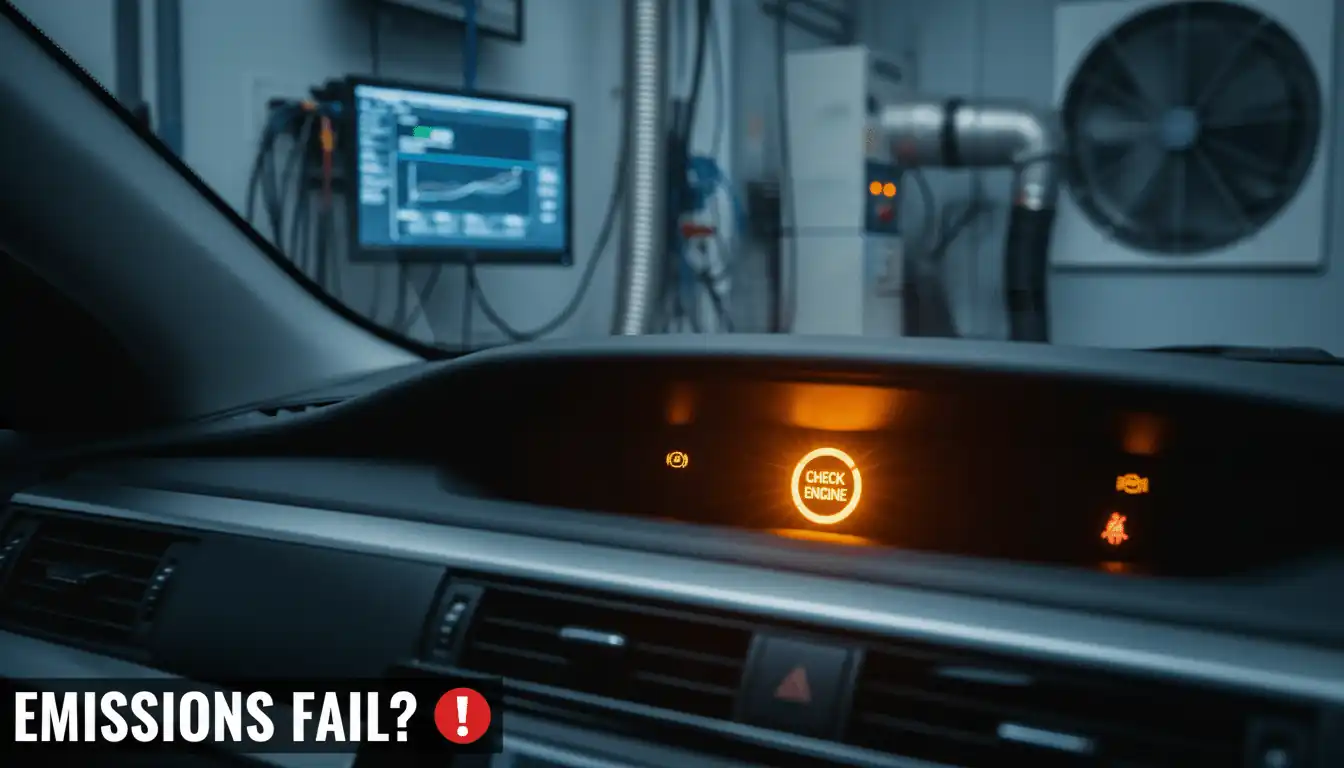
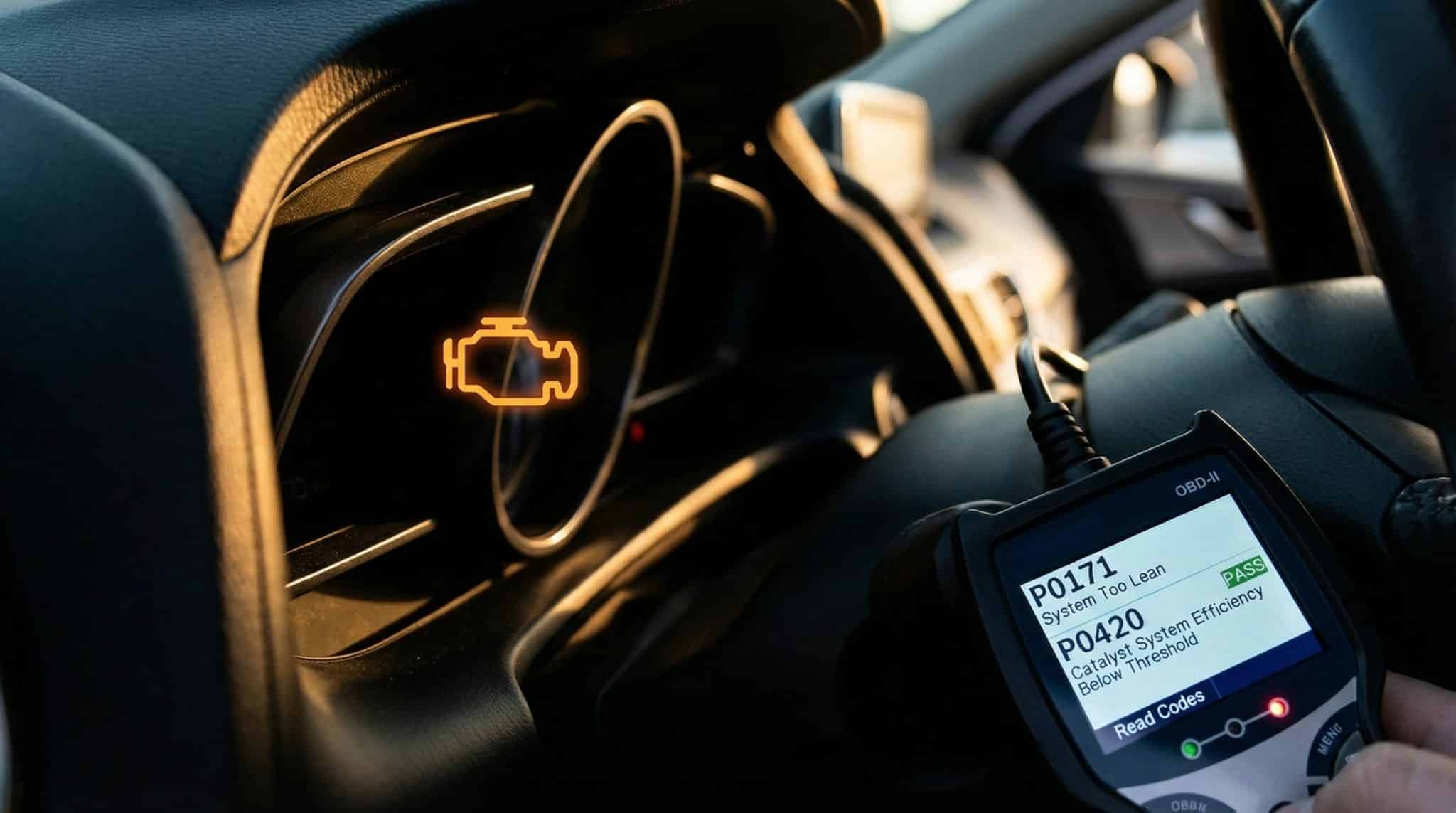
- Loose gas cap: A damaged or poorly sealed gas cap allows fuel vapors to escape, triggering strong odors and sometimes dashboard warning lights while driving.
- Fuel line leak: Cracks or wear in fuel lines can release liquid fuel or vapors, creating noticeable smells and increasing fire risk during operation.
- Faulty fuel injectors: Injectors that leak or stick may spray excess fuel, leading to rich mixtures, poor mileage, and persistent gasoline smells inside.
- EVAP system failure: Problems with the evaporative emissions system can trap or release fuel vapors improperly, causing odors without visible leaks around vehicles.
- Overfilled fuel tank: Topping off past the pump click can flood charcoal canisters, forcing raw fuel vapors back into the car interior area.
Addressing these issues early improves safety, protects engine parts, and reduces fumes, making inspections essential whenever fuel odors appear unexpectedly or linger longer than usual.
Why Does My Car Smell Like Gas After Driving?

A gas smell after driving often points to fuel-related issues that become noticeable once the engine is warm.
Heat can cause fuel vapors to expand, making leaks or weak seals easier to detect. Common causes include leaking fuel lines, worn injector seals, or a faulty gas cap that fails to hold pressure.
Problems in the evaporative emissions system can also allow fuel vapors to escape after the car is turned off.
In some cases, spilled fuel during refueling may cling to components and release odors after a drive. Ignoring these smells can be risky, as gasoline fumes are flammable and harmful to breathe.
A proper inspection helps locate the source, prevents safety hazards, and avoids more expensive repairs caused by continued fuel exposure over time.
When a Gasoline Smell Becomes a Safety Concern?
A gas smell becomes a safety concern when it is intense, persistent, or noticeable inside the vehicle cabin.
Gasoline fumes are highly flammable and can ignite if they come into contact with heat, sparks, or electrical components.
Prolonged exposure to fuel vapors can also cause headaches, dizziness, and breathing discomfort.
If the smell appears while driving, after parking, or near the exhaust area, it may signal leaking fuel lines, damaged seals, or a failing emissions system.
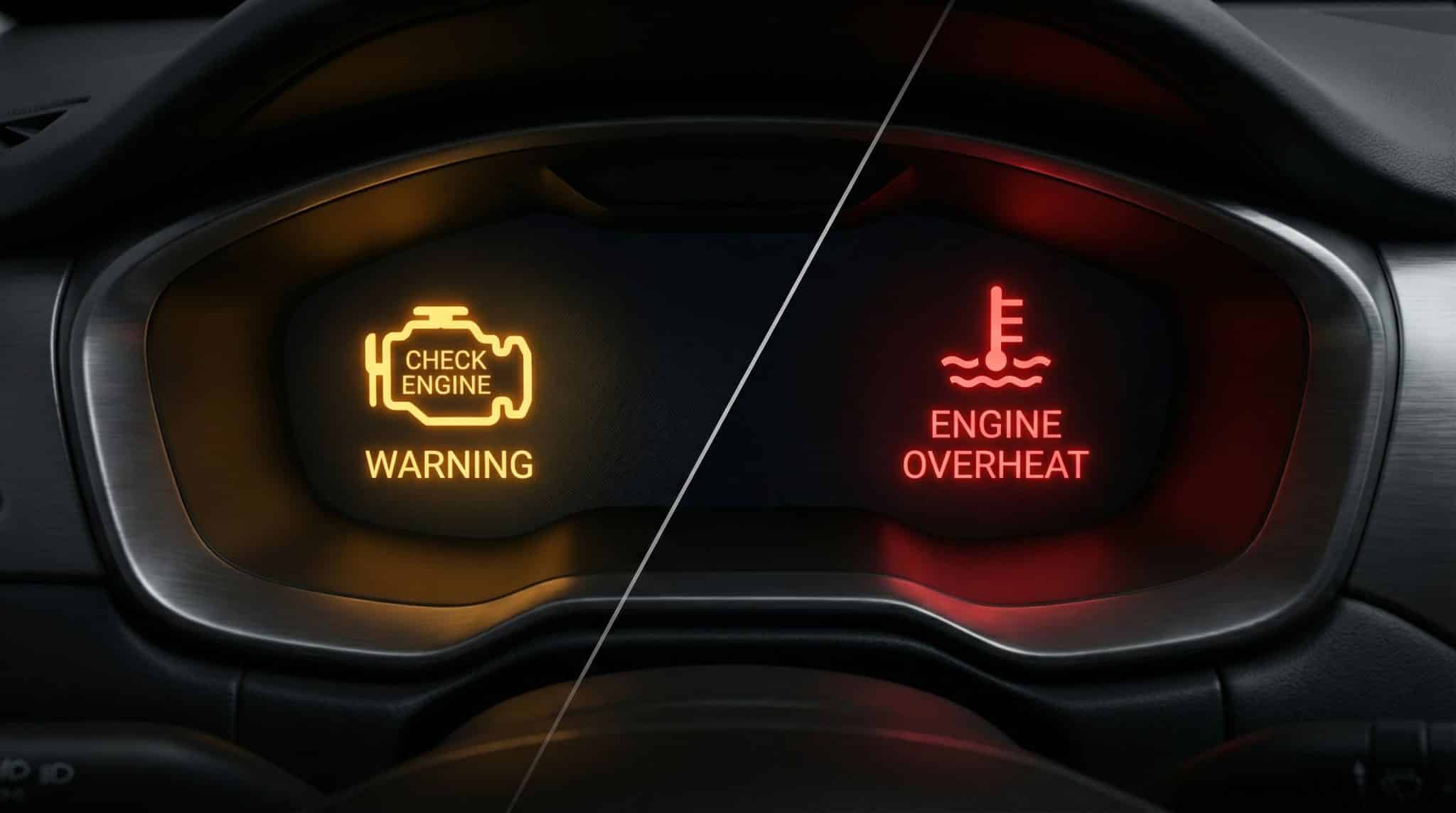
Visible fuel spots under the car or a sudden drop in fuel efficiency increase the risk further. Ignoring these signs can lead to fire hazards or engine damage.
Immediate inspection is recommended to protect occupants, prevent accidents, and ensure the vehicle remains safe for everyday driving conditions.
How to Fix a Car That Smells Like Gasoline?
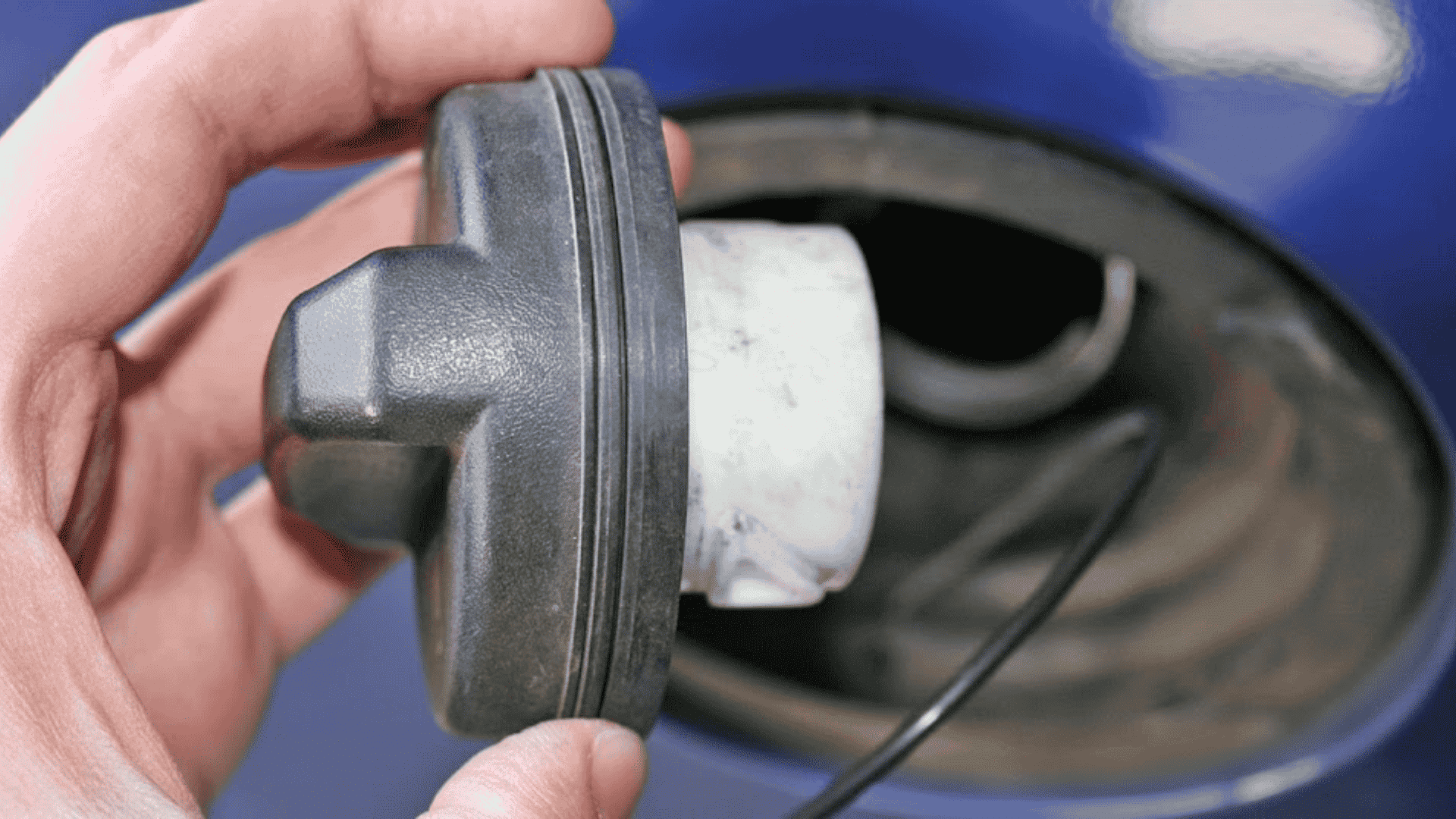
Fixing a car that smells like gas starts with identifying the source of the odor. The gas cap should be checked first, since a loose or damaged cap often allows fuel vapors to escape.
Next, fuel lines, injectors, and seals should be inspected for cracks, leaks, or wear.
The evaporative emissions system also needs attention, as faulty valves or a saturated charcoal canister can release fumes.
Any spilled fuel around the tank or engine should be cleaned thoroughly. If the smell appears after driving, heat-related expansion may reveal hidden leaks.
Because gasoline fumes are flammable, repairs should not be delayed. A professional inspection is recommended when leaks are suspected, warning lights appear, or the odor persists despite basic checks.
Timely action improves safety, protects engine parts, and prevents costly damage caused by ongoing fuel exposure.
Preventing Gas Smells in Your Car
Regular maintenance and mindful driving habits help reduce fuel odors, improve safety, and prevent costly repairs caused by unnoticed fuel system issues over time.
- Tighten the gas cap properly: Always secure the gas cap until it clicks to prevent fuel vapors from escaping and triggering odors or warning lights.
- Avoid overfilling the fuel tank: Stop pumping once the nozzle clicks off to protect the EVAP system and prevent fuel from entering vapor control components.
- Inspect fuel lines regularly: Check for cracks, corrosion, or damp spots along fuel lines that may leak fuel or release vapors while driving.
- Schedule routine vehicle inspections: Regular professional inspections help catch worn seals, injectors, or EVAP issues before fuel smells become noticeable.
- Clean fuel spills immediately: Wipe away any spilled gasoline around the tank or engine area to prevent lingering odors after driving.
Conclusion
Noticing a fuel smell is never something I ignore because it often points to issues that affect safety and performance.
Throughout this guide, I focused on common causes, warning signs, and practical fixes that help prevent bigger problems.
When I ask myself, Why does my car smell like gas, I now know it could be something simple or a sign to act fast.
Paying attention, checking small parts, and scheduling inspections make a real difference. Gas odors do not fix themselves, and delaying action can increase risks and repair costs.
Staying informed helps me drive with more confidence and fewer surprises.
If this guide helped clarify things or raised new questions, share your thoughts below.
Drop a comment, tell your experience, or ask what to check next today.
Frequently Asked Questions
Can a Gas Smell Make You Sick?
Yes, breathing gasoline fumes can cause headaches, dizziness, nausea, and breathing discomfort, especially with prolonged exposure or strong odors inside the vehicle.
How Much Does It Cost to Fix a Gas Leak?
Repair costs vary widely, ranging from simple gas cap replacements to expensive fuel line or injector repairs, depending on leak location and labor required.
Can I Drive My Car If It Smells Like Gas?
Driving is not recommended, as fuel smells may signal leaks that increase fire risk and health concerns, making inspection necessary before continued use.