

I still remember the first time my steering wheel started shaking on the highway. I was going about 65, and the wheel had a faint tremble.
At first, I thought it was just the road.
A few miles later, the shaking got worse, and I knew something was off.
If you’ve felt that same uneasy vibration in your hands, you’re in the right place.
In this guide, I’ll explain the most common reasons your steering wheel shakes at high speeds. I’ll cover mechanical issues like tire balance, wheel alignment, brake problems, and more.
I’ll also share how to narrow down the cause and what steps to take. By the end, you’ll know exactly what could be behind the shaking and how to address it.
What Steering Wheel Shaking Really Means

When your steering wheel shakes, it means a rotating part, like tires, wheels, brakes, or steering components, is out of balance, bent, loose, or worn.
The vibration travels through the steering system and into your hands, signaling that something isn’t working as it should.
This isn’t just an annoyance.
A shaking wheel can reduce tire grip, increase stopping distances, and make the car less stable during quick lane changes or emergency maneuvers.
If the brakes are involved, the issue can cause heat spots or fade, lowering braking power. Constant vibration can also wear out suspension parts, wheel bearings, or tires much faster.
In severe cases, the shaking can worsen quickly and make the car harder to control. Fixing it early keeps you safer and avoids bigger repairs.
Common Reasons Your Steering Wheel Shakes at High Speeds
If your steering wheel shakes at highway speeds, something is out of balance, worn, or damaged. Some causes are quick fixes, while others require professional repairs.
Understanding the most common culprits can help you narrow down the problem quickly and avoid more expensive issues later.
Tire Balance Problems
When a tire is unbalanced, one section is heavier than the rest. At higher speeds, that uneven weight spins awkwardly, creating vibrations that travel through the steering wheel.
This can happen if a wheel weight falls off, the tire wasn’t balanced after installation, or the tread has worn unevenly.
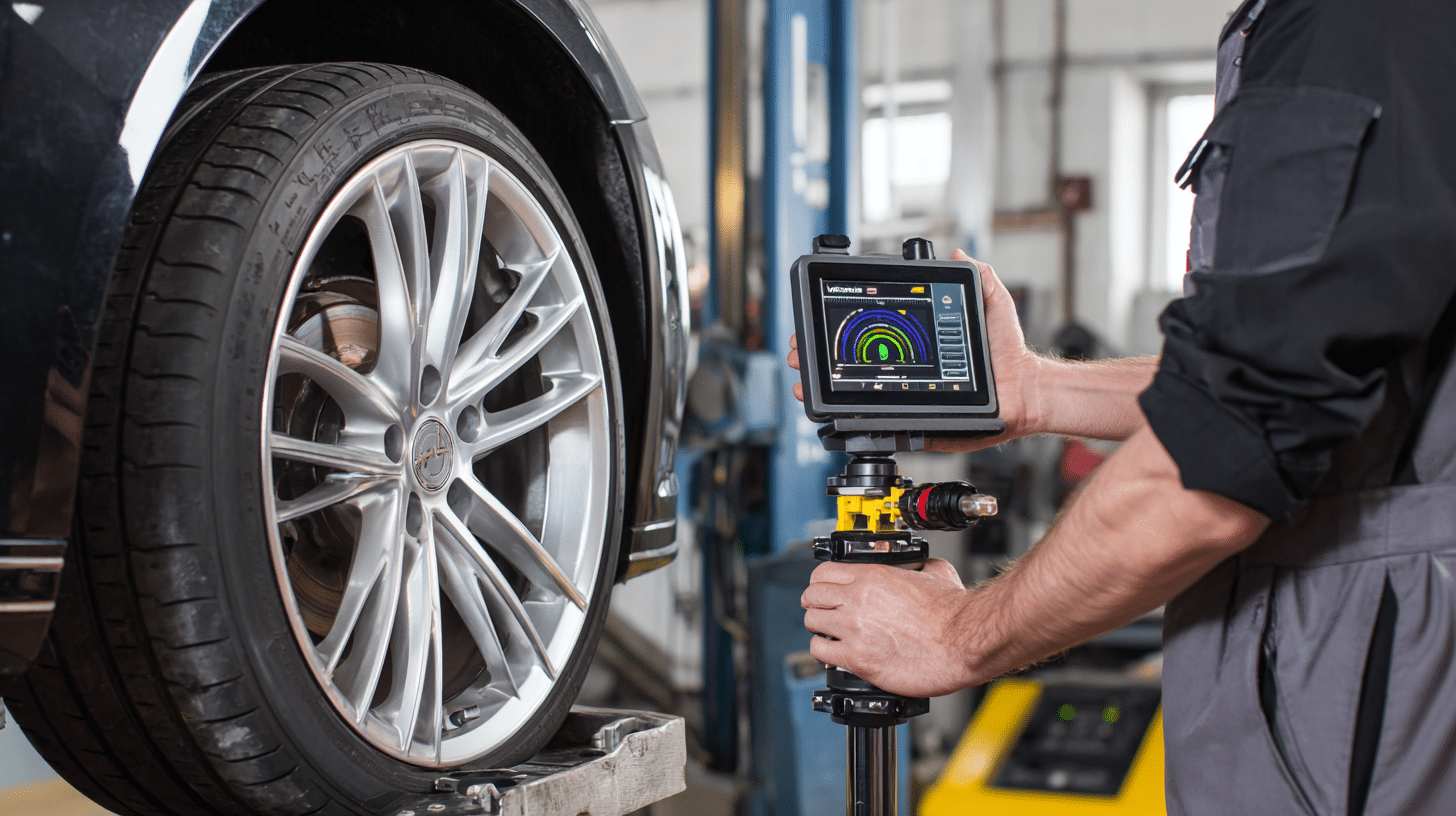
A shop can fix this quickly by mounting the wheel on a balancing machine, finding the heavy spots, and attaching small weights.
Once balanced, the shaking often stops immediately, restoring smooth and comfortable driving.
Wheel Alignment Issues
Poor alignment occurs when wheels aren’t pointing in the exact same direction, causing them to push against each other slightly. This puts extra stress on tires and suspension parts, often leading to vibrations at certain speeds.
Alignment can be thrown off by hitting a large pothole, clipping a curb, or driving on rough roads for extended periods.
If your car pulls to one side or the steering wheel isn’t centered, alignment should be checked. Correcting it stops shaking, improves stability, and helps tires last longer.
Tire Damage or Wear
Even balanced and aligned tires can cause shaking if they’re damaged or badly worn.
Common issues include flat spots from hard braking or long parking periods, sidewall bulges from curb or pothole impacts, broken internal belts, and severely worn tread.
These problems can quickly worsen, making vibrations more noticeable and potentially dangerous. I once ignored a bulge in my tire, only to find the inner structure damaged later.
Inspecting your tires regularly can catch these issues early, preventing bigger repairs and keeping you safer on the road.
Brake Problems
Brake-related shaking usually happens during braking, but certain problems can affect high-speed driving, too. Warped rotors are a common culprit, creating uneven contact between the brake pads and rotor surface.
This uneven grip sends vibrations through the steering wheel, especially when braking from highway speeds. A sticking caliper or uneven brake pad wear can cause similar symptoms.
If shaking worsens while braking, have your brakes inspected promptly. Addressing rotor or caliper issues early improves stopping performance and helps prevent damage to other parts of the braking system.
Suspension and Steering Wear
Parts connecting your wheels to the steering system, such as ball joints, tie rod ends, control arm bushings, and wheel bearings, wear down over time.
When they loosen or fail, they can’t hold the wheels steady at speed, creating vibrations and sometimes a loose, clunky steering feel.
I once had a worn wheel bearing that caused both noise and shaking, worsening until I replaced it.
Because worn suspension or steering components can quickly lead to unsafe handling, it’s important to have them inspected at the first signs of trouble.
Axle or Driveshaft Damage
A bent axle or driveshaft can cause strong vibrations once you reach highway speeds. This damage often results from a small accident, hitting a curb hard, or driving over rough terrain.
Even a slight bend is enough to create shaking that worsens with speed, sometimes making mirrors blur. A mechanic can inspect for bends and recommend repair or replacement.
Addressing this problem quickly not only improves comfort but also prevents further wear on your drivetrain, keeping your vehicle operating safely and smoothly.
Steering wheel shaking is never normal. From tire balance issues to drivetrain damage, each cause can affect safety, comfort, and long-term vehicle health.
Pay attention to when the shaking happens, get it checked early, and you’ll avoid bigger repairs while keeping your car safe to drive.
How to Narrow Down the Cause

Figuring out why your steering wheel shakes doesn’t have to be a guessing game. Noticing the exact speed, driving conditions, and symptoms can help you pinpoint the problem faster and avoid unnecessary repairs.
Ask yourself:
- Does it only happen above a certain speed?
- Does it get worse when braking?
- Does turning the wheel make it better or worse?
- Do you hear any noises along with the shaking?
From there:
- Check tire pressure and look for visible damage.
- Rotate and balance your tires if it’s been a while.
- Get an alignment if you notice uneven steering or pulling.
- Inspect the brakes if the shaking shows up during braking.
- See a mechanic if you suspect suspension, bearings, or axles.
Safety Risks of Ignoring the Problem
A shaking steering wheel isn’t just uncomfortable; it’s your car telling you something is wrong. Ignoring it can lead to safety hazards and higher repair costs over time.
- Uneven tire wear, forcing earlier and more expensive replacements.
- Suspension components are weakening from constant vibration and stress.
- Reduced steering accuracy, increasing the risk of losing control at high speeds.
- Longer stopping distances if brake parts are worn or damaged.
- Potential for small mechanical problems to escalate into major failures.
By acting quickly, you protect both your safety and your wallet. Addressing the cause early helps maintain smooth handling, preserves key components, and ensures your car stays reliable for everyday driving and long trips alike.
Prevention Tips to Avoid Steering Wheel Shaking
Preventing steering wheel shake is often easier and cheaper than fixing it after the fact.
Regular maintenance keeps your tires, brakes, and suspension in good condition, reducing the risk of vibration while driving.
- Rotate tires every 5,000–7,000 miles to ensure even tread wear.
- Check tire pressure at least once a month to maintain proper balance and grip.
- Schedule alignment checks yearly or after hitting a pothole or curb.
- Inspect brakes before long trips or if you notice changes in stopping performance.
- Pay attention to new noises or slight steering changes before they get worse.
Following these habits helps keep your ride smooth, improves safety, and extends the life of key components on your vehicle.
Conclusion
When your steering wheel shakes at high speeds, it’s always a sign that something needs attention.
It might be a simple fix like balancing the tires, or it could point to more serious problems, such as suspension wear, brake issues, or drivetrain damage.
We’ve gone through the most common causes, the symptoms to watch for, and the steps you can take to narrow down the problem.
You also know when it’s best to handle it yourself and when to involve a mechanic.
By acting early, you can prevent costly repairs, maintain safe handling, and enjoy a smoother ride.
Now you’re ready to address the issue with confidence and keep your vehicle safe for every trip ahead.