
You’re driving along, and suddenly your car starts pulling to one side. Or maybe your tires are wearing out faster than expected.
These small problems might not seem like a big deal, but they often point to one thing: your wheel alignment is off.
When your wheels aren’t aligned properly, it affects how your car drives, how long your tires last, and even how safe you are on the road.
In this guide, I’ll walk you through some important signs that your car might need a wheel alignment. I’ll help you spot the clues early so you can avoid bigger issues later.
This is what I’ll cover:
- What wheel alignment is
- Common signs to look for
- What causes alignment issues
Let’s get into what you came here to find.
What is a Wheel Alignment, and Why Does It Matter?
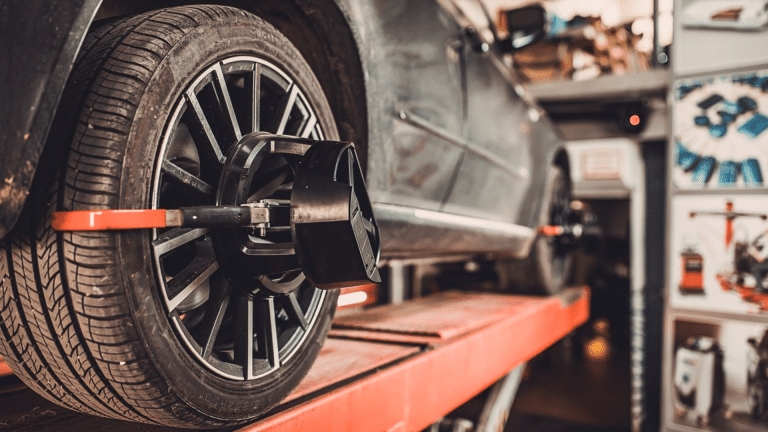
When I say “wheel alignment,” I’m talking about adjusting the angles of your car’s wheels so they line up the right way.
Over time, bumps, potholes, and daily driving can knock things out of place. When that happens, your car might pull to one side, your tires can wear unevenly, and your steering may feel off.
Proper alignment helps your car drive straight, makes steering feel smoother, and helps your tires last longer.
It also means your engine doesn’t have to work as hard, which can help save you money on gas. Staying aligned also keeps you safer, especially when driving at higher speeds or in bad weather.
If you’ve noticed your car handling differently, it might be time for a check. Good alignment isn’t just about comfort; it’s about saving money and staying safe.
Wheel Alignment Symptoms to Watch For
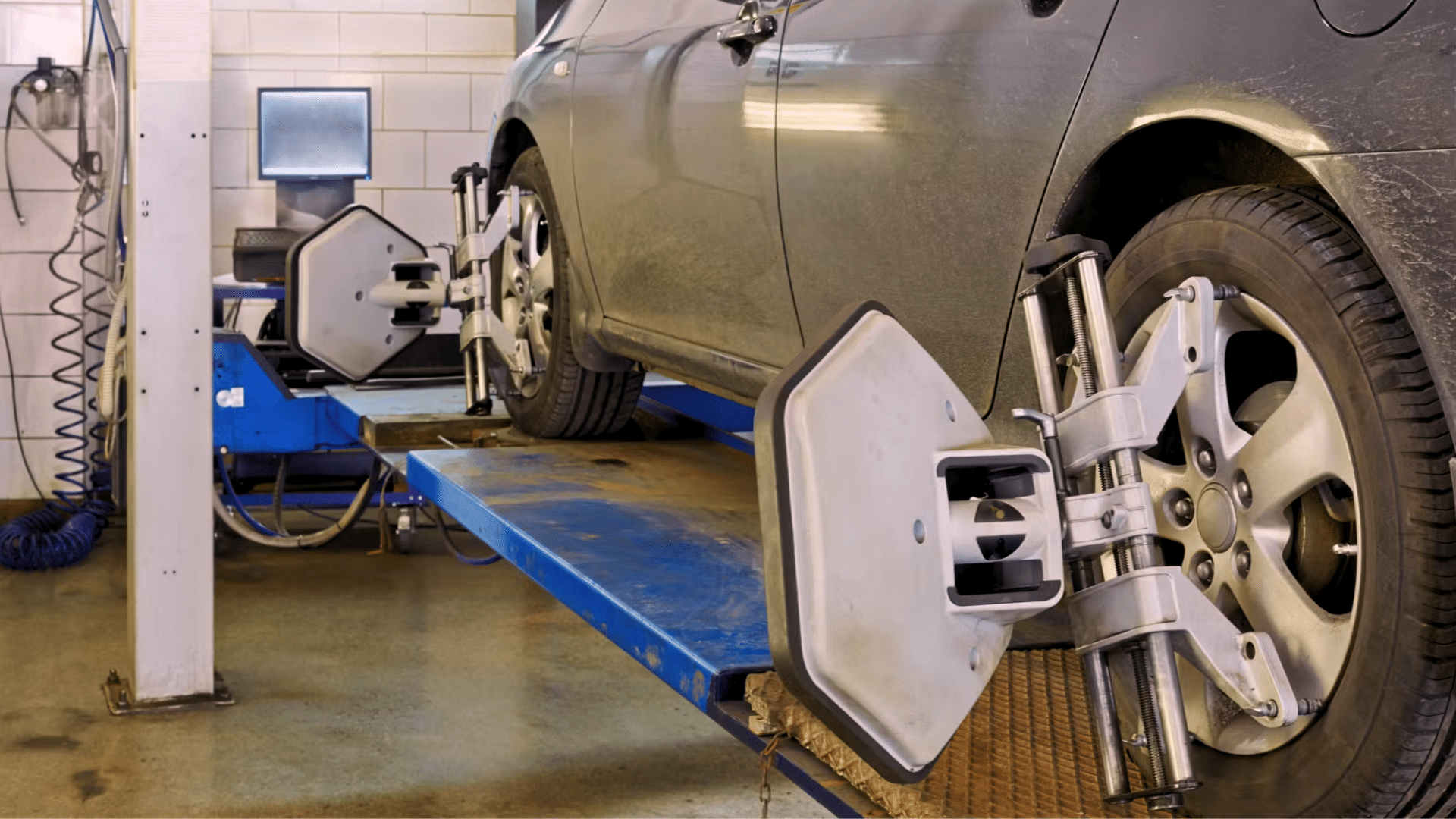
If your car doesn’t feel right while driving, poor wheel alignment might be the cause. These symptoms are easy to miss at first, but they can lead to bigger issues over time.
1. The Car Pulls to One Side
If you’re driving straight but your car keeps drifting left or right, there’s likely an issue with your wheel alignment.
You might constantly adjust the steering to stay in your lane. It’s not just annoying; it puts extra stress on your tires and suspension over time.
Ignoring this can lead to uneven tire wear and unsafe handling. Getting your alignment checked and fixed helps your car stay steady, safe, and much easier to drive on all types of roads.
2. Uneven Tire Wear
When you check your tires and see one side more worn down than the other, alignment might be the cause. Misaligned wheels don’t press evenly on the road, causing one part of the tire to wear out faster.
This uneven wear shortens your tire’s lifespan and affects traction.
You’ll end up replacing your tires sooner than expected. Getting regular alignment checks can help your tires wear evenly and save you money in the long run.
3. The Steering Wheel Isn’t Centered
If your steering wheel isn’t straight when you’re driving on a level road, it’s a sign that your alignment could be off. You may think it’s just a minor annoyance, but it actually means your wheels aren’t pointing where they should be.
Over time, this misalignment can affect how your car handles and cause your tires to wear unevenly. A proper alignment keeps your steering wheel centered and your car tracking straight.
4. Loose or Unsteady Steering
When your steering wheel feels loose, unsteady, or overly sensitive, alignment could be the issue.
Misalignment affects how your wheels respond to steering, and that can make your car feel unstable, especially at higher speeds. It may seem like your steering is delayed or that the car wanders slightly.
If left unchecked, it can put stress on your suspension and tires. Getting an alignment helps your steering feel firm, responsive, and easier to control.
5. Steering Wheel Vibrations
Vibrations in the steering wheel, especially when driving at certain speeds, can be a sign of misalignment or uneven tire wear.
You might feel a shaking sensation through the wheel, which is not normal on a smooth road. These vibrations come from the wheels not moving together the way they should.
Over time, it can cause more damage to your tires and suspension. Fixing your alignment often gets rid of the vibration quickly and safely.
6. Squealing Tires when Turning
If your tires squeal when you make normal turns, alignment could be the reason. Misaligned wheels don’t follow the proper path, and that puts more sideways pressure on the tires during turns.
That extra pressure causes a squealing noise and wears the tires out faster. Even if the car seems fine otherwise, this sound is worth checking out.
A simple alignment correction can stop the squealing and make your turns feel smoother.
7. The Steering Wheel is Slow to return
After you turn a corner, your steering wheel should naturally move back to the center. If it’s slow to return or needs help from you, that’s often a sign of misaligned wheels.
Proper alignment helps the steering system reset smoothly after a turn.
When the wheels aren’t angled right, it can feel like the car wants to keep turning. Fixing alignment helps the steering respond better and improves overall control.
8. Increased Fuel Use
When your wheels are out of alignment, your engine has to work harder to keep the car moving straight.
This adds drag and resistance, which lowers fuel efficiency. If you’ve noticed you’re filling up more often, alignment could be part of the reason.
It may not seem like much at first, but over time, poor alignment can waste a lot of gas. A quick fix can help you get better mileage and reduce strain on your vehicle.
9. The Vehicle Feels Unstable at High Speeds
If your car starts to feel floaty, shaky, or just unstable on the highway, misalignment could be the cause. Properly aligned wheels keep your vehicle steady, especially when you’re driving fast.
When they’re off, your car can start to sway or feel unpredictable. This makes it harder to drive safely and increases the risk of losing control.
Checking your alignment can bring back the solid, stable feel your car should have at any speed.
10. Noisy Tires While Driving Straight
Tires should roll quietly when you’re driving on a smooth, straight road. If they start making buzzing or humming sounds, especially when you’re not turning, alignment could be the problem.
Misalignment can cause uneven pressure on the tire tread, which leads to noise.
It can also be a sign that your tires are wearing out in certain spots. Fixing the alignment helps even things out and quiets the ride.
11. You’ve Hit a Curb or Pothole Recently
Even if your car seems fine after a sudden jolt, like hitting a pothole or curb, it’s smart to check the alignment. Hard impacts can knock your wheels out of position without showing signs right away.
Problems like tire wear, pulling, or steering changes can show up later.
If you’ve had a big bump or rough ride, a quick alignment check now can prevent more serious and costly problems down the road.
How Much Does a Wheel Alignment Cost?
A standard wheel alignment costs between $75 and $150, depending on your vehicle and where you go.
A basic front-end alignment usually costs less, while a 4-wheel alignment or service for a luxury or specialty car may be on the higher end, or even a bit more.
Some tire shops offer free alignment checks or even throw in an alignment if you buy a complete set of tires, so it’s worth asking before you pay. Though it costs now, it can save you money later.
Misaligned wheels can cause your tires to wear out faster and affect steering and fuel use.
That means skipping an alignment today could lead to buying new tires or fixing suspension problems sooner than expected.
What Causes Wheel Alignment Problems?
Wheel alignment can get thrown off over time, even if you drive carefully. It doesn’t always take a big hit; everyday driving on rough roads or worn parts can slowly affect it. These are some of the most common reasons:
- Hitting potholes or curbs: Even one hard bump can mess up your alignment.
- Driving on rough or uneven roads: Over time, this wears down parts and shifts wheel angles.
- Getting into an accident: A crash, even a small one, can bend or damage alignment parts.
- Worn suspension parts: As these wear out, they stop holding your wheels in the right place.
- Replacing tires without checking alignment: New tires can hide alignment issues, leading to uneven wear if not checked.
How Often Should You Check Your Wheel Alignment?
As a general rule, you should check your wheel alignment once a year or every 10,000 miles, whichever comes first.
But there are times when it’s a good idea to check sooner. For example, if you’ve hit a big pothole, bumped a curb, or gone over a speed bump too hard, your alignment can shift without you even noticing.
You should also check if you see uneven tire wear, your car starts pulling to one side, or you’ve recently had suspension or steering parts replaced.
These are all signs that something may be off. If you regularly drive on rough roads or unpaved areas, it’s smart to check more often.
Staying on top of alignment isn’t just about smooth driving; it helps extend the life of your tires, improves fuel efficiency, and keeps your car safer on the road.
Conclusion
It’s easy to overlook wheel alignment, but it plays a big role in how your car handles, how long your tires last, and how safe you are on the road.
I’ve seen how small alignment issues can turn into bigger problems if they’re ignored.
That’s why it’s important to stay alert. If your car pulls to one side, your tires wear unevenly, or the steering feels off, get it checked. It doesn’t take long, and it can save you money down the road.
Good alignment means smoother driving and fewer surprises later. If you’re not sure, ask your mechanic to take a look.
It’s better to be safe than wait for a tire to wear out too soon or for your steering to get worse.